

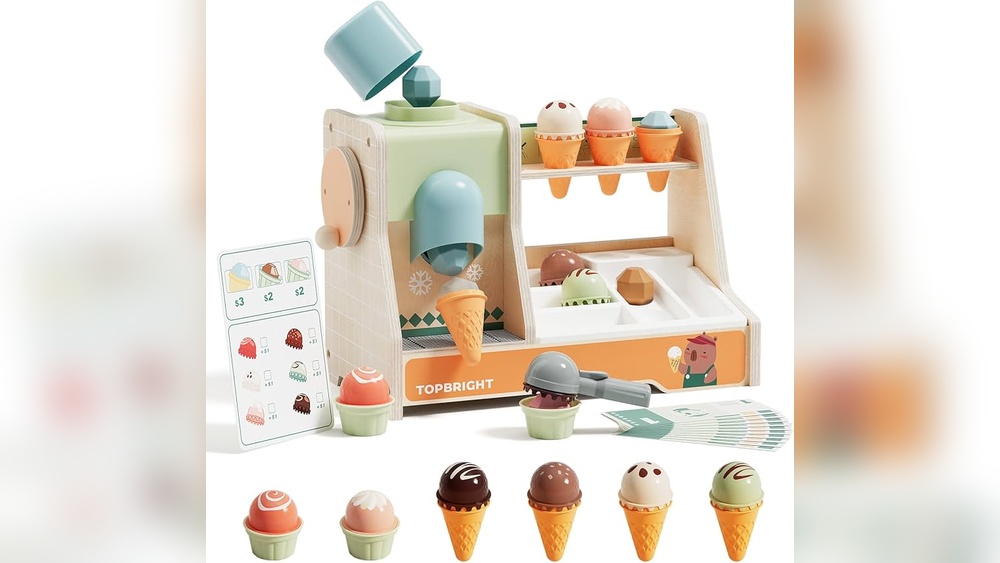
Have you ever wondered why your child can spend hours lost in a world of make-believe with just a simple toy? Pretend play toys do more than just entertain—they unlock creativity, build confidence, and help kids understand the world around them.
When your child dives into pretend play, they aren’t just playing; they are learning important skills that last a lifetime. Keep reading to discover the surprising reasons why these toys hold such a special place in your child’s heart—and how they can benefit your family too.
Credit: www.walmart.com
Role Of Imagination
Imagination plays a big part in why kids love pretend play toys. It helps them think beyond the real world. Through imagination, children create stories and adventures. They bring toys to life and enjoy endless fun. This mental play boosts creativity and problem-solving skills. It also helps kids understand the world and express feelings.
Creating New Worlds
Pretend play toys let kids build new places in their minds. They can turn a simple box into a spaceship or a castle. These new worlds offer freedom to explore ideas. Kids decide the rules and characters in their stories. This freedom makes play exciting and personal. It also encourages children to think in creative ways.
Exploring Different Roles
Kids enjoy pretending to be someone else. Toys help them act as doctors, chefs, or superheroes. Trying different roles teaches empathy and social skills. It helps children see life from other viewpoints. Role play also builds confidence in speaking and decision-making. This kind of play is fun and educational at the same time.

Credit: www.amazon.com
Benefits For Development
Pretend play toys offer many benefits for a child’s growth. These toys help children learn and develop important skills. Play becomes a fun way to build abilities needed in real life.
Children explore ideas and solve problems while playing. They also practice talking and working with others. These experiences shape their minds and prepare them for the future.
Enhancing Problem-solving Skills
Pretend play encourages kids to think and find solutions. They create stories and face challenges in their games. This helps them learn how to solve problems on their own.
Children try different ideas and make decisions. These actions improve their ability to think clearly and act wisely. Problem-solving skills grow stronger through imaginative play.
Boosting Social Interaction
Playing with others teaches children how to share and cooperate. Kids learn to listen, take turns, and express feelings. These social skills are important for making friends.
Group play also helps children understand different roles. They practice empathy and teamwork. Pretend play builds confidence in social settings.
Improving Language Abilities
Pretend play invites children to use new words and phrases. They talk about their ideas and stories. This practice helps expand their vocabulary and sentence skills.
Children also learn to communicate clearly and listen carefully. These language skills are key for success in school and life. Talking through play supports better understanding and expression.
Types Of Pretend Play Toys
Pretend play toys spark a child’s imagination and creativity. They help kids explore different roles and stories. These toys come in many forms. Each type encourages unique kinds of play. Here are some popular types of pretend play toys that kids love.
Dolls And Action Figures
Dolls and action figures let kids act out stories and adventures. They can create families, heroes, or fantasy worlds. These toys help children learn social skills. They practice empathy by caring for their dolls. Action figures often inspire heroic play and problem-solving.
Dress-up Costumes
Dress-up costumes allow kids to become anyone they want. They can be doctors, firefighters, or princesses. Wearing costumes helps children express themselves. It encourages role-playing and boosts confidence. Costumes also make pretend play more exciting and real.
Miniature Kitchens And Toolsets
Mini kitchens and toolsets mimic real-life objects. Kids enjoy copying adults while cooking or fixing things. These toys teach practical skills and creativity. They also improve hand-eye coordination. Playing with these sets makes everyday tasks fun and understandable.

Credit: www.walmart.com
Encouraging Creativity
Pretend play toys open up a world of imagination for kids. They help children think in new ways. These toys allow kids to create stories and solve problems. Creativity grows as kids explore different roles and ideas.
Playing with pretend toys helps children use their minds freely. It gives them space to try out new thoughts. This kind of play builds their confidence in thinking creatively.
Open-ended Play Options
Open-ended toys do not have one fixed way to play. Kids can use blocks, dolls, or kitchen sets in many ways. These toys let children decide the story and rules. Such freedom fuels their imagination and creative thinking.
Children enjoy making up their own games and scenarios. They can be a chef one day and a doctor the next. This variety keeps playtime exciting and fresh.
Combining Different Toys
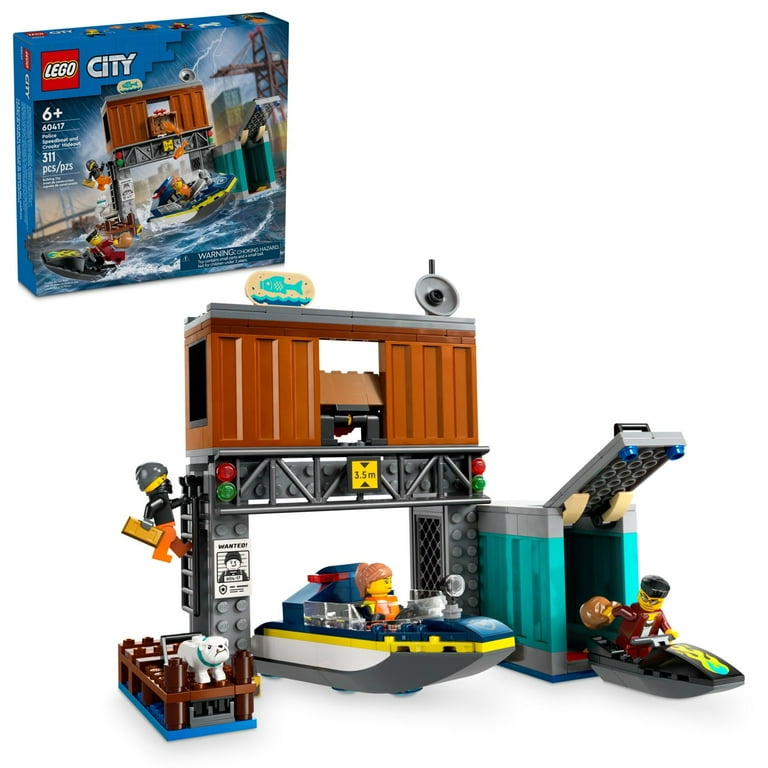
Mixing different pretend toys creates new play ideas. A toy car can become part of a city built with blocks. Dolls can go on adventures with action figures. This mix-and-match style encourages creative thinking.
Combining toys helps children see connections between objects. It also teaches them how to invent stories that link different characters. This boosts their imagination and problem-solving skills.
Emotional Expression
Pretend play toys help children express their emotions safely. These toys create a space where kids can show how they feel. Through play, children explore different feelings and learn to understand them better. This emotional expression is important for their growth and happiness.
Processing Feelings
Pretend play allows children to act out their feelings. They can show anger, joy, or fear in a safe way. Playing with dolls or action figures helps kids understand emotions. They learn to recognize feelings and find ways to cope. This helps reduce stress and confusion about their emotions.
Building Confidence
Using pretend play toys helps children feel more confident. They practice social roles and solve problems in play. This makes them feel strong and capable. Acting out different scenarios boosts their self-esteem. Confidence gained through play helps kids face real-life challenges.
Tips For Parents
Pretend play toys offer many benefits for children. They help kids learn, imagine, and grow. Parents can support this by choosing the right toys and setting up a good play space. Being part of playtime also makes a big difference. Here are some simple tips for parents to help kids enjoy pretend play toys more.
Choosing Age-appropriate Toys
Select toys that match your child’s age and skills. Toys too hard or too easy can cause frustration. Look for labels with age recommendations. Pick toys that encourage creativity and safe play. This helps children stay interested and have fun.
Creating A Play-friendly Environment
Make a space where your child feels free to play. Use soft mats or rugs for comfort. Keep toys within easy reach. Avoid clutter to prevent distractions. A quiet corner can help kids focus on their pretend games.
Joining In Playtime
Take part in your child’s pretend play. Follow their lead and ideas. Ask simple questions to boost their thinking. Show interest without taking control. Your involvement makes playtime more enjoyable and helps build your bond.
Frequently Asked Questions
What Benefits Do Kids Get From Pretend Play Toys?
Pretend play toys boost creativity, problem-solving, and social skills. They help children express emotions and develop language. These toys encourage imagination, making learning fun and engaging. Overall, pretend play supports cognitive and emotional growth in kids.
Why Do Children Prefer Pretend Play Over Other Toys?
Children enjoy pretend play because it lets them explore different roles and scenarios. It offers freedom to create stories and solve problems. This type of play feels more interactive and personal, making it more exciting than passive toys.
How Does Pretend Play Improve Social Skills In Kids?
Pretend play encourages kids to cooperate, share, and communicate effectively. It helps them understand others’ feelings and perspectives. Role-playing builds empathy and teamwork, essential for healthy social development. This practice prepares children for real-life social interactions.
Are Pretend Play Toys Suitable For All Age Groups?
Yes, pretend play toys are adaptable for various ages. Younger children enjoy simple role-play, while older kids engage in complex scenarios. These toys grow with the child, supporting continuous development of imagination and skills across age groups.
Conclusion
Pretend play toys spark kids’ creativity and joy. They help children explore new ideas and feelings. Playing pretend also builds important social skills. Kids learn to share, solve problems, and imagine different roles. These toys keep playtime fun and meaningful.
They encourage learning without feeling like work. That’s why kids naturally love pretend play toys. They open doors to endless fun and growth. Every child benefits from a chance to imagine and create. Pretend play toys make childhood brighter and more exciting.
