

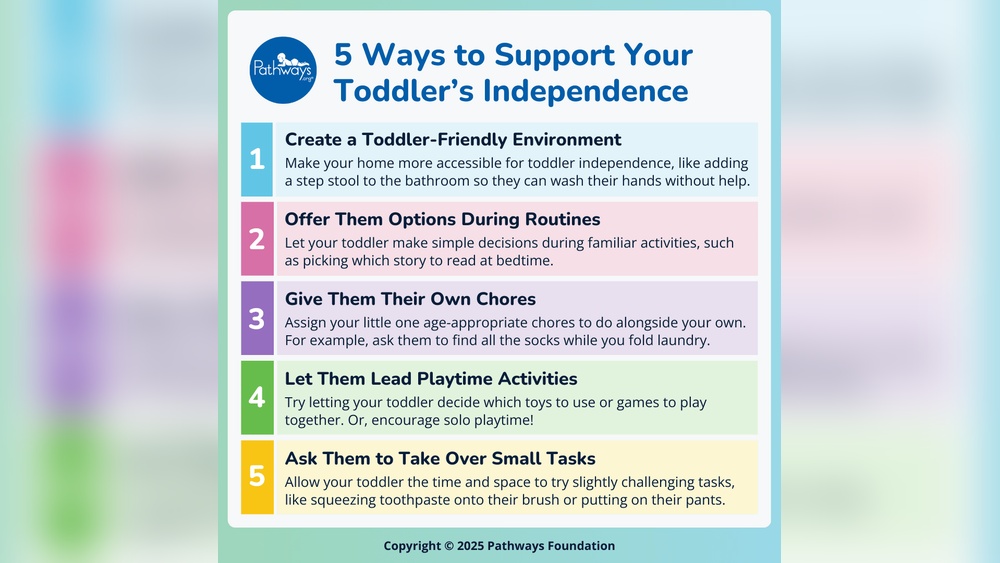
Have you ever wondered how something as simple as a toy can shape your toddler’s confidence and independence? The right toys do more than just entertain—they help your little one learn new skills, make decisions, and explore the world on their own.
Imagine watching your child solve problems, create stories, and take pride in their achievements, all while playing. You’ll discover how toys can become powerful tools that boost your toddler’s independence every day. Keep reading to find out which toys make the biggest difference and how you can support your child’s growth through play.
Credit: chapter1daycare.com
Role Of Toys In Toddler Development
Toys play a big role in toddler development. They help children learn about the world around them. Through play, toddlers gain confidence and start doing things on their own.
Toys also support key skills that toddlers need. These skills help them grow and become more independent every day. Different types of toys encourage different kinds of learning and discovery.
Encouraging Exploration And Curiosity
Toys spark a toddler’s desire to explore. Bright colors and interesting shapes invite children to touch and play. This builds curiosity and helps them understand new things.
Exploring toys allows toddlers to learn by themselves. This self-driven learning builds confidence and independence. It teaches them to try new activities without help.
Boosting Motor Skills
Playing with toys improves toddlers’ motor skills. Simple actions like stacking blocks or pushing buttons develop hand-eye coordination. These skills are important for everyday tasks.
Fine motor skills grow as toddlers handle small objects. Larger toys help improve balance and movement. Both types of play build physical strength and control.
Enhancing Problem-solving Abilities
Toys encourage toddlers to think and solve problems. Puzzles and shape sorters challenge their minds. This helps children learn how to find answers on their own.
Problem-solving during play teaches patience and focus. Toddlers learn to try different solutions and not give up. This builds independence and confidence in their abilities.
Credit: www.starshinemontessori.com
Types Of Toys That Promote Independence
Toys play a big role in helping toddlers learn to do things on their own. Choosing the right toys can encourage them to explore and solve problems by themselves. These toys help build confidence and decision-making skills.
Here are some types of toys that support independence in toddlers. Each type encourages different skills that help children grow more self-reliant.
Building And Stacking Toys
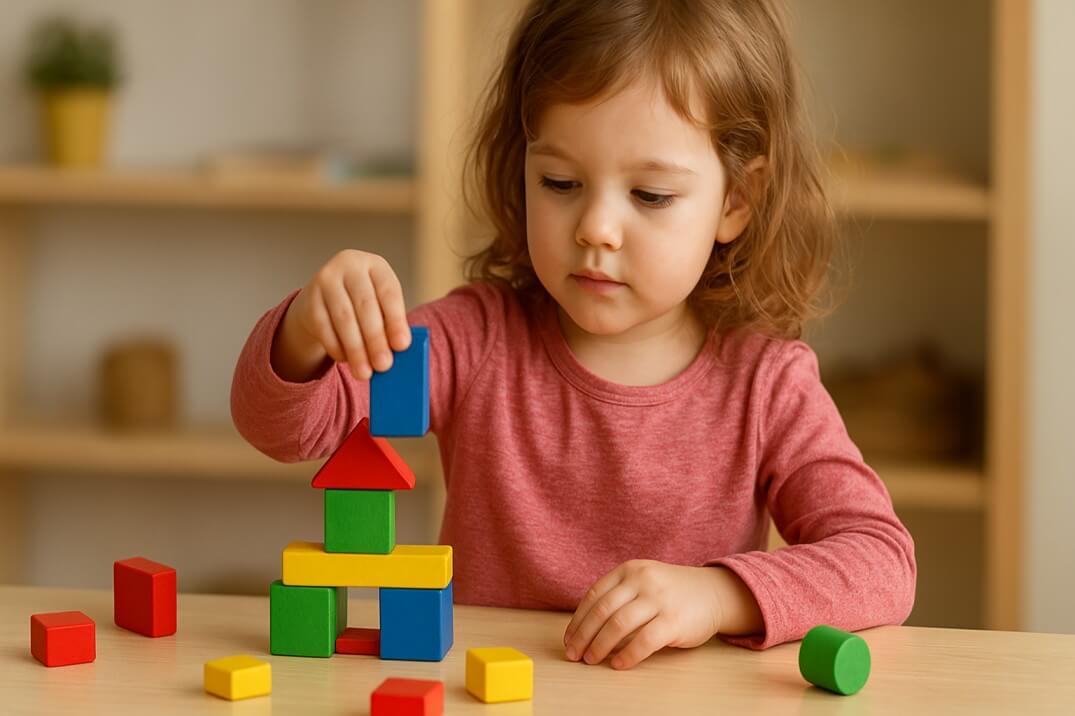
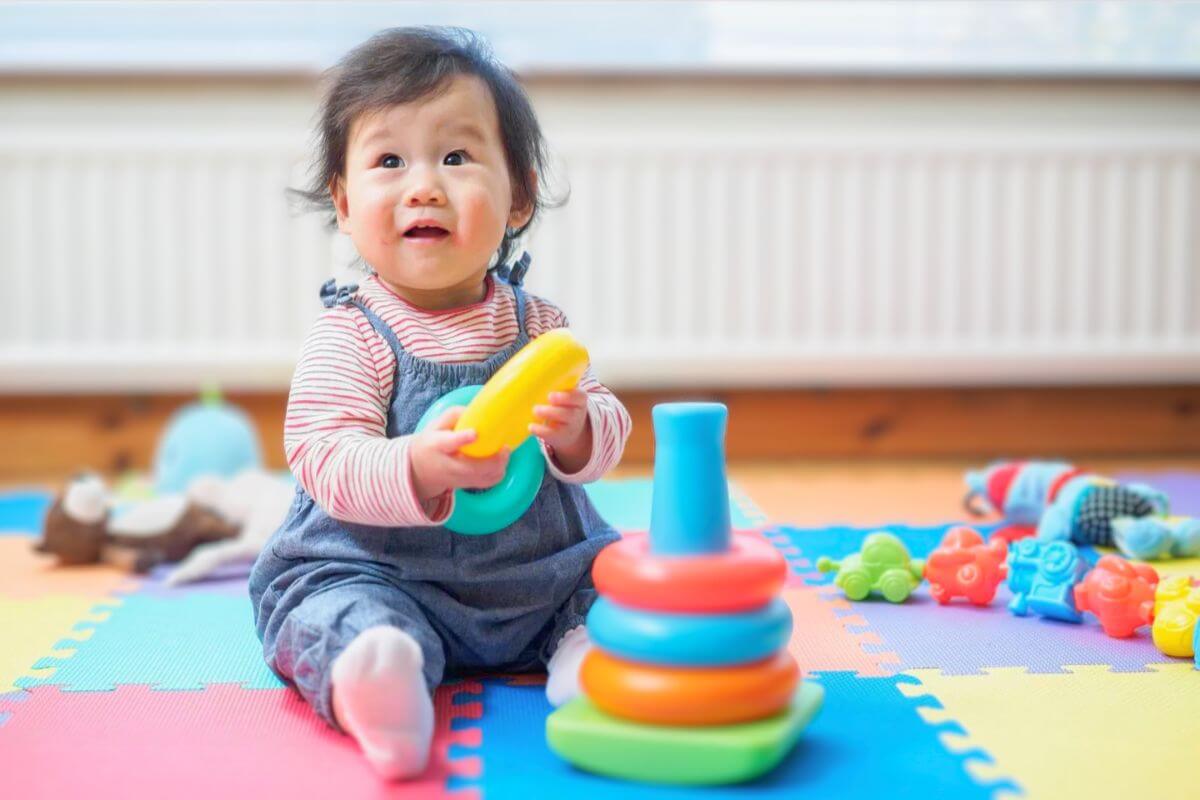
Building and stacking toys teach toddlers how to plan and create. They learn to balance pieces and make structures. This type of play improves hand-eye coordination and focus. It also encourages trial and error, which is key to learning independence.
Pretend Play Sets
Pretend play sets let toddlers use their imagination. They act out daily activities like cooking or caring for dolls. This helps them understand real-life tasks and practice decision-making. Pretend play boosts creativity and social skills too.
Puzzle And Sorting Games
Puzzles and sorting games challenge toddlers to match shapes, colors, or patterns. These toys improve problem-solving and logical thinking. They also teach patience and persistence. Toddlers feel proud when they complete a puzzle alone.
How Toys Foster Decision-making
Toys play a big role in helping toddlers make choices on their own. They create safe chances for kids to pick what they want to do. This practice builds confidence and helps toddlers learn to trust their own ideas. Through play, children start to understand consequences and develop skills to solve problems. Each toy can teach a new lesson about making decisions.
Choosing And Organizing Play
Toddlers decide which toys to play with. They learn to sort and arrange toys by color, size, or type. This simple act teaches them to make choices and plan their play. Organizing also helps kids feel in control. It shows them how to set goals and follow through.
Learning Cause And Effect
Many toys show cause and effect clearly. For example, pressing a button might make a sound. Toddlers learn that their actions have results. This understanding helps them think before acting. They begin to predict what will happen next. Toys provide clear feedback, helping kids learn fast.
Developing Patience And Persistence
Some toys need time and effort to work properly. Puzzles or building blocks teach toddlers to keep trying. They learn that success comes from patience and practice. This helps toddlers make better choices instead of giving up quickly. Persistence builds strong decision-making skills for life.
Encouraging Self-help Skills Through Play
Play is a powerful way for toddlers to learn self-help skills. It builds their confidence and independence. Through play, children practice tasks they will do on their own soon. Toys designed for daily activities guide toddlers step by step. These toys make learning fun and easy.
Self-help skills prepare toddlers for real-life challenges. They begin to understand routines and feel proud of their achievements. Play also improves hand-eye coordination and problem-solving. It teaches patience and focus in a gentle way.
Dressing And Fastening Toys
Toys with buttons, zippers, and snaps teach toddlers how to dress. These toys mimic real clothes and help practice fine motor skills. Children learn how to manage fasteners without help. This boosts their confidence in getting dressed alone.
Sorting and matching pieces improve hand control and coordination. Toddlers enjoy the challenge of fitting pieces together. Playing with dressing toys prepares them for daily routines.
Feeding And Caretaking Sets
Feeding sets let toddlers practice using spoons and cups. These toys encourage self-feeding and sharing. They also introduce routines like setting the table and cleaning up. Toddlers learn responsibility while playing with caretaking sets.
Role-playing with dolls or stuffed animals builds empathy. Children care for others and understand daily habits. These toys offer hands-on learning about personal care.
Tools For Everyday Tasks
Toys that mimic household tools teach practical skills. Children learn to sweep, dust, or organize their space. These activities promote independence and orderliness. Using small tools improves hand strength and coordination.
Playing with everyday tools helps toddlers feel helpful. It prepares them for simple chores and routines. These toys encourage a sense of responsibility early on.
Creating A Supportive Play Environment
Creating a supportive play environment helps toddlers grow independence. It gives them space to explore and learn safely. The right setup encourages self-confidence and decision-making. Toddlers feel free to try new things with easy access to toys. A calm and organized area reduces frustration and distractions. This way, playtime becomes a chance for discovery and skill-building.
Safe And Accessible Toy Storage
Store toys where toddlers can reach them easily. Low shelves or bins work well. Clear containers help children see what is inside. Safety matters. Avoid small parts or sharp edges. Organize toys by type to keep things simple. This setup lets toddlers pick and return toys by themselves. It builds responsibility and pride.
Balancing Guidance And Freedom
Offer help but allow room to explore. Watch quietly from nearby without interrupting. Step in only when needed for safety or support. Let toddlers make choices about what to play with. Encourage trying again after mistakes. This balance teaches problem-solving and independence. Trust grows as children learn from experience.
Incorporating Routine And Play
Set regular times for play each day. Predictable routines make toddlers feel secure. Mix free play with guided activities. Use playtime to practice daily skills like cleaning up. Consistent routines build habits and confidence. Toddlers learn to manage their time and choices. Play becomes a natural part of their day.

Credit: busytoddler.com
Frequently Asked Questions
How Do Toys Promote Toddler Independence?
Toys encourage toddlers to explore and learn on their own. They develop problem-solving skills and confidence. Independent play helps build decision-making and creativity, fostering self-reliance early on.
What Types Of Toys Support Toddler Independence?
Open-ended toys like blocks, puzzles, and art supplies are ideal. These toys allow toddlers to create and experiment freely, enhancing independence and cognitive skills through imaginative play.
At What Age Do Toys Help Build Independence?
Toys support independence starting around 12 months as toddlers begin exploring. Between 1 to 3 years, toys become crucial for developing motor skills, decision-making, and self-confidence through play.
How Can Parents Encourage Independent Play With Toys?
Parents should provide safe, age-appropriate toys and a distraction-free space. Encouraging toddlers to play alone for short periods boosts independence and problem-solving abilities gradually.
Conclusion
Toys give toddlers a chance to learn and grow on their own. They help kids try new things and solve small problems. Playing with toys builds confidence step by step. Toddlers enjoy making choices and feeling proud of their work.
This early independence supports their future learning and social skills. Choosing the right toys can make a big difference. Letting children explore through play helps them become more independent every day.
