

Have you ever wondered if your child has too many toys? It’s easy to think that more toys mean more fun and learning.
But too many can actually overwhelm your child and clutter your home. Finding the right balance can make a big difference in your child’s happiness and growth. You’ll discover how to spot when your child has reached the “too many” point and practical tips to keep playtime joyful and stress-free.
Keep reading to learn how to create a space where your child can truly thrive.

Credit: movethemess.com
Signs Of Toy Overload
Children with too many toys can show clear signs of toy overload. This happens when toys outnumber the space and time kids have to play. It can affect their play habits and even their mood. Recognizing these signs helps parents create a better play environment.
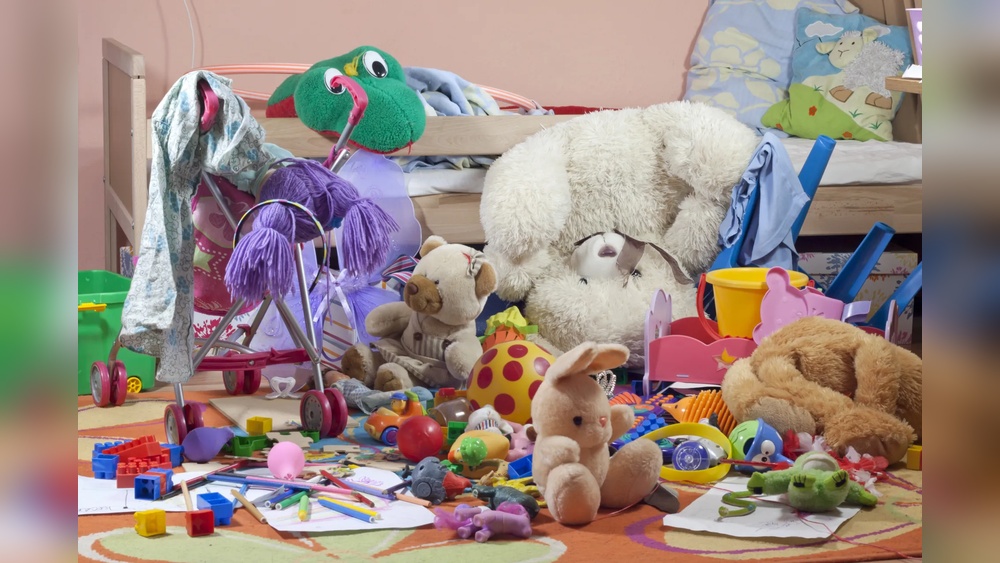
Cluttered Play Spaces
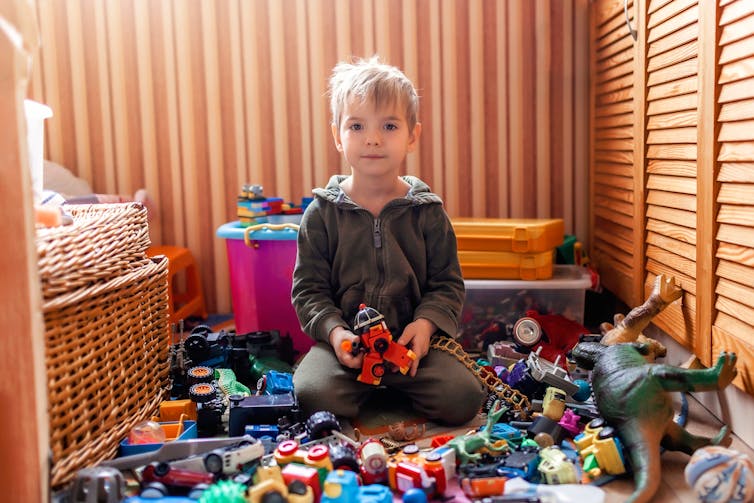
Toys scattered everywhere can make the play area messy. Kids might find it hard to move or focus. A cluttered space often means there are more toys than the child can handle. This can lead to stress for both children and parents.
Decreased Interest In Toys
Too many toys can make kids bored quickly. They might lose excitement for new or old toys. When toys feel like clutter, children don’t enjoy them. A smaller, well-chosen collection keeps playtime fun and fresh.
Difficulty Choosing What To Play With
Having many toys can confuse children. They may spend more time deciding than playing. This can cause frustration and less creativity. Fewer toys help kids focus and enjoy their play better.
Impact Of Excessive Toys
Toys are important for children’s growth and fun. Yet, having too many toys can cause problems. It can affect how kids think, focus, and value things around them. Understanding these effects helps parents choose wisely. Kids need just enough toys to play and learn well.
Reduced Creativity And Imagination
Too many toys can limit a child’s creativity. When kids have endless options, they often follow instructions on the box. They do not make up their own games or stories. This reduces their ability to imagine new ideas. Fewer toys encourage kids to use their minds more.
Shortened Attention Span
A large number of toys can distract children easily. Kids jump from one toy to another quickly. They do not focus on one activity for long. This breaks their ability to concentrate. Playing with fewer toys helps children build longer attention spans.
Increased Materialism
Having too many toys can teach children to want more things. They may start to believe happiness comes from owning many toys. This can affect their values and gratitude. Teaching kids to appreciate what they have is important. Less focus on toys helps children grow with good values.
Age And Developmental Considerations
Children’s toy needs change as they grow. Their age and development shape what toys suit them best. Too many toys can overwhelm a child or slow their growth. Choosing the right amount and type helps kids learn and enjoy playtime. Understanding each stage supports better toy decisions.
Toddlers And Sensory Play
Toddlers explore the world with their senses. Toys that feel, sound, and move attract their attention. Simple toys like blocks, textured balls, and rattles help develop touch and coordination. Too many toys can confuse toddlers and reduce focus. A few sensory toys encourage curiosity and learning.
Preschoolers And Imaginative Toys
Preschoolers love pretend play. Dolls, dress-up clothes, and toy kitchens spark imagination. These toys build creativity and social skills. Having too many toys can limit role-playing and sharing. A smaller collection helps children invent stories and practice emotions.
School-age Children And Educational Toys
School-age kids benefit from toys that challenge their minds. Puzzles, science kits, and building sets support problem-solving. Excess toys may distract or reduce concentration. A focused selection of educational toys promotes critical thinking and skill development.
Credit: theconversation.com
Strategies To Manage Toy Quantity
Managing the number of toys can help keep a child’s space neat and their mind focused. Too many toys can overwhelm kids and reduce their interest in playing. Using clear strategies makes it easier to control the toy count. These methods help children enjoy their toys more and keep their play areas tidy.
Rotating Toys
Rotating toys means giving children access to a few toys at a time. Keep some toys stored away and swap them regularly. This keeps playtime fresh and exciting. Kids often enjoy toys more when they see them as new again. Rotation also helps reduce clutter and makes cleaning easier.
Setting Limits With Clear Rules
Setting a clear limit on the number of toys helps children understand boundaries. Establish simple rules about how many toys can be out at once. Teach kids to put toys away before getting new ones. This encourages responsibility and respect for their belongings. Clear rules make toy management easier for parents and kids.
Involving Kids In Toy Selection
Let children help choose which toys to keep or give away. This gives them a sense of control and responsibility. Talk about which toys they use most and why. Involving kids teaches them decision-making skills. It also helps reduce arguments about toys later on.
Benefits Of Fewer Toys
Having fewer toys can bring many benefits to children. It helps them enjoy their playtime better. They can focus more on one toy or game without getting distracted. Less clutter also means a calmer space for kids to play and learn.
Fewer toys encourage creativity and make sharing easier. Kids learn to use their imagination and work together. Cleanup becomes quicker and less stressful for both kids and parents.
Encouraging Focused Play
With fewer toys, children spend more time with each item. They explore different ways to use a single toy. This deep play supports better thinking and learning skills. Kids do not rush to the next toy, so they stay engaged longer.
Promoting Sharing And Cooperation
Less toys mean children often share with others. They learn to take turns and play as a team. This builds social skills and kindness. Playing together helps kids solve problems and communicate better.
Simplifying Cleanup
Fewer toys make cleaning up faster and easier. Kids can put away their toys without feeling overwhelmed. It teaches responsibility and order. Parents enjoy less mess and more free time.
Role Of Parents And Caregivers
Parents and caregivers have a big role in shaping how children view toys. They guide children on what is enough and what is too much. Their actions and words teach kids about value and limits.
Children learn from watching adults. They copy habits and attitudes about possessions. This influence helps children develop healthy ideas about toys and play.
Modeling Minimalism
Parents who keep only what they need show children simplicity. A clutter-free home teaches kids to enjoy less. It helps children focus on what really matters.
When adults avoid excess, kids see that happiness does not come from many things. This example encourages children to want fewer toys.
Teaching Gratitude And Appreciation
Thankfulness grows when parents talk about the value of gifts. Children learn to appreciate each toy they have. This reduces the urge to get more toys.
Parents can ask children to say thank you and notice the good in their toys. This builds respect for what they own.
Balancing Gifts And Experiences
Parents can give more time and fun than just toys. Experiences like trips or games build memories. These moments often bring more joy than new toys.
Choosing experiences over toys helps children value moments with family. It teaches that happiness comes from sharing, not just owning things.
Tips For Gift-givers
Choosing the right gift for a child can be tricky. Toys are fun, but too many can cause clutter and stress. Gift-givers should think about the child’s needs and the family’s space. Thoughtful gifts bring joy and add value to a child’s playtime.
Here are some tips to help you pick better toys. These ideas make sure your gift is special and useful.
Choosing Quality Over Quantity
Pick toys made to last. Durable toys survive rough play and stay safe. A well-made toy gives more playtime and less waste. Children enjoy toys that feel good and work well. Choose fewer toys with better quality than many cheap ones.
Selecting Educational And Meaningful Toys
Choose toys that teach new skills or ideas. Educational toys help kids think and create. Pick toys that match the child’s age and interests. Meaningful toys can inspire imagination and learning. These toys stay interesting longer and grow with the child.
Coordinating With Parents
Talk to the child’s parents before buying a gift. Parents know what the child needs or already has. They can guide you to avoid duplicates or unsuitable toys. Coordination helps keep the child’s space organized. It shows respect for the family’s wishes and routines.

Credit: www.thekavanaughreport.com
Frequently Asked Questions
How Many Toys Are Ideal For A Child’s Development?
An ideal number is around 20-30 toys. This range encourages creativity and focus without causing overwhelm. Fewer toys help children appreciate each item more. It also promotes better organization and less clutter in their play space.
What Signs Indicate My Child Has Too Many Toys?
Signs include neglecting toys, cluttered play areas, and constant distraction. When children lose interest quickly or feel overwhelmed, it signals excess toys. Too many options can reduce engagement and joy during playtime.
How Can I Decide Which Toys To Keep Or Remove?
Keep toys that inspire creativity, learning, and active play. Remove broken, unused, or duplicate toys regularly. Rotate toys to maintain interest and reduce clutter. Prioritize quality over quantity for a meaningful play experience.
Does Too Many Toys Affect A Child’s Behavior?
Yes, excess toys can cause distraction and reduce focus. It may lead to frustration or difficulty completing tasks. A cluttered environment can overwhelm children, impacting their emotional well-being and behavior negatively.
Conclusion
Too many toys can overwhelm children and reduce their focus. A smaller number helps kids appreciate each toy more. It also encourages creativity and better playtime experiences. Parents should watch their child’s reactions and adjust toy amounts. Quality and variety matter more than quantity.
Balance is key for happy, healthy play. Choose toys that spark learning and joy. This way, children grow with fun and purpose.
