

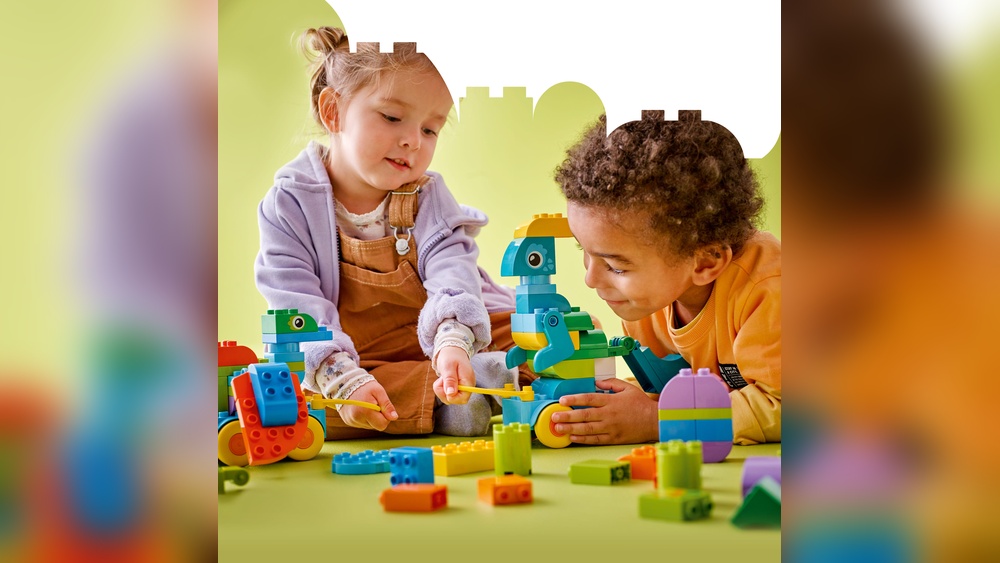
Have you ever noticed how your child gets lost in play for hours? Toys do more than just entertain—they spark curiosity and challenge your child to think in new ways.
When your kid tackles a puzzle or builds with blocks, they’re actually sharpening important problem-solving skills. Imagine giving your child the tools to face challenges confidently, both now and in the future. Keep reading to discover how the right toys can boost your child’s ability to solve problems and grow smarter every day.
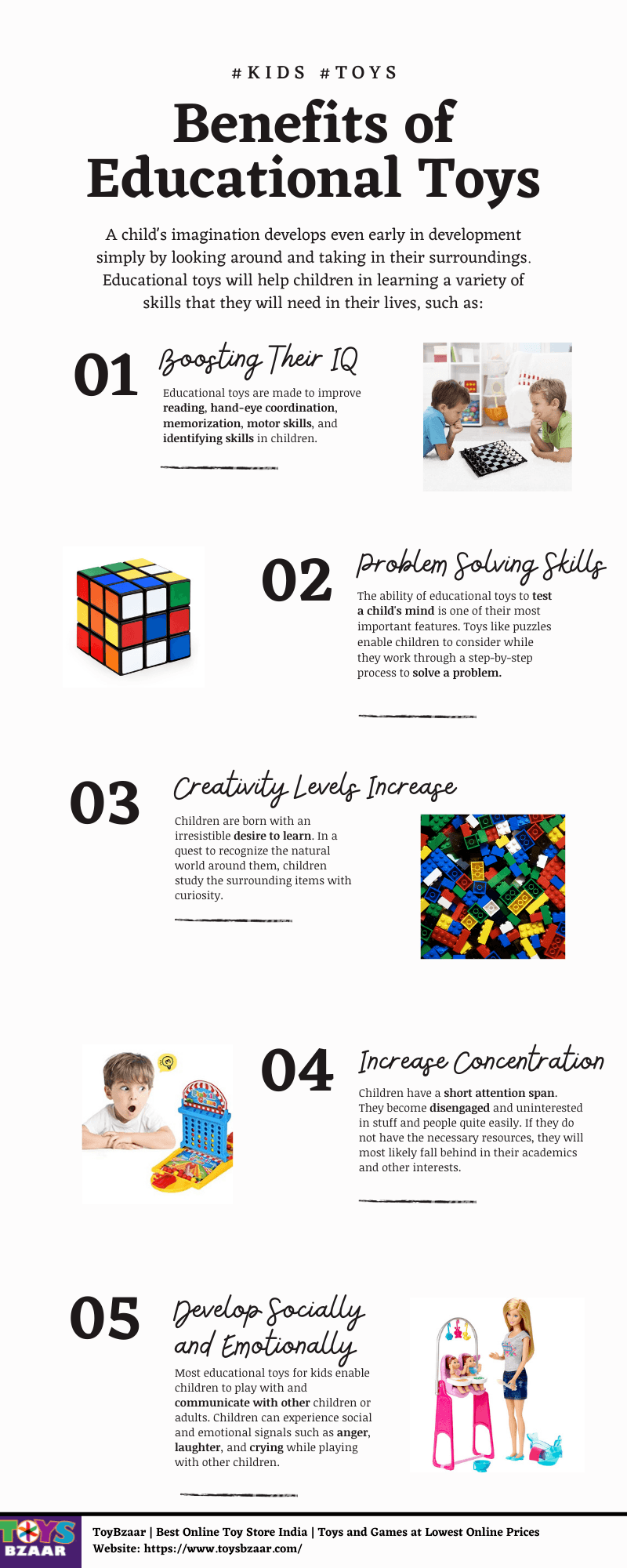
Credit: elearninginfographics.com
Role Of Toys In Skill Building
Toys play a key role in helping children build important skills. They offer a fun way to learn and grow. Through play, kids develop abilities that help them solve problems and understand the world better.
Choosing the right toys can support different areas of skill building. Toys encourage children to think, move, and explore. These actions strengthen their minds and bodies in many ways.
Stimulating Cognitive Growth
Toys challenge children to use their brains. Puzzles and building blocks make kids think about shapes and patterns. This helps improve memory and attention. Toys that require sorting or matching teach kids to organize information. These activities build reasoning and planning skills. Children learn to test ideas and find solutions through play. Cognitive skills grow stronger as kids explore new challenges.
Enhancing Motor Skills
Toys also help children move their bodies better. Playing with balls or stacking cups improves hand-eye coordination. Manipulating small pieces strengthens finger muscles. These fine motor skills are important for writing and daily tasks. Larger toys that require pushing or pulling build gross motor skills. Movement during play supports balance and strength. Active play makes children more confident in their physical abilities.
Types Of Toys That Encourage Problem Solving
Toys play a big role in helping kids solve problems. Different types of toys challenge children to think, plan, and find solutions. These toys make learning fun and boost important skills. Below are some popular types of toys that encourage problem solving in kids.
Puzzles And Brain Teasers
Puzzles are classic tools for developing problem-solving skills. They require kids to fit pieces together or find patterns. Brain teasers challenge children to think carefully and try different ideas. These toys improve memory, focus, and logical thinking. Kids feel proud when they complete a puzzle or solve a brain teaser.
Building Blocks And Construction Sets
Building blocks let children create structures from their imagination. They learn to plan and test their ideas. Construction sets often include instructions that teach step-by-step problem solving. These toys help kids understand shapes, balance, and space. Building encourages creativity and patience.
Interactive Electronic Toys
Interactive electronic toys respond to a child’s actions. They ask questions or give challenges that need solving. These toys use lights, sounds, or screens to keep kids engaged. They teach cause and effect, sequencing, and decision making. Kids enjoy these toys because they offer instant feedback.
Creativity Boost Through Play
Creativity grows naturally when children play with toys. Play gives kids a chance to think freely and try new ideas. It helps them find different ways to solve problems. Toys that encourage creativity help children build important skills. These skills include imagination, planning, and decision-making.
Through play, children learn to explore and express their thoughts. They create stories, solve puzzles, and invent new games. This kind of play supports their growth and helps them face challenges with confidence.
Imaginative Scenarios
Toys allow kids to build imaginary worlds. They create characters and stories around these toys. This kind of play lets children explore different roles and ideas. It helps them think beyond the real world. Imaginative play teaches children how to solve problems in fun ways. They learn to work through challenges their characters face. This strengthens their creativity and critical thinking.
Open-ended Play Opportunities
Open-ended toys have no fixed rules or endings. Blocks, art supplies, and simple figures inspire endless possibilities. Kids decide what to do with these toys. This freedom encourages creative thinking and problem solving. Children experiment with shapes, colors, and designs. They test ideas and learn from their mistakes. Open-ended play boosts independence and resourcefulness in kids.
Social Skills And Collaborative Problem Solving
Social skills and collaborative problem solving are key for children’s growth. Toys offer a natural way for kids to practice working with others. Playing together teaches children how to share ideas and solve problems as a group. These moments help build important skills for school and life.
Teamwork Through Group Play
Group play with toys encourages teamwork. Kids learn to cooperate and support each other. They discover how to divide tasks and work toward a shared goal. This kind of play helps children understand the value of working as a team. It also builds patience and respect for others’ opinions.
Communication And Negotiation
Toys prompt children to communicate clearly. They practice explaining their thoughts and listening to others. Negotiation skills grow as kids discuss rules and solve disagreements. These conversations improve their ability to express ideas and find fair solutions. Such skills prepare children for social challenges beyond playtime.
Parental Role In Enhancing Play Benefits
Parents play a key role in helping children gain the most from their playtime. Toys alone do not build problem-solving skills. Parents’ involvement makes a big difference. They create a safe space where kids feel free to explore and try new things. This support encourages children to think deeply and solve problems on their own.
Parents also help children connect play with real-life lessons. By watching and guiding, they can boost learning without taking control. This balance helps children grow confidence and learn independently. Let’s explore how parents can support play to enhance problem-solving skills.
Encouraging Exploration
Parents should invite children to explore toys in many ways. Ask questions that make kids think about what they are doing. Show curiosity about their ideas. This sparks creativity and helps children see new solutions.
Allow children to experiment without rushing to fix mistakes. Exploration builds critical thinking. Children learn to test ideas and find answers themselves. This freedom makes play meaningful and educational.
Guiding Without Overdirecting
Parents can guide play by giving gentle hints, not full instructions. Ask questions like “What do you think will happen next?” This encourages kids to plan and predict.
Overdirecting can stop children from trying on their own. Let kids find their own way with a little support. This helps develop independence and problem-solving skills. Parents’ quiet presence can boost confidence and learning.

Credit: erenjoy.com
Measuring Problem Solving Progress
Measuring problem solving progress in children helps adults understand how kids learn. Toys play a key role in this learning process. Watching how kids interact with toys shows their problem-solving skills. Tracking these skills over time reveals growth and areas needing support.
Observation Techniques
Careful watching is a simple way to measure progress. Notice how a child approaches a new toy or puzzle. Look for signs of thinking, like pausing or trying different ways. Observe if the child asks for help or tries alone. Record these moments to compare later.
Tracking Development Milestones
Milestones mark key steps in problem-solving growth. Examples include solving a puzzle without help or using a toy in new ways. Keep a list of these milestones for each child. Check progress regularly to see improvement. This tracking helps guide play and learning activities.

Credit: tookystudio.com
Frequently Asked Questions
How Do Toys Improve Kids’ Problem-solving Skills?
Toys challenge children to think critically and find solutions. They promote creativity, logical thinking, and perseverance. Engaging with toys helps kids develop patience and cognitive flexibility, essential for problem-solving in real life.
What Types Of Toys Boost Problem-solving Abilities?
Building blocks, puzzles, and strategy games are excellent for problem-solving. These toys encourage experimentation, spatial awareness, and planning. They also help kids understand cause and effect, enhancing analytical skills.
Can Interactive Toys Enhance Children’s Critical Thinking?
Yes, interactive toys promote active learning and decision-making. They require kids to analyze situations and adapt strategies. This hands-on engagement strengthens reasoning and problem-solving capabilities.
How Do Educational Toys Support Cognitive Development?
Educational toys stimulate curiosity and knowledge acquisition. They teach concepts through play, making learning enjoyable. This approach improves memory, attention, and problem-solving skills.
Conclusion
Toys help children think and solve problems every day. They encourage creativity and patience in simple ways. Kids learn to try again when things don’t work. Playing with toys builds skills that matter in school and life. Parents can choose toys that challenge and inspire their kids.
Watching children play reveals how they understand the world. Small steps in play lead to big growth in thinking. Toys are more than fun—they are tools for learning. Keep giving kids chances to explore and solve. Growth happens one playtime at a time.
