

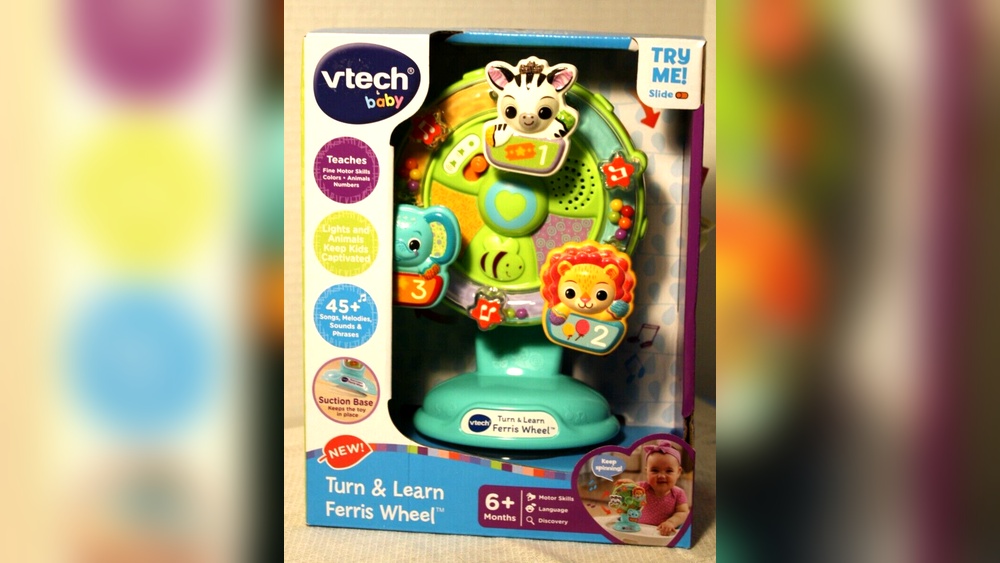
Have you ever watched your toddler spin toy wheels over and over, and wondered why they find it so fascinating? You might think it’s just a simple game, but there’s more going on inside your child’s mind than you realize.
Understanding why your little one is drawn to this repetitive action can help you support their growth and curiosity in the best way. Keep reading to discover the surprising reasons behind this common behavior—and how it plays a big role in your toddler’s development.

Credit: moonkieshop.com
Curiosity And Exploration
Toddlers spin toy wheels because they are curious about the world. Spinning wheels offer a way to explore and understand new things. This simple action helps them learn about movement and cause and effect. It is a natural part of how toddlers discover their environment.
Through spinning, toddlers engage their senses and test how things work. This exploration supports brain development and builds early learning skills. The repetitive motion feels rewarding and keeps their attention focused.
Sensory Engagement
Spinning toy wheels stimulate toddlers’ senses. They see the colors blur and feel the wheel turn under their fingers. The motion creates gentle sounds that catch their attention. These sensory experiences help toddlers understand different sensations. Sensory play is crucial for brain growth and motor skills development.
Cause And Effect Learning
Toddlers learn cause and effect by spinning wheels. They discover that pushing the wheel makes it turn. The wheel’s movement is a direct result of their action. This simple lesson teaches them about control and consequence. Repeating the action reinforces their understanding and builds confidence.

Credit: www.tractorsupply.com
Motor Skill Development
Toddlers spin toy wheels repeatedly as a part of their motor skill development. This simple action helps their brain and body learn to work together. Through spinning wheels, toddlers practice small and controlled movements. These movements build the foundation for more complex skills later.
Hand-eye Coordination
Spinning a wheel requires toddlers to watch their hands closely. Their eyes guide their hands to move just right. This back-and-forth helps improve hand-eye coordination. Better coordination helps toddlers with tasks like eating and drawing. Each spin is a small step toward stronger control.
Fine Motor Practice
Turning a wheel uses tiny muscles in the fingers and hands. Toddlers build strength and control through this repeated motion. These fine motor skills are needed for writing and buttoning clothes. The more they spin, the better their fingers become at precise movements. This practice is important for daily activities and learning.
Comfort And Soothing
Toddlers often spin toy wheels over and over. This action helps them feel calm and safe. Spinning creates a simple, predictable motion. It comforts young children during busy or confusing moments. This soothing effect helps toddlers manage their emotions and focus.
Repetitive Motion As Calm
Spinning a wheel repeats the same movement again and again. This steady motion can calm a toddler’s mind. The predictability helps reduce stress and worry. The child feels in control during this small, rhythmic activity. It gives a moment of peace amid new experiences.
Self-soothing Techniques
Spinning toy wheels is a common way toddlers soothe themselves. This simple act distracts them from discomfort or frustration. It helps them relax without needing help from adults. Toddlers learn to calm down through these small, easy actions. Self-soothing builds emotional strength and independence.
Cognitive Growth
Toddlers spinning toy wheels repeatedly is more than just play. It supports their cognitive growth. This simple action helps their brains develop new skills. Through repeated motions, toddlers learn to understand how things work. They begin to notice patterns and solve small problems. This type of play encourages thinking and learning in a natural way.
Pattern Recognition
Spinning wheels helps toddlers spot patterns. They see how the wheel moves round and round. This helps their brain learn to recognize cycles and repetition. Recognizing patterns is important for reading and math skills later. Toddlers practice watching carefully and remembering what happens next. This builds a strong base for future learning tasks.
Problem-solving Skills
Playing with wheels also helps toddlers solve problems. They try different speeds and directions to see what happens. This trial and error teaches cause and effect. Toddlers learn that their actions can change what they see. These early experiments improve their thinking and decision-making skills. Problem-solving through play prepares toddlers for more complex challenges.
Imitation And Social Learning
Toddlers learn a lot by copying others. Imitation helps them understand the world. Spinning toy wheels is one way they practice this skill. They watch adults or peers and try to do the same. This simple act helps them connect with others and learn new behaviors.
Imitation also builds social skills. Toddlers begin to see how people act and react. They use play to explore different roles. Spinning wheels can be part of this learning process. It is more than just fun; it is a social tool.
Copying Adults Or Peers
Toddlers watch adults and older children closely. They notice how people use toys and objects. If they see someone spinning a wheel, they try it too. Copying helps toddlers feel included and understand actions. It also helps them learn cause and effect by repeating what they see.
Role-playing Through Play
Spinning wheels often appear in role-play games. Toddlers pretend to drive cars or operate machines. This type of play builds imagination and social skills. They act out real-life situations using the toy wheels. It helps them practice actions and learn new words.

Credit: www.amazon.com
Signs Of Developmental Traits
Signs of developmental traits in toddlers can show through their play habits. Spinning toy wheels repeatedly is one way toddlers explore their world. This behavior may reflect their growing curiosity and fine motor skills. Understanding these signs helps parents know what is typical and what might need attention.
Typical Behavior Vs. Concern
Toddlers often repeat actions like spinning wheels to learn cause and effect. This repetition supports brain development and coordination. Most children enjoy this simple activity without issues. It becomes a concern if the child focuses only on spinning wheels. Ignoring other toys, social interaction, or new activities can be a red flag.
Typical behavior includes curiosity, occasional repetition, and interest in other play. Concern arises with intense, repeated spinning that limits other development areas. Watch for signs like no eye contact or delayed speech. These may require further observation.
When To Seek Advice
Seek advice if your toddler shows no interest in other play. If they repeat spinning for long periods without breaks, talk to a pediatrician. Lack of response to name or limited communication skills also matter. Early guidance can support healthy development. Professionals can check for underlying issues and suggest helpful steps.
Frequently Asked Questions
Why Do Toddlers Love Spinning Toy Wheels?
Toddlers enjoy spinning wheels because it stimulates their senses and curiosity. Spinning helps develop motor skills and hand-eye coordination. It also provides visual and tactile feedback, making the activity engaging and fun for young children.
How Does Spinning Wheels Aid Toddler Development?
Spinning wheels improve toddlers’ fine motor skills and spatial awareness. This repetitive action enhances focus and concentration. It also encourages problem-solving as toddlers explore cause and effect by watching the wheel spin.
Is Repetitive Wheel Spinning A Normal Toddler Behavior?
Yes, repetitive spinning is normal and common among toddlers. It helps them explore movement and sensory input. This behavior also supports brain development and learning through play, promoting cognitive and physical growth.
Can Spinning Wheels Help Toddlers With Sensory Processing?
Spinning wheels offer sensory stimulation that can soothe and engage toddlers. They provide visual motion and tactile feedback, helping children process sensory information. This can be especially beneficial for toddlers with sensory sensitivities.
Conclusion
Toddlers spin toy wheels because it helps them learn and explore. They enjoy watching the movement and feel happy doing it. This simple action supports their focus and motor skills. Parents can join in to encourage their child’s curiosity. Letting toddlers play with wheels is a healthy part of growth.
It shows how kids discover the world around them. Spinning wheels is just one fun way toddlers connect with their environment. Keep offering safe toys that spark their interest and joy.
