

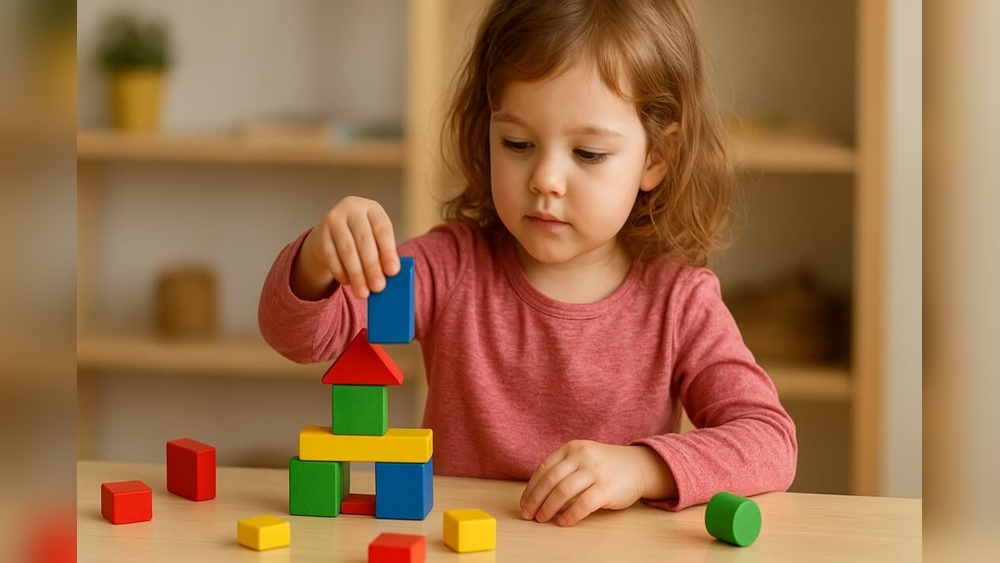
Have you ever noticed how your child’s face lights up when they figure out a new toy on their own? That moment of discovery is more than just fun—it’s a powerful step toward independence.
Toys aren’t just about play; they’re tools that help your child learn important skills like problem-solving, decision-making, and confidence. Imagine giving your child the freedom to explore and grow, all while having a great time. Keep reading to find out how the right toys can help your child become more independent every day.

Credit: blog.lovevery.com
Role Of Toys In Child Development
Toys play a key role in how children grow and learn. They help kids explore the world around them. Through play, children gain new skills and confidence. Toys give them chances to try new things on their own. This builds independence and helps kids feel capable.
Different types of toys help with different parts of development. Some toys challenge the mind. Others inspire creativity or improve physical abilities. Each toy supports a child’s growth in unique ways. Understanding these roles shows why toys matter so much.
Encouraging Problem Solving
Toys like puzzles and building blocks make kids think. They figure out how pieces fit or how to balance shapes. This teaches patience and logical thinking. Kids learn to solve problems step by step. These skills carry over to daily life challenges. Problem-solving toys help kids trust their own ideas.
Fostering Creativity And Imagination
Art supplies, dolls, and pretend play sets spark imagination. Children create stories and new worlds during playtime. This kind of play lets kids express feelings and ideas. It boosts creative thinking and helps with language skills. Creative toys support self-expression and help kids think freely.
Enhancing Motor Skills
Toys that involve movement improve hand-eye coordination. Balls, blocks, and drawing tools help develop fine motor skills. These skills are important for writing and daily tasks. Active play also strengthens muscles and balance. Motor skill toys help kids gain control over their bodies.
Types Of Toys That Promote Independence
Toys play a big role in helping kids learn how to do things on their own. Certain types of toys encourage children to explore, think, and solve problems independently. These toys help build confidence and skills that last a lifetime.
Choosing the right toys can support a child’s growth in many ways. They teach patience, focus, and decision-making. Kids enjoy the challenge and feel proud when they succeed by themselves.
Building And Construction Sets
Building sets like blocks and LEGO let kids create their own designs. These toys encourage planning and fine motor skills. Kids learn to follow steps and try new ideas. Building helps them understand cause and effect. It also boosts creativity and patience.
Pretend Play Toys
Pretend play toys include dolls, kitchen sets, and costumes. These toys invite kids to imagine and act out different roles. Pretend play teaches problem-solving and social skills. Children practice making choices and solving small challenges. It builds confidence in handling real-life situations.
Educational Games And Puzzles
Educational games and puzzles focus on thinking and learning. These toys improve memory, attention, and logic skills. Kids learn to complete tasks without help. They develop independence by solving puzzles step-by-step. These toys also encourage a love for learning.
How Play Builds Confidence
Play is a powerful tool that helps children grow confident. Through play, kids explore new ideas and try different actions. This process teaches them they can solve problems and succeed on their own. Confidence grows each time they feel proud of what they do.
Playing also gives children a safe space to face challenges. They learn that making mistakes is part of learning. This understanding builds their courage to try again. Confidence comes from knowing they can handle ups and downs.
Experiencing Success Through Play
Toys and games let children try tasks at their own pace. Completing puzzles or building blocks creates a clear sense of success. These small wins show kids they can do things independently. Success during play builds their belief in their abilities.
Learning From Mistakes
Play allows children to make mistakes without fear. They learn what does not work by trying again. This helps them understand that errors are part of growth. Kids become more willing to face new challenges and keep improving.
Developing Decision-making Skills
Choosing how to play helps children practice making decisions. They decide which toy to use or which rule to follow. These choices teach them responsibility and control. Strong decision-making skills support confidence in many areas of life.

Credit: sprout-kids.com
Supporting Independent Play At Home
Supporting independent play at home helps children grow confident and self-reliant. It gives them a chance to make choices and solve problems alone. Playing by themselves builds creativity and decision-making skills. Parents can guide this process by setting up the right environment and knowing when to step in or step back.
Creating A Safe Play Environment
Safety is key for independent play. Choose a space free from sharp objects and small parts. Use soft mats or rugs to cushion falls. Keep toys organized and easy to reach. A tidy area helps children focus and feel secure. Safety allows kids to explore without fear or worry.
Encouraging Exploration
Offer toys that spark curiosity and imagination. Blocks, puzzles, and art supplies invite children to try new things. Let kids experiment with different ways to play. Avoid strict rules about how toys should be used. Exploration helps children learn about the world around them. It builds confidence in their own ideas.
Balancing Guidance And Freedom
Watch your child but avoid taking over playtime. Step in only if they need help or are unsafe. Praise their efforts and creativity. Give clear but simple instructions when needed. Let children solve small problems on their own. This balance supports growth and independence.
Long-term Benefits Of Independent Play
Independent play helps children grow in many ways. It builds their confidence and decision-making skills. Kids learn to solve problems on their own. This kind of play prepares them for future challenges. The benefits last long after playtime ends.
Boosting Social Skills
Playing alone teaches children how to share ideas with others. They practice patience and take turns during group play. Independent play helps kids understand feelings and emotions. This builds better friendships and teamwork skills.
Preparing For School Challenges
Kids who play independently become more focused and organized. They learn to follow rules and complete tasks alone. These skills make school work easier and less stressful. Independent play builds a strong foundation for learning.
Cultivating Lifelong Learning Habits
Children who enjoy solo play often develop curiosity. They explore new ideas and try new activities. This habit encourages them to keep learning throughout life. Independent play creates a love for discovery and growth.

Credit: www.amazon.com
Frequently Asked Questions
How Do Toys Promote Kids’ Independence?
Toys encourage kids to explore and solve problems on their own. They build decision-making and motor skills. This fosters confidence and self-reliance, key elements of independence.
What Types Of Toys Best Build Independence?
Open-ended toys like blocks, puzzles, and art supplies work best. They allow creativity and problem-solving without strict rules. These toys empower kids to make choices and learn from mistakes.
Can Toys Improve Decision-making Skills In Children?
Yes, toys that require planning or strategy enhance decision-making. Kids learn to evaluate options and consequences. This skill is vital for their independent thinking and daily life.
How Do Toys Boost Self-confidence In Kids?
Mastering toy-related challenges gives kids a sense of achievement. This success builds self-esteem and encourages them to try new tasks independently. Confidence grows with each small victory.
Conclusion
Toys play a key role in helping kids grow independent. They teach problem-solving and decision-making skills. Kids learn to play alone and enjoy their own company. Toys also build confidence through trial and error. Imagination and creativity expand with each play session.
Giving children the chance to explore supports their self-reliance. Choosing and managing toys helps them feel responsible. Small steps with toys lead to big gains in independence. Letting kids play freely helps them become confident individuals. Toys are more than fun—they shape a child’s future.
