

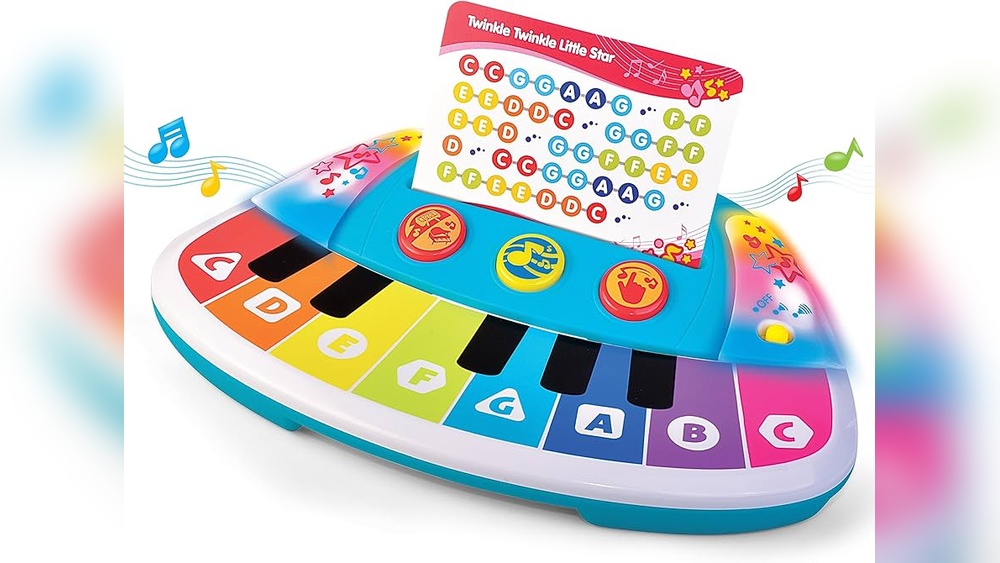
Have you ever noticed how your toddler grabs a toy, plays with it for just a moment, and then moves on to the next one? It can feel like a whirlwind of activity, leaving you wondering why they switch between toys so quickly.
Understanding this behavior can help you support your child’s growth and make playtime more enjoyable for both of you. Keep reading to discover the surprising reasons behind this rapid toy-switching and how you can turn it into a positive experience for your little one.
Toddler Attention Span
Toddlers switch toys often because their attention span is still developing. Their minds are eager to explore and understand the world. This makes it normal for them to move quickly from one toy to another. They enjoy discovering new things and testing different ideas. Understanding their attention span helps caregivers support their growth better.
Natural Curiosity
Toddlers have a strong natural curiosity. They want to touch, see, and play with many objects. Each toy offers a new experience and teaches something different. This curiosity pushes them to try many toys in a short time. They learn by exploring and asking questions with their actions.
Short Focus Periods
Their brains can only focus on one thing for a short time. Toddlers easily get distracted by sounds, colors, or movements. These short focus periods mean they quickly lose interest in one toy. Switching toys keeps them engaged and helps their brain grow. It is a normal part of early development.
Brain Development Factors
Toddlers switch toys quickly because their brains are growing fast. Brain development helps them learn about the world. Their curiosity makes them want new experiences. Each toy offers a chance to explore and learn something different. This rapid change in focus is normal and healthy for young children.
Exploration And Learning
Toddlers use toys to discover how things work. They try to solve problems and test ideas. Switching toys lets them explore many skills. One toy might teach stacking, another might teach shapes. This variety helps their brain build new connections. They learn best by trying many things quickly.
Sensory Stimulation Needs
Toddlers need different senses to be active. Toys provide sights, sounds, and textures to touch. Changing toys keeps their senses interested and engaged. If a toy is too simple, they lose interest fast. New toys offer fresh colors, noises, and feelings. This sensory input helps brain growth and attention span.
Emotional And Social Influences
Toddlers switch toys quickly due to strong emotional and social reasons. Their feelings and interactions with others shape how they play. Understanding these influences helps explain this common behavior.
Seeking Comfort
Toddlers often choose toys that make them feel safe. Toys can act like a soft hug during times of stress. Switching toys may happen when one toy no longer feels comforting. They look for new toys to calm their mind or cheer them up.
This need for comfort is natural. Toddlers are still learning how to handle big feelings. Toys become tools to help them feel secure.
Imitating Others
Toddlers watch people around them closely. They copy what parents, siblings, or friends do. If a friend plays with a toy, a toddler may want it too. They switch toys to match what others enjoy.
This imitation helps toddlers learn social skills and connect with others. Changing toys often shows their desire to join in and belong.

Credit: www.amazon.com
Toy Characteristics
Toddlers often switch toys quickly because of certain toy characteristics. These features catch their attention and keep them curious. Understanding these traits helps explain their behavior.
Toys that offer new sights or sounds invite toddlers to explore more. They seek fresh experiences that excite their growing minds.
Novelty And Variety
Toddlers love toys that look different or have new parts. Bright colors and unusual shapes attract their eyes. Toys that change or have many pieces keep their interest longer. Variety helps prevent boredom and sparks creativity. Each new toy feels like a fresh adventure to them.
Interactive Features
Toys that respond to touch or sound engage toddlers deeply. Buttons to press, levers to pull, and wheels to turn make play active. These features help toddlers learn cause and effect. The chance to control the toy keeps them coming back. Interaction makes playtime fun and teaches new skills.
Parental Role
Parents play a key role in how toddlers interact with toys. Their actions shape children’s habits and choices. Toddlers often switch toys quickly, and parents can guide this behavior. Understanding the parental role helps create a positive play environment. It also supports healthy learning and growth.
Encouraging Exploration
Parents can encourage toddlers to explore different toys freely. Offering a variety of safe toys allows children to discover new interests. This freedom supports creativity and curiosity. Parents should watch and join play without controlling it. It helps toddlers feel confident and excited to try new things.
Setting Boundaries
Setting limits helps toddlers learn focus and patience. Parents can teach children to spend time with one toy before switching. This practice builds attention skills and reduces frustration. Clear rules about playtime and toy use guide toddlers gently. Boundaries create a balance between freedom and structure in play.

Credit: shop.hasbro.com
Tips To Manage Toy Switching
Toddlers often switch toys quickly. It can feel overwhelming for parents. Managing this habit helps children enjoy play more. It also reduces mess and stress. Simple strategies make a big difference. They help toddlers focus and explore deeply.
Rotating Toys
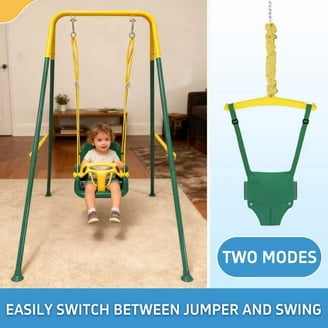
Keep only a few toys out at a time. Store the rest in a box or shelf. Change the toys every few days or week. This keeps toys fresh and exciting. Toddlers feel curious about the “new” toys. It reduces the urge to switch all the time.
Creating Focused Playtime
Set specific times for play with one toy. Encourage your child to spend a few minutes with it. Join them to show how fun focused play can be. Praise your toddler when they stay with one toy. This builds patience and attention over time. Focused play helps deepen learning and creativity.
Credit: www.walmart.com
Frequently Asked Questions
Why Do Toddlers Lose Interest In Toys Quickly?
Toddlers have short attention spans and are naturally curious. They seek new stimuli to explore and learn. Quickly switching toys helps develop cognitive and motor skills. It keeps their minds engaged and prevents boredom during playtime.
How Does Toy Switching Benefit Toddler Development?
Switching toys encourages creativity and problem-solving. It enhances fine motor skills and hand-eye coordination. Toddlers learn cause and effect by exploring different toys. This behavior supports brain growth and sensory development effectively.
Is Frequent Toy Switching Normal For Toddlers?
Yes, it is a normal part of toddler behavior. It shows healthy curiosity and learning ability. Toddlers explore their environment by testing new objects. Parents should provide a variety of toys to support this.
How Can Parents Manage Toddlers Switching Toys Often?
Offer a rotating selection of toys to maintain interest. Limit the number of toys available at once. Encourage focus by engaging in play together. Praise toddlers when they explore toys deeply to build attention.
Conclusion
Toddlers switch toys quickly because they are curious and learning. Their short attention spans make them explore many things fast. Changing toys helps them discover new skills and ideas. This behavior is normal and shows healthy brain growth. Parents can support by offering varied, safe toys.
Let toddlers follow their interests and enjoy playtime. This phase passes as they grow older and focus more. Watching them switch toys reveals how they see the world. It’s a small but important part of their development journey.
