

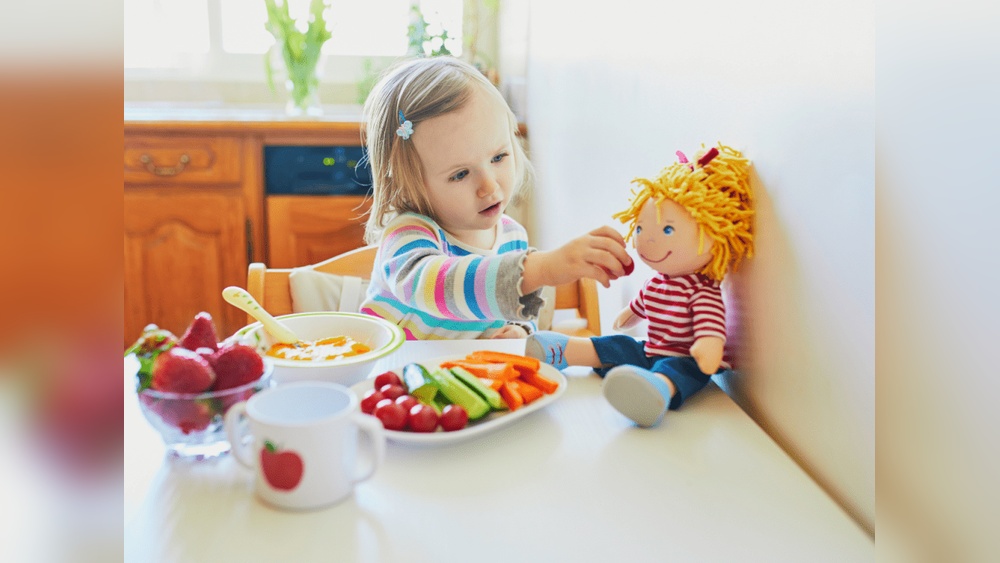
Have you ever watched your toddler pick up a toy phone and start talking into it like they’re having a real conversation? That’s pretend play, and it’s a big milestone in your child’s growth.
But when exactly do toddlers begin this imaginative game? Understanding when your little one starts to pretend can help you support their creativity and learning in the best way. Keep reading to discover the signs of pretend play and how you can encourage this exciting stage in your toddler’s development.

Credit: blog.lovevery.com
Early Signs Of Pretend Play
Pretend play is a key part of toddler growth. It shows how their minds start to think creatively. Parents and caregivers can spot this play early. These early signs reveal a child’s growing imagination. They also hint at how toddlers understand the world around them.
Recognizing these signs helps adults support children’s learning. It also encourages more fun and discovery. Here are some early signs of pretend play in toddlers.
Simple Imitations
Toddlers begin by copying actions they see. They might mimic talking on the phone or stirring a pot. These simple actions show they watch and learn from adults. Imitations are the first step toward more complex pretend play. They help toddlers practice skills and roles they see daily.
Using Objects Creatively
Toddlers start using objects in new ways. A block can become a car or a phone. They use their imagination to transform everyday items. This shows their mind is flexible and creative. Using objects this way helps build problem-solving skills. It also shows early signs of storytelling and role play.
Typical Age For Pretend Play
Pretend play is a key part of toddler development. It shows how children start to understand the world around them. Most toddlers begin to show signs of pretend play at a typical age. This stage helps improve creativity, language, and social skills. Knowing when toddlers start pretend play guides parents and caregivers in supporting their growth.
Around 12 To 18 Months
Toddlers usually start simple pretend play between 12 and 18 months. At this age, they imitate everyday actions. For example, they might pretend to talk on a toy phone or feed a doll. These actions are short and basic. Toddlers learn by copying adults and older children. They repeat these small actions many times. This stage is the beginning of imaginative play.
Growth By 2 Years
By age 2, toddlers’ pretend play becomes more complex. They combine objects and ideas in new ways. For instance, a block might become a car or a spoon a microphone. Their stories grow longer and more detailed. Toddlers also start playing with others, sharing roles in play. This helps develop language and understanding of social rules. Pretend play at this age shows rapid growth in thinking and creativity.
Stages Of Pretend Play Development
Pretend play is a key part of toddler growth. It helps kids learn about the world and express ideas. Pretend play happens in stages. Each stage shows how a child’s thinking and social skills grow.
Understanding these stages helps parents and caregivers support children better. It also shows how play changes as toddlers get older.
Solo Play
Solo play starts around 18 months. Toddlers play alone with toys. They use objects in simple pretend ways. For example, a child might pretend a block is food.
This stage builds imagination. It also helps toddlers feel confident in their ideas. Toddlers learn to focus on their own play.
Parallel Play
Parallel play happens around 2 years old. Children play near others but not together. Each child has their own toys and play ideas.
They watch and copy each other. This stage teaches sharing and social awareness. Toddlers start to notice friends and learn social rules.
Interactive Play
Interactive play begins near age 3. Children play together using shared ideas. They take turns and create stories together.
This stage improves language and cooperation skills. Toddlers learn to solve problems while playing. Interactive play builds friendships and teamwork.

Credit: www.elevatetoddlerplay.com
Role Of Language In Pretend Play
Language plays a big part in toddlers’ pretend play. It helps children express their ideas and feelings. Words bring their imagination to life. Talking allows toddlers to create stories and roles. Language guides their play and makes it more fun.
Words And Imagination
Words help toddlers picture things beyond reality. Simple phrases like “I am a doctor” start pretend scenes. New words add details to their stories. Language lets children change objects into something else. For example, a block can become a phone. This sparks their creativity and thinking.
Narrative Skills Boost
Pretend play improves how toddlers tell stories. They learn to organize events and describe actions. This practice builds their speaking and listening skills. Using language in play helps children understand story flow. It also teaches them how to explain ideas clearly. These skills are important for reading and writing later.
Influences On Pretend Play
Pretend play is a big step in a toddler’s growth. It helps develop creativity, language, and social skills. Many things affect when and how toddlers start pretending. These influences shape their play and learning.
Parental Interaction
Parents play a key role in pretend play. Talking and playing with toddlers encourages their imagination. Simple acts like naming objects or making up stories help. Toddlers learn by copying parents’ actions and words. When parents join in, children feel safe to explore new ideas. This interaction builds confidence and language skills. It also shows toddlers how to use everyday items in fun ways.
Toys And Environment
The toys and space around toddlers affect pretend play too. Open spaces and safe areas invite children to move and explore. Toys that look like real objects spark imagination. Dolls, toy kitchens, and blocks allow toddlers to act out real-life scenes. Everyday household items can also become play tools. A spoon turns into a microphone. A box becomes a car. A rich environment with varied toys gives toddlers more chances to pretend. This variety keeps play fresh and exciting.
Benefits Of Pretend Play
Pretend play is a vital part of toddler development. It helps children explore new ideas and practice skills. Through make-believe, toddlers learn about the world and themselves. This kind of play boosts many areas of growth. Understanding these benefits shows why pretend play matters so much.
Cognitive Growth
Pretend play helps toddlers think clearly. They use their imagination to solve problems. This kind of play improves memory and focus. Toddlers learn to plan and understand cause and effect. Pretend scenarios build their language skills too. They practice new words and ways to express ideas.
Emotional Development
Through pretend play, toddlers explore feelings safely. They act out different emotions like happiness or fear. This helps them understand their own feelings better. It also teaches empathy by seeing others’ feelings. Pretend play can reduce stress and boost confidence. Toddlers learn to manage emotions in a fun way.
Social Skills
Pretend play encourages sharing and teamwork. Toddlers learn to take turns and listen. They practice talking and negotiating with others. This play helps build friendships and trust. Toddlers understand social rules through role-playing. These skills prepare them for group settings like school.
Encouraging Pretend Play At Home
Pretend play helps toddlers learn about the world. It boosts creativity and social skills. Parents can make this play more fun and effective at home. Small changes create big chances for imagination and growth.
Creating A Playful Space
Set up a safe, open area for play. Use simple toys like dolls, blocks, or kitchen sets. Keep items easy to reach and organize. Change toys regularly to keep interest alive. Soft rugs or cushions make the space cozy. Light, bright spaces invite children to explore.
Joining The Play
Get down to your toddler’s level. Show interest by asking questions about their play. Follow their lead and add ideas slowly. Use simple words to describe actions. Copy their sounds or movements to connect. Your involvement makes play more exciting and meaningful.
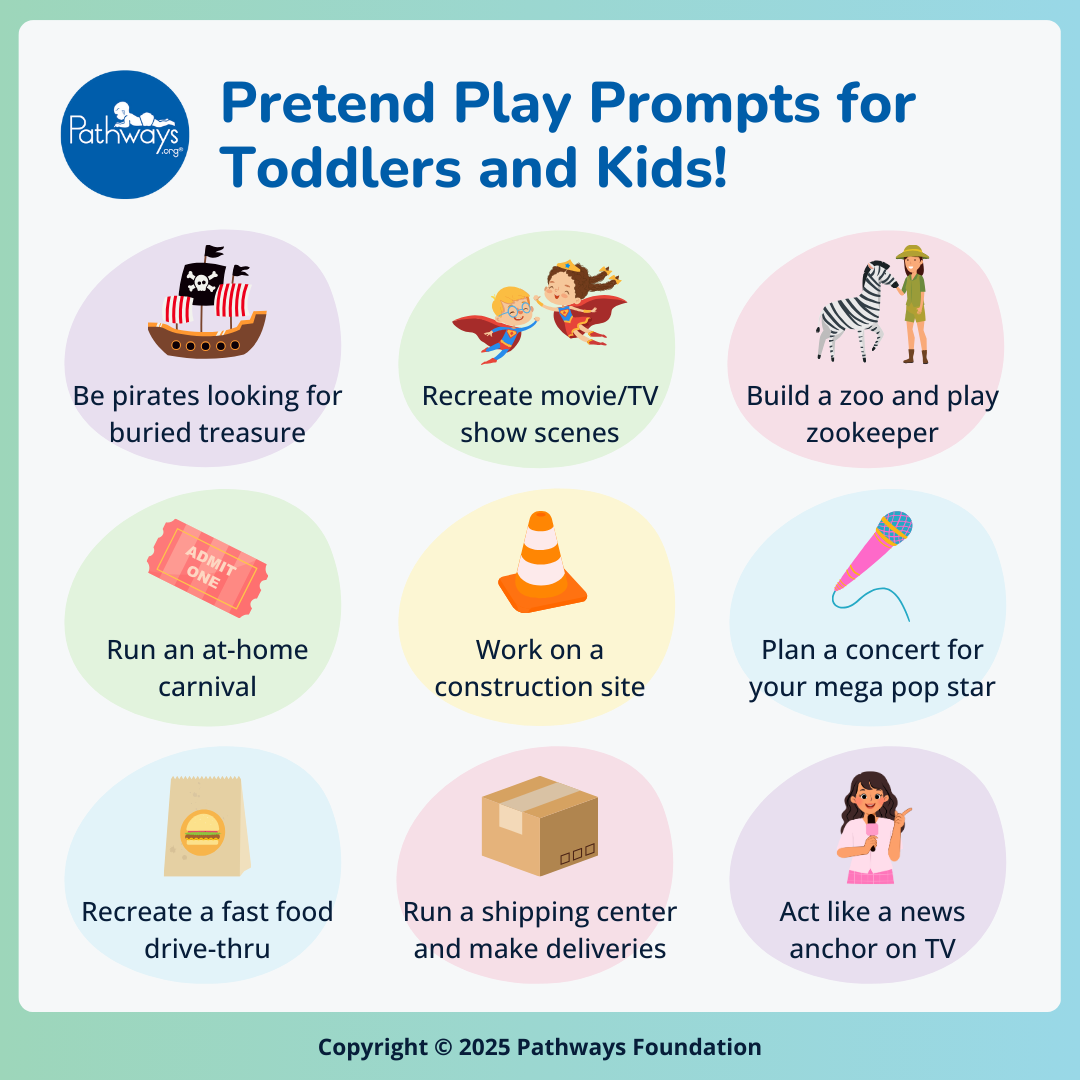
Credit: pathways.org
When To Seek Guidance
Pretend play is a big step in a toddler’s growth. It shows their thinking and creativity. Sometimes, toddlers might take longer to start pretend play. Parents may wonder when to seek help. Knowing the right time to get guidance can support the child’s development.
Delayed Pretend Play Signs
Watch for signs like no interest in make-believe games. If a toddler does not imitate actions or use toys creatively, it may be a concern. Lack of eye contact or avoiding social play can also indicate delays. These signs may mean the child needs extra support.
Professional Support Options
Experts like pediatricians or child psychologists can help. They assess the child’s skills and offer advice. Early intervention programs provide activities to encourage pretend play. Speech therapists and occupational therapists also support social and play skills. Finding the right help early can make a big difference.
Frequently Asked Questions
When Do Toddlers Typically Start Pretend Play?
Toddlers usually begin pretend play between 18 and 24 months. This stage marks their growing imagination and understanding of the world around them.
What Are Common Signs Of Pretend Play In Toddlers?
Signs include imitating adults, using toys as props, and creating simple stories. These behaviors show toddlers are exploring creativity and social skills.
How Does Pretend Play Benefit Toddler Development?
Pretend play enhances language, problem-solving, and social skills. It also boosts emotional understanding and cognitive growth in young children.
Can All Toddlers Engage In Pretend Play?
Most toddlers engage in pretend play, but timing varies. Individual differences depend on personality, environment, and developmental pace.
Conclusion
Toddlers usually start pretend play around age two. This play helps them learn and grow. It shows their imagination and feelings. Parents can encourage this by giving simple toys. Pretend play also builds language and social skills. Watching your toddler play gives clues about their development.
Every child grows at their own pace. Enjoy these moments—they are special and fun. Pretend play opens doors to creativity and learning. Keep supporting your toddler’s playtime often. It helps them explore the world in new ways.
