

Have you ever noticed how your child reacts when playing with toys around other kids? Teaching your little one to share can feel like a constant challenge.
But what if the very toys they love are the secret tools to help them learn this important skill? Understanding how toys encourage sharing can change the way you guide your child’s social growth. Keep reading to discover simple, effective ways toys can turn sharing from a struggle into a natural habit for your child.
Role Of Toys In Social Learning
Toys play an important role in how children learn social skills. They help kids practice sharing and cooperation. Through play, children understand how to interact kindly with others. Toys create chances for kids to build friendships and teamwork skills.
Social learning happens naturally when children play together. Toys act as tools that bring kids closer. They encourage communication and teach lessons about fairness and patience. This early learning shapes a child’s ability to get along with others.
Toys As Social Tools
Toys are more than just fun objects. They are tools for social growth. Sharing toys helps children learn to wait and take turns. Group play with toys teaches kids how to work as a team. Role-playing toys let children practice real-life social roles. This practice builds empathy and understanding.
Encouraging Interaction Through Play
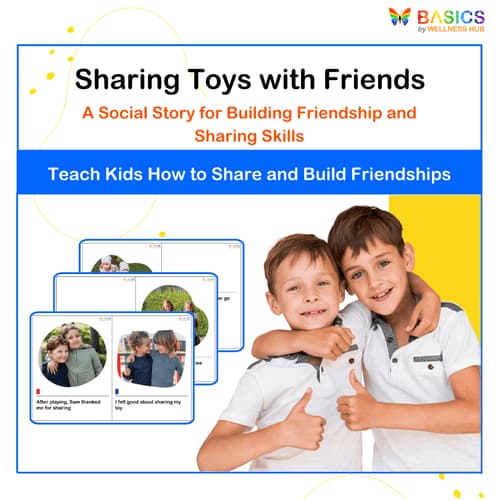
Playing with toys invites children to talk and share ideas. Toys spark conversations and cooperation. They help children solve problems together. Through play, kids learn to listen and respect others’ feelings. Interaction through toys boosts social confidence and friendship skills.
Credit: www.mywellnesshub.in
Types Of Toys That Promote Sharing
Toys play a big role in teaching kids how to share. Different toys encourage sharing in different ways. Some toys need teamwork. Others invite kids to take turns. These toys help children learn to be kind and patient.
Choosing the right toys can make sharing easier. Here are some types of toys that promote sharing skills in children.
Collaborative Games
Collaborative games ask kids to work together. Players share ideas and make group choices. These games teach children to listen and cooperate. They learn that winning is fun when everyone helps. Sharing game pieces and turns is part of the fun.
Building Sets And Construction Toys
Building sets need teamwork and sharing of parts. Kids pass blocks and tools to each other. They plan and create together. These toys improve communication and patience. Sharing pieces helps build friendships and trust.
Role-playing And Pretend Play
Role-playing toys invite kids to act and share roles. They take turns being different characters. Pretend play teaches empathy and cooperation. Children learn to share ideas and toys. This type of play builds social skills naturally.
How Sharing Develops Through Play
Sharing is a skill kids learn best through play. Toys create moments where children practice giving and taking. These moments help children understand fairness and kindness. Playtime offers real chances to try sharing and see its effects.
Through play, kids gain important social skills. They learn how to wait, care for others, and solve problems together. These lessons come naturally as children interact with toys and friends.
Learning Patience And Turn-taking
Children learn to wait for their turn with toys. This waiting teaches patience, a key part of sharing. Kids discover that waiting leads to fun for everyone. Turn-taking helps them respect others’ time and feelings.
Building Empathy And Cooperation
Playing together shows kids how others feel. Sharing toys helps children see the joy they bring to friends. This understanding builds empathy, making kids kinder. Cooperation grows as children work to play well together.
Resolving Conflicts During Play
Disagreements happen when kids want the same toy. These moments teach problem-solving skills. Children learn to talk, listen, and find fair solutions. Resolving conflicts strengthens sharing habits and friendships.
Parental Role In Guided Sharing
Parents play a key role in teaching kids how to share toys. They guide children through sharing moments. This helps kids learn kindness and cooperation. Parents show children how to take turns and care for others. Their involvement shapes positive sharing habits that last a lifetime.
Guided sharing builds social skills. Kids feel safe and supported while learning. Parents create chances for children to practice sharing. This hands-on help makes sharing easier and more natural for kids.
Modeling Sharing Behavior
Children copy what they see. Parents who share openly teach by example. Sharing meals, toys, or time shows kids how to act. This behavior sets clear rules without words. Kids learn sharing is good through daily actions.
Encouraging Positive Play Experiences
Parents join playtime to guide sharing moments. They praise sharing efforts and kindness. Positive feedback motivates kids to share more. Playtime becomes a safe space to practice sharing skills. Children enjoy sharing more when it feels fun and rewarding.
Setting Boundaries And Rules
Clear rules help children understand sharing limits. Parents explain when and how to share toys. Boundaries prevent conflicts and teach respect. Consistent rules help children feel secure. Kids learn sharing is fair and important through limits.
Benefits Of Sharing Skills In Childhood
Sharing skills in childhood build a strong foundation for social life. Kids learn to give and take, which helps them grow into caring individuals. Toys play a big role in teaching sharing. Playing together with toys creates chances to practice these skills. Sharing early brings many benefits that last a lifetime.
Improved Friendships
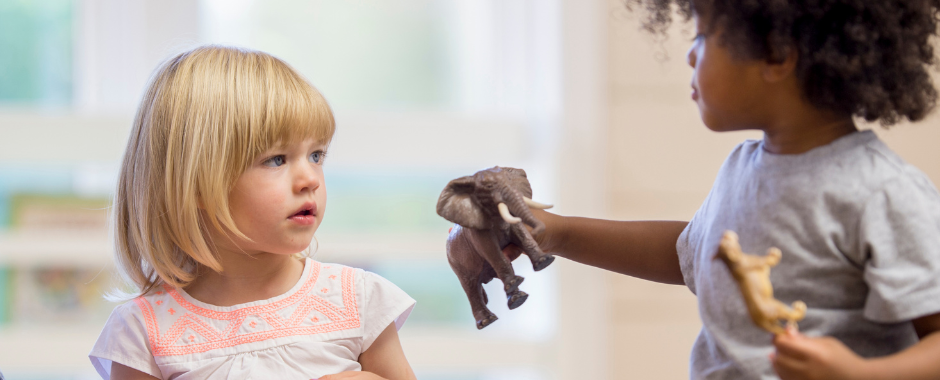
Sharing toys helps children make and keep friends. It shows kindness and respect to others. Kids who share are more likely to be invited to play. This builds trust and deeper connections between friends. Sharing also helps avoid fights and misunderstandings.
Enhanced Emotional Intelligence
Sharing teaches kids to understand others’ feelings. They learn patience and control over their emotions. Taking turns with toys helps children see things from another view. This skill grows their empathy and care for friends. Emotional intelligence supports better relationships throughout life.
Better Group Participation
Kids who share toys join group activities more easily. They learn cooperation and teamwork by playing with others. Sharing makes group play fun and fair for everyone. This prepares children to work well in school and social events. Group participation boosts confidence and social skills.
Credit: ccy.jfcs.org
Tips For Choosing Toys That Foster Sharing
Choosing the right toys helps children learn to share and play well with others. Toys that encourage sharing can build important social skills early. Parents and caregivers should select toys carefully to promote kindness and cooperation.
Selecting Age-appropriate Toys
Choose toys that fit the child’s age and skill level. Toys that are too hard or too easy can cause frustration. Age-appropriate toys keep children interested and willing to share. They also match the child’s ability to play together with others.
Prioritizing Open-ended Play
Pick toys that allow many ways to play. Blocks, art supplies, and dolls invite creativity and teamwork. Open-ended toys do not have set rules or winners. This encourages kids to explore and share ideas freely.
Encouraging Group Play Activities
Select toys designed for multiple players. Board games, puzzles, and building sets help children interact. Group play toys teach turn-taking and cooperation naturally. These toys give kids chances to practice sharing in fun ways.

Credit: howtoaba.com
Frequently Asked Questions
How Do Toys Encourage Kids To Share?
Toys create interactive play situations that require cooperation. Sharing toys helps children learn patience and empathy. Playing together fosters social skills and positive communication. These experiences teach kids the value of sharing and turn-taking naturally.
What Types Of Toys Promote Sharing Skills Best?
Toys designed for group play, like board games and building blocks, encourage sharing. Collaborative toys require kids to work together, promoting teamwork. Toys that need turn-taking help children understand fairness and patience. These types foster social interaction and sharing habits.
At What Age Do Kids Learn Sharing Through Toys?
Children start developing sharing skills around ages 2 to 3. Early childhood is when social behaviors emerge strongly. Toys during this period help practice turn-taking and cooperation. Consistent play with peers supports sharing and empathy development effectively.
Can Parents Use Toys To Teach Sharing At Home?
Yes, parents can model sharing behavior using toys. They can encourage turn-taking and praise sharing efforts. Guided play helps kids understand sharing benefits and limits conflicts. Parental involvement makes sharing lessons clear and fun during playtime.
Conclusion
Toys help children learn how to share with others. Playing together teaches patience and kindness. Kids practice taking turns and listening during playtime. These skills build strong friendships and good habits. Sharing toys makes play more fun and fair. Parents and teachers can guide children with sharing games.
Early sharing skills grow into cooperation and respect later. Simple toys offer big lessons in teamwork every day. Sharing is an important part of growing up happy.
