

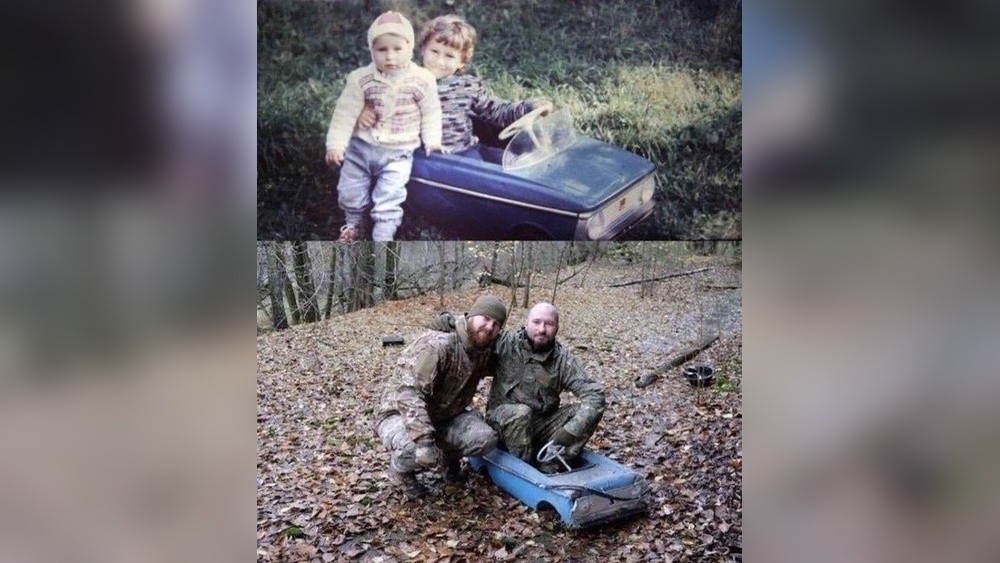
Have you ever noticed how your child suddenly loses interest in a favorite toy, only to come back to it weeks or even months later? It can be puzzling and sometimes frustrating.
You might wonder why this happens and what it means for your child’s playtime. Understanding why kids abandon toys and then return to them can help you support their growth and creativity in the best way. Keep reading, and you’ll discover surprising reasons behind this behavior—and how you can turn it into a positive experience for both you and your child.

Credit: www.latimes.com
Shifting Interests And Curiosity
Kids often leave their toys for a while and come back later. This happens because their interests change quickly. Curiosity drives them to explore new things. Toys may seem less exciting for a time. Then, after learning or playing with other items, they return to old favorites. This cycle is normal and shows how children grow and learn.
Exploring New Experiences
Children love to try new activities and objects. New toys or games catch their attention easily. These fresh experiences help them learn about the world. Sometimes, new interests cause kids to pause playing with old toys. After exploring, they may feel curious about those toys again. This back-and-forth helps them understand different ideas and skills.
Impact Of Developmental Stages
As kids grow, their brains and bodies change. Different ages bring new abilities and interests. A toy that was fun before may not fit their current skills. Later, when they develop new skills, the toy becomes interesting again. This shift shows how children adapt and use their toys in new ways. Development shapes what toys children want to play with and when.

Credit: www.teacherspayteachers.com
Role Of Attention Span
Attention span plays a big role in why kids leave toys and then come back to them later. Young children often lose interest quickly. Their minds jump from one thing to another. This makes it normal for kids to abandon toys. Yet, the toys are not forgotten. After some time, kids may return to the same toys with fresh interest.
Short Attention In Early Childhood
Young kids have short attention spans. They can focus only for a few minutes. Toys that are too simple or too hard lose their appeal fast. Kids move on to new toys or activities to keep their minds busy. This quick shift is natural. It helps them explore many things in a short time.
How Focus Changes Over Time
As kids grow, their ability to focus improves. They start spending longer time on one toy or game. Their curiosity deepens. This change helps kids enjoy toys more fully. Toys that were once abandoned become interesting again. Returning to old toys shows growth in attention and learning.
Emotional Attachment To Toys
Toys often hold special meaning for children beyond just fun. Emotional attachment plays a big role in why kids sometimes leave toys behind and then come back to them later. These feelings can create strong bonds that last over time, even if the toys sit unused for a while.
Forming Bonds And Separation
Children form deep bonds with their toys. These toys become friends and comfort objects. Kids may stop playing with them as their interests change. Still, the emotional connection remains. The toys represent memories and feelings. This bond makes it easy for children to return to their toys after some time away.
Rekindling Interest Through Nostalgia
Nostalgia helps children rediscover old toys. Seeing a toy again can bring back happy memories. This feeling sparks a desire to play with it once more. Nostalgia connects the child to their past experiences. It makes old toys feel new and exciting again.
Imaginative Play And Creativity
Imaginative play helps children explore new ideas and worlds. It allows kids to use toys in creative ways. This play boosts their thinking and problem-solving skills. Sometimes children leave toys aside and return later to use them differently. Their creativity changes over time, making old toys feel new again.
Using Toys For Storytelling
Kids often use toys as characters in their stories. Dolls, action figures, and blocks become heroes, villains, or cities. Through storytelling, children practice language and social skills. Toys help them act out feelings and events. This makes play deeper and more meaningful. Returning to toys later means new stories to tell.
Evolving Play Styles
Children’s play grows as they age. Simple play turns into complex scenarios and rules. A toy that was once for stacking blocks might become part of a castle. Their imagination shapes how they play each day. Toys abandoned for a time may be rediscovered in new ways. This change keeps play exciting and fresh.
Social Influences On Toy Preferences
Children’s toy choices often change because of social influences. Friends and family shape what toys seem fun or cool. Kids watch others and adjust their interests to fit in or stand out. These social factors help explain why toys get abandoned and then picked up again later.
Peer Impact On Toy Choices
Friends have a strong effect on what toys kids want. If a toy is popular in a group, children want to play with it too. Kids copy what their peers enjoy. Sometimes a toy loses appeal if no friends play with it. Later, a new group or trend can bring the toy back into favor.
Family Dynamics And Sharing
Families also influence toy preferences. Sharing toys with siblings changes how kids feel about them. A toy may be ignored if a sibling plays with it more. Parents’ opinions and the way they encourage play also matter. Toys may be abandoned when family attention shifts. They return when family routines or interests change.

Credit: www.etsy.com
Environmental Factors
Environmental factors play a big role in why kids leave toys and come back later. The space around children and the changes in their surroundings affect their interest in toys. These factors can make toys feel new or old without buying anything new.
Accessibility And Toy Rotation
Easy access to toys makes kids want to play more. If toys are always in sight and within reach, children use them often. But when toys are hidden or hard to find, kids forget about them.
Toy rotation helps keep things fresh. Parents can put some toys away for a time. After a few weeks, swapping toys brings back excitement. This simple trick makes old toys feel new again.
Influence Of Seasonal Changes
Seasons change play habits and the choice of toys. In summer, outdoor toys get more attention. Winter brings indoor games and puzzles to the front.
Weather also affects where kids play. Cold or rainy days keep them inside with different toys. Warm and sunny days encourage active play with other items. This shift helps kids return to toys they left behind earlier.
Benefits Of Toy Abandonment And Return
Children often leave toys behind and then come back to them later. This behavior is more than just random. It has real benefits for their growth and learning. Let’s explore why this cycle of toy abandonment and return is good for kids.
Taking breaks from a toy allows children to explore new interests. Returning to a toy later gives them a fresh view. This process helps them enjoy playtime more and learn better.
Encouraging Independence
Leaving a toy shows that kids can make choices on their own. They decide what to play with and when. This builds confidence and self-control. Kids learn to manage their time and interests without help.
Choosing to return to a toy also means children trust their own feelings. They know what makes them happy and when. This freedom supports their sense of independence deeply.
Supporting Cognitive Growth
Abandoning and then revisiting toys helps children think in new ways. They remember old ideas and mix them with new ones. This process boosts problem-solving and creativity.
Playing with the same toy at different times builds memory and focus. Kids learn to notice details they missed before. This repeated play sharpens their brain and helps them understand better.
Frequently Asked Questions
Why Do Kids Suddenly Lose Interest In Toys?
Kids lose interest as their curiosity shifts to new activities. They seek fresh challenges and experiences, causing temporary toy abandonment. This behavior is a natural part of their development and creativity growth.
How Long Do Kids Typically Abandon Toys?
The abandonment period varies from days to months. Kids often return to toys once they feel ready or bored with current activities. This cycle supports their imagination and learning.
Can Toy Abandonment Indicate Developmental Stages?
Yes, toy abandonment often reflects cognitive and emotional growth. Children explore different skills and interests, which helps them develop problem-solving and social abilities.
What Triggers Kids To Revisit Old Toys?
Nostalgia, boredom, or new perspectives often bring kids back to toys. They rediscover fun or create new play scenarios, enhancing creativity and enjoyment.
Conclusion
Kids often leave toys for new interests or needs. Time away helps them see toys in a fresh way. Returning to old toys feels like meeting an old friend. Changing moods and growth make playtime different each day. Parents can support by giving space and variety.
Toys stay fun when kids explore and come back later. This cycle of play keeps childhood creative and joyful.
