

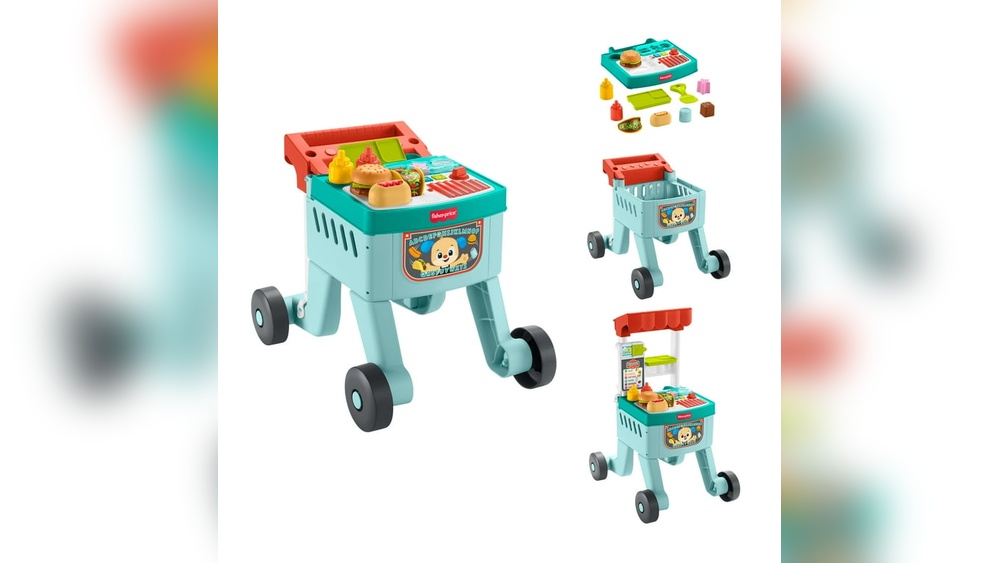
Have you ever watched your toddler open and close the same toy over and over again and wondered why they do it? It might seem like a simple or even puzzling habit, but there’s a lot going on behind those tiny hands and curious eyes.
Understanding this behavior can help you connect with your child better and support their growth in the best way. Keep reading to discover the surprising reasons why your little one loves this repetitive game—and how it plays a big role in their learning and development.
Curiosity And Exploration
Toddlers open and close toys again and again. This action is not just play. It shows their natural curiosity. They want to learn about the world around them. Each time they open a toy, they discover something new. Exploration helps them understand how things work. This simple act builds important brain skills.
Learning Cause And Effect
Toddlers learn that their actions have results. Opening a toy can make a sound or show a surprise. Closing it stops the sound or hides the surprise. This teaches cause and effect. They see that pressing or moving parts changes the toy. This learning is key for thinking and problem-solving.
Discovering Object Properties
Through repeated opening and closing, toddlers explore object properties. They feel textures, notice shapes, and test weight. This helps them understand materials and space. They learn what parts move or stay still. This hands-on discovery builds their knowledge about objects.
Credit: nxride.com
Developing Motor Skills
Toddlers open and close toys repeatedly to practice their motor skills. This simple action helps their hands and eyes work better together. It also makes their fingers stronger and more skilled. These skills are important for many daily activities as they grow.
Improving Hand-eye Coordination
Hand-eye coordination means using eyes and hands at the same time. When toddlers open and close toys, they watch their hands closely. This helps their brain learn how to guide their movements. Better hand-eye coordination makes tasks like eating or drawing easier.
Strengthening Fine Motor Control
Fine motor control is the ability to use small muscles in the hands. Opening and closing toys helps toddlers practice this control. Their fingers become stronger and more precise. This skill is needed for writing, buttoning clothes, and using utensils.
Seeking Sensory Feedback
Toddlers often open and close toys many times. This behavior is a way to seek sensory feedback. Sensory feedback means getting information through their senses. This helps toddlers learn about the world around them. They feel textures, see colors, and hear sounds. These experiences are exciting and help their brain grow.
Enjoying Tactile Sensations
Toddlers love to touch and feel objects. Opening and closing toys lets them explore different textures. Soft, hard, smooth, or bumpy surfaces give unique feelings. These tactile sensations help toddlers understand what things are made of. It also improves their hand strength and coordination. Repeating this action brings comfort and joy.
Responding To Visual And Auditory Cues
Toys often make sounds or show colors when opened and closed. Toddlers notice these changes quickly. Bright colors catch their eyes, while clicking sounds grab their attention. These visual and auditory signals encourage toddlers to repeat the action. Each time, they learn how their actions cause these effects. This builds cause-and-effect understanding, a key skill for early learning.
Building Predictability And Control
Toddlers often open and close toys over and over. This behavior helps them feel safe and in control. It makes the world around them less confusing. Toddlers learn what to expect from their actions. This builds a sense of order and calmness in their daily life.
Repeating simple actions gives toddlers a way to create patterns. These patterns help them understand how things work. Such predictability is very comforting at this stage of development.
Creating Routine Through Repetition
Repeating the same action creates a routine for toddlers. They begin to know what will happen next. This makes their environment feel stable and secure. Repetition helps the brain link cause and effect. Toddlers learn that opening a toy leads to a result. This routine teaches them patience and focus. It also helps develop memory and attention skills.
Gaining Confidence In Actions
Repeating tasks builds confidence in toddlers. They see that their actions cause change. This success boosts their self-esteem. Trying the same action again and again lets them practice skills. They improve hand-eye coordination and fine motor skills. Confidence grows as they master simple tasks. This feeling of control supports emotional growth and independence.
Emotional Comfort And Self-soothing
Toddlers often open and close toys repeatedly for emotional comfort. This simple action helps them feel safe and calm. It gives a sense of control in a world that can feel confusing. Toys become more than just playthings—they turn into tools for self-soothing.
Through this repetitive motion, toddlers learn to manage their feelings. The familiar action can lower stress and reduce anxiety. It creates a quiet moment where the child can regain balance and peace.
Managing Anxiety Through Familiarity
Repetition offers a predictable routine toddlers can trust. The sound and feel of opening and closing toys is reassuring. This steady action helps ease nervous energy. It gives toddlers a way to handle new or scary situations. The familiar motion brings comfort during changes or disruptions.
Using Toys As Emotional Anchors
Toys act as anchors in a toddler’s emotional world. They become a source of stability and calm. Holding and using a favorite toy helps toddlers feel secure. The toy is a reliable companion during moments of distress. This connection strengthens emotional well-being and builds confidence.
Credit: www.walmart.com
Imitating Adult Behavior
Toddlers watch adults closely. They learn a lot by copying what they see. Opening and closing toys again and again is one way they copy adult behavior. This action helps them understand daily tasks and feel connected to grown-ups. It shows how toddlers try to be like the people around them.
Mimicking Everyday Actions
Toddlers see adults open doors, containers, and boxes. They copy these actions using their toys. This repetition helps toddlers practice hand movements and coordination. It also helps them learn cause and effect. They begin to understand how things work by doing what adults do.
Exploring Social Roles
When toddlers open and close toys, they pretend to be adults. They might act like they are cooking, cleaning, or fixing things. This play helps them explore different social roles. It builds their imagination and helps them learn about daily life. Playing like this makes them feel grown-up and confident.
Signs Of Cognitive Development
Signs of cognitive development show how toddlers learn and grow every day. Repeating actions like opening and closing toys is a key part of this learning. These simple acts help toddlers understand the world around them. They explore cause and effect through these repeated motions. This behavior reveals important mental skills forming inside their young minds.
Watching these signs helps parents and caregivers support a child’s growth. Each movement and reaction points to progress in thinking abilities. Toddlers build new knowledge by trying and trying again. This process shapes strong brain connections needed for future learning.
Problem-solving Skills
When toddlers open and close toys, they practice solving problems. They learn how parts fit and work together. Each attempt teaches them what works and what does not. This trial and error helps children develop critical thinking. They become curious about how things function. This curiosity pushes them to find solutions.
Memory And Recognition
Repeating toy actions also boosts memory and recognition. Toddlers remember how to open a latch or press a button. They recognize objects and their effects from past tries. This builds their ability to recall information. Memory skills are vital for learning new tasks. Recognition helps toddlers feel confident and secure.
When To Encourage Or Redirect
Understanding when to encourage or redirect a toddler’s habit of opening and closing toys helps guide their learning. This behavior often shows curiosity and a desire to explore how things work. Parents and caregivers can support this natural interest while setting limits if needed.
Promoting Positive Play
Encourage toddlers to explore toys that open and close safely. Toys with buttons, lids, or doors teach cause and effect. This play builds fine motor skills and hand-eye coordination. Praise their efforts to keep them motivated. Offer new toys that challenge their skills gently. Create a safe space where they feel free to explore without worry.
Identifying Potential Frustrations
Notice signs of frustration like repeated attempts without success. Toddlers may feel upset if toys are too hard to open or close. Watch for crying or dropping toys in anger. These moments signal a need to redirect their play. Offer simpler toys or help them learn step-by-step. Redirect their attention to avoid negative feelings. This keeps playtime fun and stress-free.

Credit: www.amazon.com
Frequently Asked Questions
Why Do Toddlers Repeatedly Open And Close Toys?
Toddlers open and close toys repeatedly to explore cause and effect. This action helps develop fine motor skills and hand-eye coordination. It also satisfies their curiosity and builds cognitive understanding of object permanence and control.
How Does This Behavior Aid Toddler Development?
This repetitive action strengthens toddlers’ problem-solving skills and muscle control. It encourages sensory exploration and cognitive growth. Repetition helps toddlers learn through trial and error, improving memory and understanding of their environment.
Is It Normal For Toddlers To Repeat Toy Actions?
Yes, it is completely normal. Repetition is essential for brain development in toddlers. It reinforces learning and helps toddlers master new skills. This behavior indicates healthy curiosity and cognitive engagement.
When Should Parents Intervene In Repetitive Toy Play?
Parents should intervene if repetitive play causes frustration or harm. If the toddler shows distress or ignores other activities, guidance is helpful. Otherwise, allowing repetition supports developmental progress naturally.
Conclusion
Toddlers open and close toys to learn and explore their world. This simple action helps them understand cause and effect. They also improve hand skills and concentration. Repeating the motion feels comforting and fun. Parents can support this by offering safe, easy-to-use toys.
Watching their child discover new things brings joy. Remember, this behavior is a natural part of growth. It shows curiosity and learning in action. Embrace these moments—they build strong foundations for your toddler’s future.
