

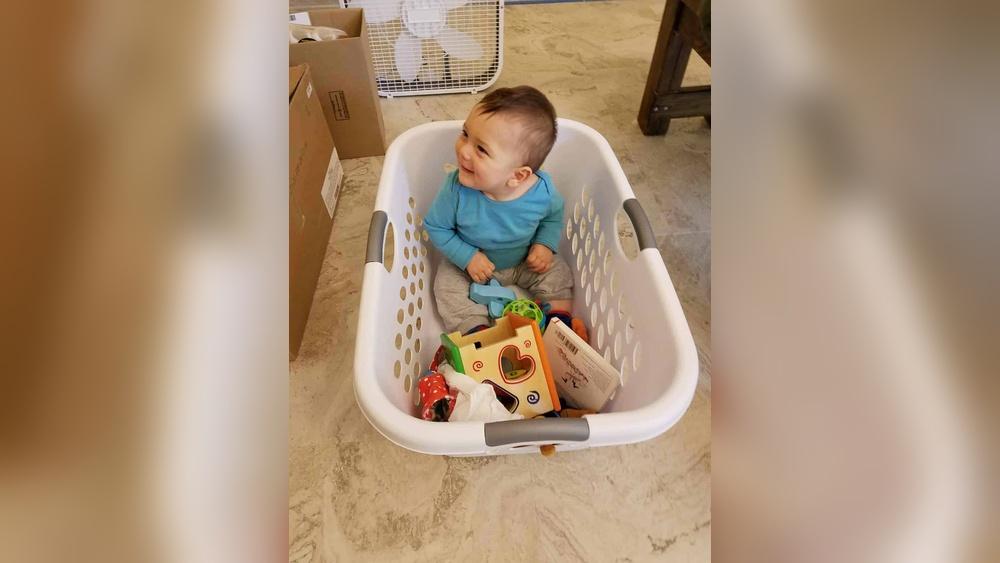
Are you wondering how to help your baby sit up more confidently and comfortably? You’re not alone.
Watching your little one gain new skills is exciting, but it can also be a bit challenging. The good news is, there are special toys designed just to support your baby’s balance and strength as they learn to sit up.
These toys don’t just keep your baby entertained—they play a key role in their development. Keep reading to discover which toys can make this important milestone easier and more fun for both you and your baby.

Credit: blog.lovevery.com
Benefits Of Sitting Support Toys
Sitting support toys help babies learn to sit safely and comfortably. These toys offer gentle assistance, making the sitting process easier. They help babies build important skills needed for sitting alone.
Using sitting support toys can make a big difference in a baby’s early development. Babies get the help they need to practice sitting while developing strength and balance.
Promoting Muscle Strength
Sitting support toys encourage babies to use their core muscles. These muscles are important for sitting upright. Toys provide a safe way to practice muscle control. Babies build strength without feeling overwhelmed. Strong muscles help babies sit and move better.
Enhancing Balance And Coordination
Toys that support sitting help babies learn balance. Babies try to stay steady with the help of the toy. This practice improves their coordination skills. Better balance helps babies explore their environment. Coordination skills grow as babies practice sitting.
Boosting Confidence In Babies
Sitting support toys give babies a sense of security. Babies feel proud when they sit with help. This confidence encourages them to try sitting alone. Feeling safe helps babies enjoy learning new skills. Confident babies explore more and learn faster.
Types Of Sitting Support Toys
Babies need extra help to learn how to sit up safely. Sitting support toys give them balance and comfort. These toys help strengthen muscles and improve coordination. Parents can choose from different types to find what suits their baby best.
Supportive Pillows And Cushions
Supportive pillows and cushions offer soft, stable backing. They surround the baby to stop falls. These cushions come in various shapes and sizes. Some have a U-shape to hug the baby gently. They allow babies to practice sitting without strain.
Activity Seats With Toys
Activity seats hold babies upright and entertain them. They often come with attached toys and mirrors. These seats boost sitting skills and keep babies busy. Babies enjoy reaching for toys while sitting safely. This type encourages hand-eye coordination and focus.
Inflatable Rings And Chairs
Inflatable rings and chairs provide lightweight, portable support. The soft air cushions absorb movement and keep babies balanced. These seats are easy to clean and store. Babies feel secure while they learn to sit on their own. Inflatable options also offer gentle comfort for growing muscles.
Top Picks For Sitting Support Toys
Helping a baby learn to sit up is an exciting step. Sitting support toys give babies the stability and comfort they need. These toys encourage balance and make sitting fun and safe. Here are some top picks that parents trust for this stage.
Best Pillows For Stability
Stability pillows gently support a baby’s back and sides. They keep babies from tipping over. Soft and firm, these pillows create a cozy seat. Some pillows have a U-shape to hug the baby. This shape helps babies feel secure while sitting.
Many pillows are made with washable covers. This feature keeps them clean and fresh. They come in bright colors and cute patterns. These pillows are easy to carry and use anywhere.
Most Engaging Activity Seats
Activity seats combine fun and support. They have built-in toys and sounds. Babies enjoy reaching, spinning, and pressing buttons. These seats keep babies entertained while sitting up.
Activity seats often have soft padding for comfort. They encourage good posture and balance. Many models adjust as babies grow. This feature makes them useful for many months.
Top Inflatable Options
Inflatable seats are lightweight and easy to move. They provide firm support around the baby’s body. These seats help babies sit upright safely. Inflatable seats usually have soft, smooth surfaces.
They are simple to clean and store. Parents can take them on trips. Inflatable seats come in fun shapes and colors. They make sitting practice enjoyable and comfortable for babies.

Credit: www.whattoexpect.com
Safety Tips When Using Sitting Toys
Using sitting toys can help babies develop their sitting skills safely. These toys support balance and strengthen muscles. Safety is very important to avoid accidents and injuries. Follow these tips to keep your baby safe while playing with sitting toys.
Supervision And Time Limits
Always watch your baby closely when using sitting toys. Babies can lose balance quickly. Keep sessions short to prevent tiredness. Limit playtime to 10-15 minutes at first. Stop if your baby shows discomfort or fussiness. Supervision prevents falls and other risks.
Choosing Age-appropriate Products
Pick sitting toys made for your baby’s age. Toys for younger babies offer more support. Older babies need toys that encourage active sitting. Check the product label for age recommendations. Using the right toy helps your baby learn safely. Avoid toys with small parts that can be choking hazards.
Material And Design Considerations
Choose toys made of soft, non-toxic materials. Smooth edges reduce the risk of cuts or scratches. Avoid toys with loose parts or sharp corners. Lightweight toys are easier for babies to handle. Clean toys regularly to keep them hygienic. Safe materials protect your baby’s health and comfort.
Encouraging Natural Sitting Development
Helping a baby learn to sit up is an important step in their growth. Encouraging natural sitting development supports strong muscles and balance. Toys can assist, but natural movement is key. Babies need practice and safe support to develop this skill.
Tummy Time Exercises
Tummy time builds neck and back strength. It helps babies lift their heads and push up. These movements are important for sitting skills. Place toys just out of reach to encourage reaching and movement. Keep sessions short but regular for best results.
Interactive Play Techniques
Use toys that invite babies to reach and grab. Soft blocks or rattles work well. Sit with your baby and encourage them to move toward the toy. Talk or sing to keep them interested. This interaction builds strength and focus.
Balancing Toy Use With Free Movement
Toys support sitting but should not replace free movement. Let babies explore sitting without too much help. Avoid devices that hold babies upright all the time. Free movement allows muscles to grow naturally. Balance toy use with plenty of floor play.

Credit: www.whattoexpect.com
Frequently Asked Questions
What Toys Help Babies Learn To Sit Up?
Toys like activity centers and supportive floor seats aid babies in sitting. They provide balance and encourage muscle strength for sitting. Interactive toys also keep babies engaged while practicing sitting skills safely.
When Should Babies Start Using Sitting-up Toys?
Babies typically start using sitting-up toys around 4 to 6 months. This is when they gain better head control and trunk strength. Always ensure toys are age-appropriate and offer proper support to prevent falls.
Are Sitting-up Toys Safe For Newborns?
Sitting-up toys are not safe for newborns. Newborns lack the muscle strength and control needed for sitting. Use these toys only when the baby shows readiness, usually after 4 months, to ensure safety and proper development.
Can Sitting-up Toys Improve Baby’s Muscle Strength?
Yes, sitting-up toys help strengthen neck, back, and core muscles. They encourage babies to practice balance and coordination. This muscle development is essential for milestones like crawling and independent sitting.
Conclusion
Toys designed to help babies sit up can make a big difference. They support balance and build muscle strength gently. Choosing safe, age-appropriate toys helps your baby practice sitting confidently. Always watch your baby closely during playtime to keep them safe.
These toys are not a rush but a helpful guide. Patience and regular practice are key to progress. Each baby grows at their own pace. Enjoy these special moments as your little one learns to sit up.
