

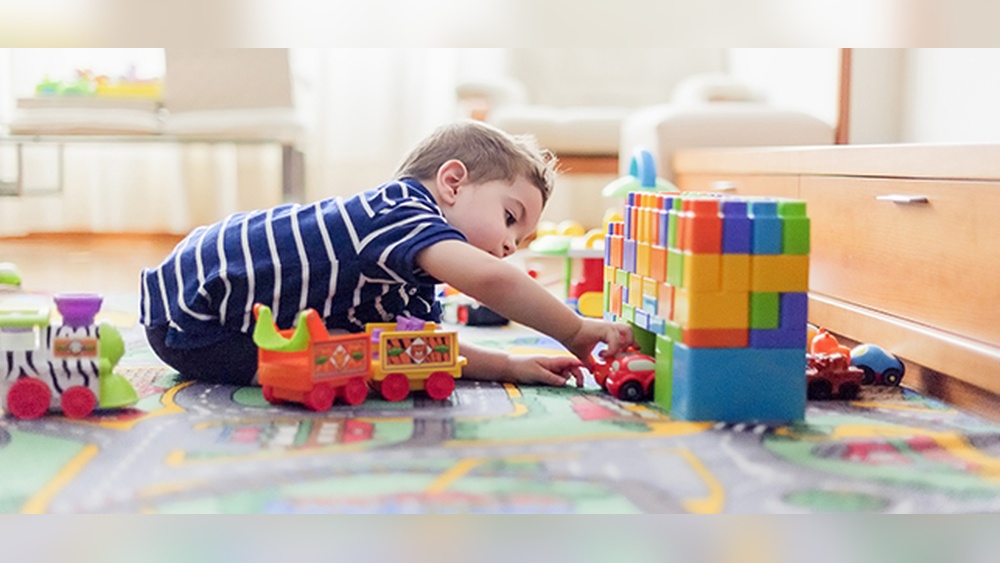
Have you ever noticed how your child lights up when they play alone with their favorite toy? Toys do more than just entertain—they help your child learn to explore, solve problems, and feel confident on their own.
When kids play independently, they build important skills that last a lifetime. You’ll discover how the right toys can encourage your child’s independence and creativity. Keep reading to find out how you can support your child’s growth through play.

Credit: www.littlelifelonglearners.com
Role Of Toys In Independent Play
Toys play a big role in helping kids play on their own. They offer chances for children to explore and learn without help. Independent play helps kids build confidence and skills. Toys guide children to try new activities by themselves. This kind of play is important for growth and learning.
Encouraging Self-directed Activities
Toys that are easy to use invite kids to play alone. They let children choose what to do next. This freedom helps kids feel in control. Self-directed play teaches kids to focus and enjoy time alone. Toys like building blocks or puzzles are great for this.
Fostering Problem-solving Skills
Toys that challenge kids help them solve problems. Puzzles or construction sets ask children to think carefully. Kids learn to test ideas and find answers. This helps their brain grow strong. Problem-solving toys keep kids busy and curious.
Promoting Imaginative Scenarios
Imaginative toys let kids create stories and worlds. Dolls, action figures, and dress-up sets spark creativity. Children act out different roles and ideas. This kind of play improves thinking and language. Imagination makes playtime fun and full of learning.
Types Of Toys That Boost Creativity
Toys that encourage creativity help children explore new ideas. They let kids use their imagination and think in different ways. These toys support independent play and learning.
Creative toys do not have fixed rules. Kids can change how they use them. This freedom builds problem-solving skills and confidence.
Open-ended Toys
Open-ended toys have no set purpose or instructions. Children decide how to play with them. Examples include dolls, stuffed animals, and simple wooden blocks.
These toys let kids create stories or build scenes. They encourage imagination and original thinking. Children learn to express their feelings through play.
Building And Construction Sets
Building sets like LEGO and magnetic tiles inspire kids to design and build. They practice planning and spatial skills. Kids experiment with shapes and balance while building.
These sets help children focus and develop patience. They enjoy seeing their ideas come to life. Building toys promote creativity and fine motor skills.
Art And Craft Supplies
Art supplies such as crayons, paints, and clay allow kids to create freely. Craft materials like paper, glue, and scissors add more options. Children explore colors, textures, and shapes.
Art and crafts improve hand-eye coordination and creativity. Kids express thoughts and emotions through their artwork. These supplies support independent, imaginative play.
Toys That Build Confidence
Toys that build confidence play a key role in a child’s growth. They encourage kids to explore and try new things alone. Through play, children gain a sense of achievement. This boosts their self-esteem and independence.
These toys help kids learn skills step by step. They also allow children to express themselves. Playing with such toys makes kids feel proud and capable.
Skill-based Toys
Skill-based toys challenge children to think and solve problems. Puzzles, building blocks, and stacking games develop fine motor skills. These toys teach patience and focus. As kids complete tasks, they feel success. This builds their confidence in their abilities.
Role-playing Sets
Role-playing sets let children act out different roles. Kids pretend to be doctors, chefs, or teachers. This sparks creativity and imagination. Role play helps children understand the world around them. It also improves communication skills. Playing roles builds self-assurance in expressing ideas.
Interactive Learning Toys
Interactive learning toys combine fun with education. These toys respond to a child’s actions with sounds or lights. They teach numbers, letters, and shapes in an engaging way. Kids learn cause and effect while playing. Interactive toys encourage independent exploration and confidence.
Credit: www.thebump.com
Creating An Independent Play Environment
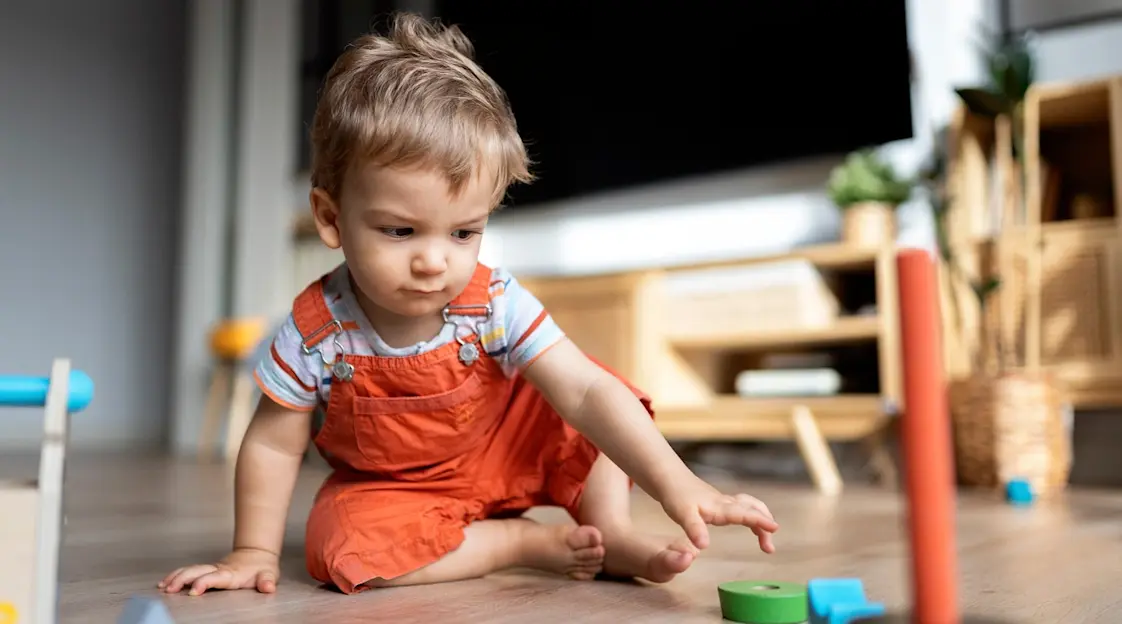
Creating an independent play environment helps children learn and grow on their own. It gives them space to explore their ideas and build confidence. Toys play a big role in this process. The right setting encourages kids to play without always needing help from adults. This section explains how to set up a place for independent play that supports children’s development.
Safe And Accessible Play Areas
Safety is the first step in creating a play area. Toys and materials must be within children’s reach. This helps kids choose what they want to play with by themselves. The space should be free from sharp edges and small parts that could be dangerous. Soft mats and child-sized furniture make the area cozy and safe. A tidy space helps kids focus and enjoy their playtime more.
Limiting Screen Time
Too much screen time can reduce a child’s creativity. Screens often distract children from hands-on activities. By limiting time on devices, kids spend more time with physical toys. This encourages imagination and problem-solving skills. Parents and caregivers can set clear rules about screen use. This creates more opportunities for kids to engage in independent play.
Encouraging Exploration
Toys that invite exploration inspire children to learn. Open-ended toys like blocks and art supplies work well. These toys allow kids to create and discover on their own. Changing toys regularly keeps the environment fresh and exciting. Children feel motivated to try new things and solve problems. This builds independence and a love for learning through play.
Parents’ Role In Supporting Independent Play
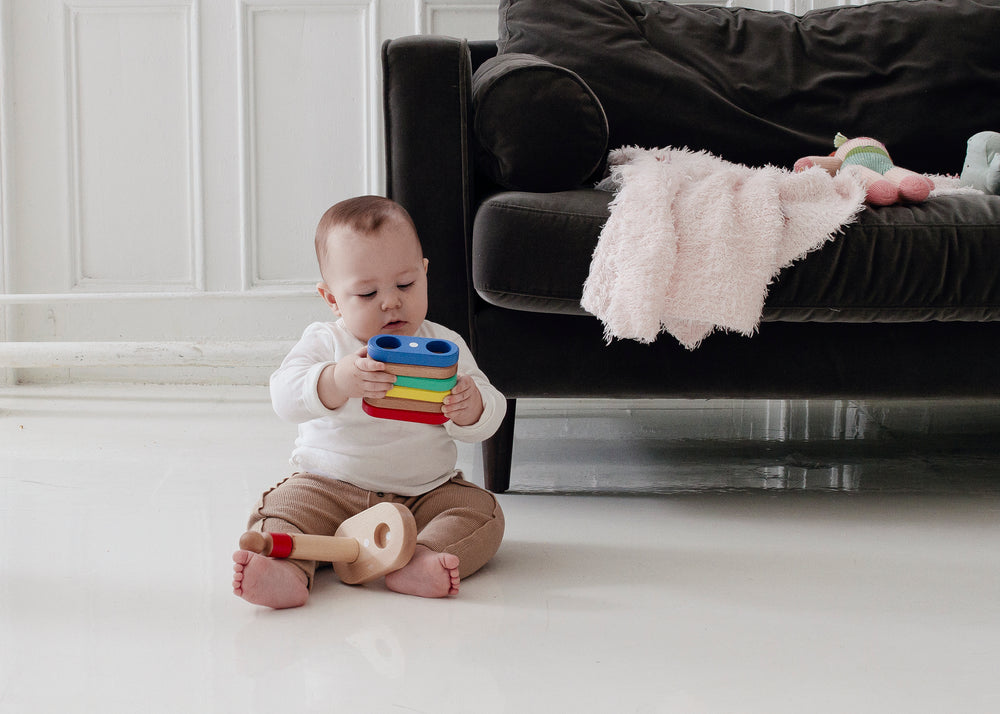
Parents play a key role in helping children enjoy independent play. Their support shapes how kids explore and learn through toys. Balancing help and freedom lets children grow confident and creative. Parents create a safe space where kids can try new things on their own.
Watching and guiding without taking over encourages kids to solve problems. Praising effort builds a child’s belief in their abilities. This support makes independent play a positive, fun experience.
Balancing Guidance And Freedom
Parents should offer help but avoid controlling playtime. Too much direction limits creativity and learning. Let children choose toys and decide how to play. This freedom strengthens decision-making skills and independence. Be ready to step in only when safety is a concern.
Observing Without Interfering
Quiet observation helps parents understand their child’s interests. Watching without interrupting lets kids explore ideas fully. Parents learn what toys inspire their child the most. This also shows when a child needs support or encouragement. Staying close but silent builds trust and confidence.
Offering Praise And Encouragement
Positive words boost a child’s motivation to play independently. Praise effort, not just results, to encourage trying new things. Say things like “Great job figuring that out!” or “You worked hard.” Encouragement helps children feel proud and eager to explore more.
Credit: www.roseandrex.com
Long-term Benefits Of Independent Play
Independent play helps children grow in many ways. It allows kids to explore ideas and solve problems on their own. These moments build skills that last a lifetime. Toys play a key role in supporting this growth. They encourage children to think, feel, and interact independently. The long-term benefits of independent play shape a child’s future success and happiness.
Enhanced Creativity And Innovation
Toys inspire children to use their imagination. Kids create stories and new worlds with simple objects. This kind of play boosts creative thinking. It helps children learn how to think outside the box. Over time, they develop the ability to invent and innovate. Independent play gives space for these creative ideas to grow freely.
Improved Emotional Resilience
Playing alone helps children understand their feelings. They learn how to manage emotions without constant help. Toys offer comfort and a safe outlet for expression. This builds emotional strength and self-confidence. Kids become better at handling challenges. Emotional resilience grows as they practice coping skills during play.
Better Social And Cognitive Skills
Independent play improves thinking and problem-solving skills. Children figure out how things work by themselves. Toys encourage focus and decision-making. These skills prepare kids for social situations. They learn patience and cooperation by playing solo first. Independent play lays a strong foundation for future social growth.
Frequently Asked Questions
How Do Toys Encourage Independent Play In Children?
Toys stimulate creativity and problem-solving, helping kids explore on their own. They build confidence and decision-making skills during solo play.
What Types Of Toys Best Support Independent Play?
Open-ended toys like blocks, puzzles, and art supplies encourage imagination. These toys allow kids to create freely and engage deeply without constant guidance.
Why Is Independent Play Important For Child Development?
Independent play fosters self-reliance, focus, and emotional regulation. It also enhances cognitive and social skills by allowing children to explore and learn independently.
How Can Parents Choose Toys For Independent Play?
Select toys that match the child’s age and interests. Choose items that challenge skills and invite creative thinking without being too complex.
Conclusion
Toys help children play on their own and learn new skills. They build creativity and boost confidence. Kids also practice problem-solving and decision-making through play. Independent play gives them space to explore ideas freely. It helps develop focus and patience too.
Choosing the right toys supports this important growth. Encouraging solo play can make children happier and more self-reliant. Small steps lead to big progress in learning and fun. Toys truly play a key role in kids’ development.
