

Have you ever noticed how your child naturally follows the rules when playing with toys? Toys do more than just entertain—they teach important lessons about boundaries and fairness.
Understanding how toys help kids learn rules can change the way you support their growth. You’ll discover simple ways toys shape your child’s ability to follow rules, solve problems, and get along with others. Keep reading to see how the right toys can make learning rules fun and easy for your child.
Credit: www.dreamstime.com
Role Of Toys In Learning
Toys are more than just fun items. They play a key role in how kids learn rules. Through play, children understand limits, take turns, and follow steps. Toys help kids practice these skills in a safe space. Learning rules through toys builds a strong base for social and mental growth.
Playing with toys encourages kids to interact and cooperate. These moments teach children about fairness and respect. Toys also challenge kids to think and solve problems. They learn to express themselves and listen to others. All these skills come from simple play with toys.
Building Social Skills
Toys often invite group play. Kids learn to share and wait their turn. They practice kindness and teamwork during playtime. Social skills grow as children follow play rules. These skills help kids make friends and work with others.
Encouraging Problem Solving
Many toys ask kids to figure out how to play. Puzzles, blocks, and building sets boost thinking. Kids try different ways to solve problems. They learn patience and how to keep trying. Problem solving with toys helps children think clearly.
Enhancing Communication
Playing with others helps kids talk and listen. Toys often need kids to explain rules or ideas. Kids use words to describe what they want or feel. This practice improves speaking and understanding. Communication skills grow as kids play and share.
Rules And Structure Through Play
Playtime is more than fun. It teaches kids important rules and structure. Toys and games introduce clear expectations. This helps children understand limits and follow guidelines. Learning rules through play builds strong social skills and self-control.
Rules give children a sense of order. They learn how to behave in different situations. Play offers a safe space to practice these skills. Kids see how rules help make play fair and enjoyable for everyone.
Introducing Game Rules
Toys and games come with simple rules. These rules guide children on how to play. Kids learn the purpose of the game and what they can do. Introducing rules helps children focus and understand what is expected.
Clear rules make play organized. Children feel more confident when they know the rules. This also helps reduce confusion and arguments during playtime.
Following Instructions
Following instructions is a key skill learned through play. Kids listen carefully to understand how to play. They practice doing steps in the right order. This builds their attention and memory.
Instructions help children learn discipline. They realize that following rules leads to success. This skill transfers to school and daily life.
Learning Patience And Turn-taking
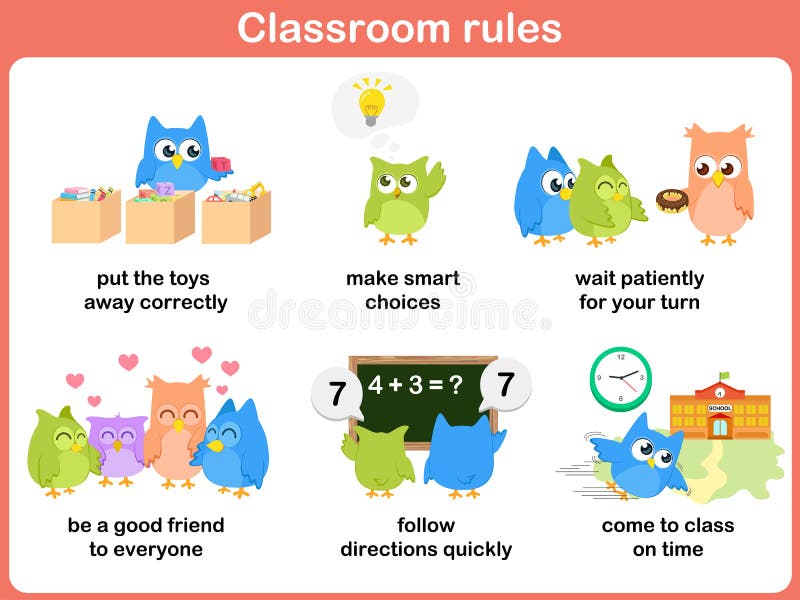
Play teaches children to wait their turn patiently. Taking turns is part of fair play. Kids learn to wait without interrupting others. This builds respect and self-control.
Waiting helps children manage their emotions. They experience joy when it is finally their turn. This lesson in patience is important for social growth.
Types Of Toys That Teach Rules
Toys play a big role in teaching kids how to follow rules. Different types of toys help children learn rules in various ways. These toys make learning fun and easy. Kids enjoy playing while understanding limits and guidelines. Below are some popular types of toys that teach rules effectively.
Board Games And Card Games
Board games and card games are great for learning rules. They have clear instructions kids must follow. Players take turns, wait patiently, and respect others. These games help children practice fairness and strategy. Kids learn how to win by following the rules, not by cheating.
Building Sets And Puzzles
Building sets and puzzles teach kids to focus and plan. Kids must follow instructions or fit pieces correctly. This encourages patience and problem-solving skills. Rules about how pieces connect guide the play. Children learn that following steps leads to success.
Interactive And Electronic Toys
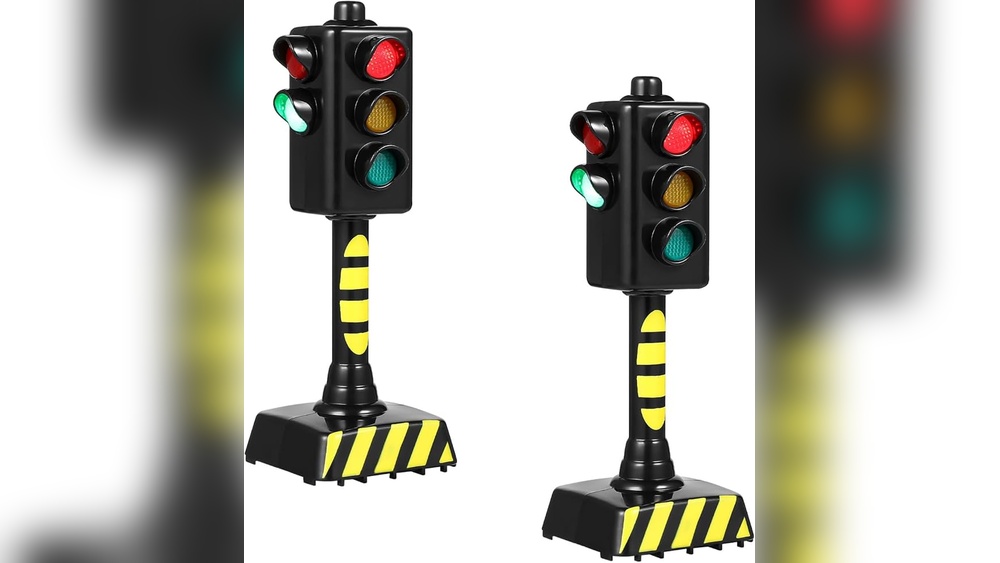
Interactive and electronic toys often have built-in rules. They respond only when kids press the right buttons. These toys help children learn cause and effect. Some teach turn-taking and patience with timed activities. Kids enjoy the challenge and learn to follow directions.

Credit: www.amazon.com
Boosting Focus And Attention
Toys play a key role in helping children improve their focus and attention. Playing with toys requires kids to follow steps and rules. This practice helps their brains stay alert and engaged. Focus and attention grow stronger as children learn to play patiently and carefully.
Through play, children learn how to keep their minds on a task. This skill is important for school and daily life. Toys guide kids in practicing these skills in a fun way. They encourage children to think, plan, and solve problems while playing.
Concentration Through Play
Playing with toys helps children build concentration. Toys like puzzles or building blocks need focus to complete. Kids learn to pay attention to details and finish tasks. This strengthens their ability to stay focused for longer times.
During play, children practice ignoring distractions. They learn to watch carefully and think before acting. These moments improve brain skills that help in reading and learning later.
Managing Distractions
Toys teach children how to handle distractions. Kids often face noises or interruptions while playing. Toys with clear rules help children learn to ignore these distractions. They practice staying on task despite outside noise or interruptions.
This skill is useful in school and at home. Managing distractions helps kids complete homework and chores. Toys create a safe space to practice this skill regularly.
Developing Self-control
Toys also help children develop self-control. They learn to wait their turn and follow game rules. This requires patience and control over impulses. Kids practice stopping and thinking before making moves.
Self-control helps children behave well in groups and classrooms. Toys provide chances to practice this skill naturally. Over time, children become better at controlling their actions and emotions.
Making Learning Fun And Engaging
Learning rules can feel like a chore for kids. Toys help change that by making the process fun and engaging. Kids enjoy playing, so they learn naturally while having fun. Play becomes a tool for understanding rules, not a test. This helps children remember better and enjoy learning.
Creative Play Scenarios
Toys encourage kids to imagine different situations. They create stories and act them out. This helps kids see how rules work in real life. For example, a board game teaches taking turns and fairness. Role-playing with dolls or action figures shows social rules. Creativity makes learning rules exciting and easy to grasp.
Reward Systems In Games
Many toys use rewards to guide learning. Kids get points or prizes when they follow rules. Rewards motivate them to keep trying and improve. This system helps kids understand the value of rules. It shows that following rules leads to positive outcomes. Rewards keep kids focused and eager to learn more.
Involving Family And Friends
Playing with others makes learning rules social. Family and friends join in games and play together. Kids practice rules like sharing, waiting, and cooperating. Group play builds social skills alongside rule knowledge. The fun of playing with loved ones boosts learning. It creates a safe space to practice and grow.

Credit: www.pirouette-editions.fr
Frequently Asked Questions
How Do Toys Teach Kids About Rules?
Toys often have built-in rules that children must follow to play correctly. This helps kids understand structure and fairness. Learning these rules improves their cognitive skills and social interaction.
Why Are Rule-based Toys Important For Child Development?
Rule-based toys promote critical thinking and decision-making. They help children learn patience, turn-taking, and consequences. These skills are essential for social and emotional growth.
Can Toys Improve Kids’ Understanding Of Teamwork?
Yes, many toys require cooperation and communication. Playing with others teaches kids how to collaborate and respect rules. This enhances their social skills and empathy.
What Types Of Toys Best Teach Rules To Children?
Board games, puzzles, and building sets are great for teaching rules. These toys require following instructions and strategic thinking. They engage kids in active learning and problem-solving.
Conclusion
Toys play a big role in teaching kids how to follow rules. They help children learn fairness, sharing, and taking turns. Playing with toys also builds patience and focus. Kids enjoy learning through play, making rules easier to understand. These skills prepare them for school and social life.
Using toys to learn rules makes the process fun and natural. It helps children grow confident and respectful. Simple games and toys can teach important life lessons every day. Kids learn best when they play and explore rules together.
