

Have you ever noticed how some kids seem to light up when they play with certain toys? Those toys aren’t just fun—they can help your child learn, calm down, and explore the world in a whole new way.
Sensory toys for kids are designed to engage their senses, like touch, sight, and sound, making playtime both exciting and meaningful. If you want to discover how these special toys can support your child’s growth and happiness, keep reading. You’ll find out what sensory toys are, why they matter, and how to choose the best ones for your little one.

Credit: napacenter.org
Sensory Toys Explained
Sensory toys help children explore the world through their senses. These toys support learning by using touch, sight, sound, and movement. They are designed to be fun and educational at the same time.
Kids develop skills like focus, coordination, and calmness while playing. Sensory toys offer different textures, colors, and sounds. This variety keeps children interested and engaged for longer periods.
Types Of Sensory Toys
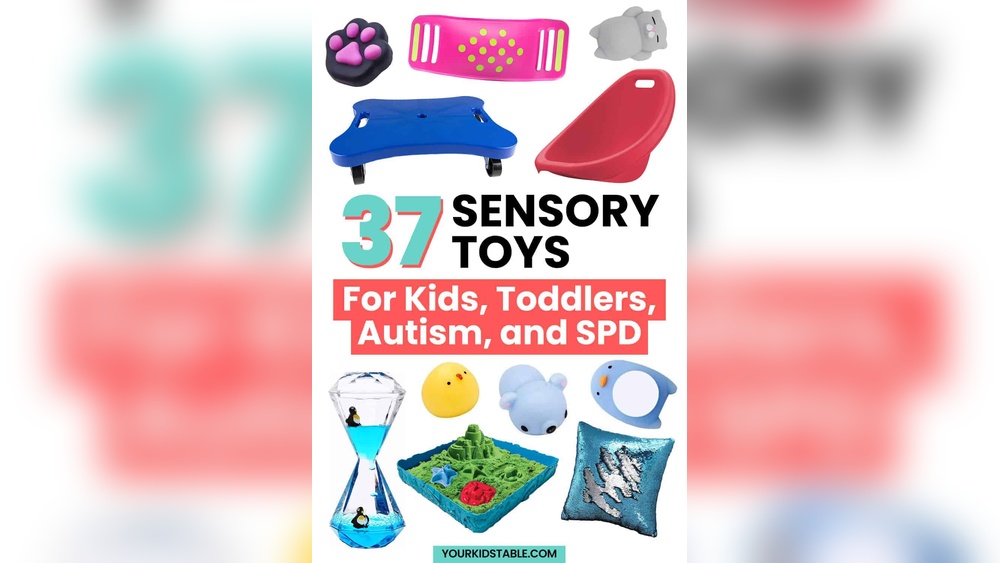
There are many types of sensory toys for kids. Some toys focus on touch, like squishy balls or textured fabrics. Others use sound, such as rattles or musical instruments. Visual toys include bright colors and moving parts. Some toys combine senses, like water tables that children can see and touch.
Many sensory toys also encourage movement. Balance boards and spinning toys help children learn body control. Soft toys with different weights can calm or stimulate a child. Each type targets a different sense to create a full learning experience.
How They Engage The Senses
Sensory toys engage the senses by offering varied experiences. Touch toys may have bumps, grooves, or smooth surfaces. These textures help children learn about different feelings. Sound toys create noises that catch a child’s attention and teach cause and effect.
Visual toys use colors and lights to stimulate sight. Movement toys encourage children to move and balance. This helps develop motor skills and body awareness. By engaging multiple senses, these toys support brain growth and learning.
Using sensory toys often helps children feel calm or focused. They provide a safe way to explore new sensations. This makes learning fun and supports healthy development.
Benefits For Child Development
Sensory toys help children learn and grow in many ways. They offer chances to explore different textures, sounds, and shapes. These toys support a child’s development by engaging their senses and encouraging active play.
Playing with sensory toys can improve brain function and build important skills. They also help kids understand their feelings and the world around them better.
Enhancing Cognitive Skills
Sensory toys stimulate thinking and problem-solving. Children learn cause and effect by pressing buttons or squeezing shapes. These toys improve memory and attention by keeping kids focused on tasks. Exploring different materials helps build language and understanding.
Improving Motor Abilities
Handling sensory toys strengthens hand muscles and coordination. Kids practice grasping, squeezing, and moving objects. These actions improve fine motor skills needed for writing and daily tasks. Gross motor skills develop through toys that encourage movement and balance.
Supporting Emotional Growth
Sensory toys calm children and reduce stress. They offer comfort through soft textures and repetitive motions. Kids learn to express feelings by choosing and interacting with toys. This supports self-regulation and emotional awareness over time.
Choosing The Right Sensory Toys
Choosing the right sensory toys helps children grow and explore safely. Sensory toys support learning and calm the mind. Selecting the best toy depends on the child’s age, needs, and safety. Understanding these points makes the choice easier and more effective.
Age-appropriate Options
Choose toys made for the child’s age group. Younger kids need simple toys with big parts. Older children can use more detailed toys with small pieces. Age-appropriate toys keep kids safe and interested. They also match the child’s skill level and growth.
Considering Sensory Needs
Think about the child’s sensory preferences and challenges. Some kids like soft textures while others prefer firm or bumpy surfaces. Toys with lights or sounds help some children focus. Matching the toy to sensory needs improves playtime and learning.
Safety And Material Tips
Choose toys made from non-toxic and durable materials. Avoid small parts that can cause choking. Check that toys have smooth edges and no sharp points. Clean toys regularly to keep them safe and healthy. Safety should be the top priority in every choice.
Credit: nationalautismresources.com
Popular Sensory Toys For Kids
Sensory toys help children explore their senses and develop important skills. These toys stimulate touch, sight, sound, and movement. They make learning fun and can calm kids during stressful moments.
Popular sensory toys come in many forms. Each type targets different senses and needs. Here are some common categories that many kids enjoy.
Fidget And Stress Relief Toys
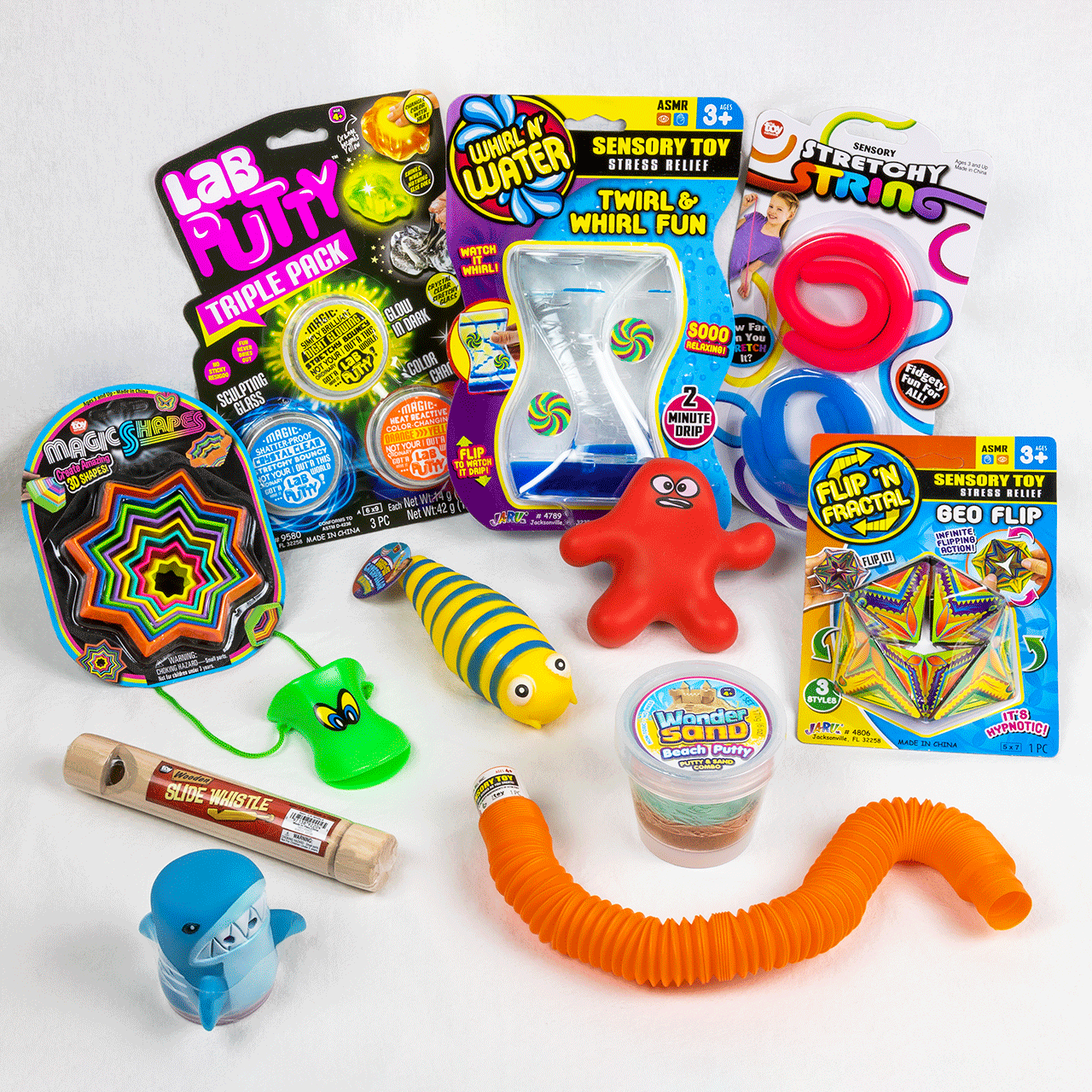
Fidget toys keep hands busy and minds focused. Simple items like spinners, cubes, and squishy balls help reduce anxiety. They improve concentration and provide a calming effect. These toys are small and easy to carry everywhere.
Tactile And Textured Toys
Tactile toys offer different textures to touch and feel. Soft fabrics, bumpy surfaces, and stretchy materials excite the sense of touch. Kids use these toys to explore and learn about different sensations. They support sensory processing and fine motor skills.
Visual And Auditory Stimulators
Visual stimulators include bright colors, lights, and moving parts. They attract children’s eyes and keep their attention. Auditory toys create sounds like bells, rattles, or music. These sounds help develop listening skills and improve focus. Combining sight and sound makes playtime more engaging.
Incorporating Sensory Toys In Learning
Incorporating sensory toys into learning helps children explore and understand their environment. These toys engage the senses, making learning fun and effective. Sensory toys support focus, calmness, and creativity. They fit well in various settings, including homes, classrooms, and therapy sessions.
At Home Activities
Parents can use sensory toys for simple learning tasks. Toys like textured balls or squishy shapes improve hand skills. Playing with water beads or sand encourages touch and sight. These activities keep children curious and engaged. Daily routines become chances to learn through play.
Classroom Integration
Teachers use sensory toys to help students stay attentive. Items like fidget spinners or stress balls reduce restlessness. Sensory bins with different materials support group activities. These tools help children learn better by involving their senses. Classrooms become more inclusive and supportive.
Therapeutic Uses
Therapists use sensory toys to aid children’s development. They help improve motor skills, balance, and coordination. Sensory toys also assist children with anxiety or sensory processing issues. These tools create a calm and safe space for learning. Therapy sessions become more interactive and effective.
Tips For Maximizing Fun And Learning
Maximizing fun and learning with sensory toys helps kids enjoy playtime and grow skills. Sensory toys engage senses like touch, sight, and sound. Using these toys well can boost creativity, focus, and calmness.
Simple tips help make playtime both fun and educational. Watching how children interact with toys guides parents and teachers. Balance and encouragement create the best environment for learning.
Encouraging Exploration
Let children touch, squeeze, and move sensory toys freely. Curiosity leads to discovery and new learning. Ask gentle questions about what they feel or see. Praise their efforts to explore new textures and sounds.
Balancing Structured And Free Play
Combine set activities with open playtime for sensory toys. Guided tasks can teach new skills and concepts. Free play lets kids use their imagination and test ideas. Both types of play support different parts of development.
Monitoring Engagement
Watch how long children play with each toy. Notice signs of boredom or frustration early. Switch toys or change activities to keep interest high. Adjust playtime based on each child’s mood and energy.

Credit: www.amazon.com
Frequently Asked Questions
What Are Sensory Toys For Kids?
Sensory toys are designed to stimulate children’s senses. They support development in touch, sight, sound, and movement. These toys help improve focus, coordination, and motor skills while providing calming effects.
How Do Sensory Toys Benefit Child Development?
Sensory toys boost cognitive and physical growth by engaging multiple senses. They enhance motor skills, language, and social interaction. These toys also aid children with sensory processing challenges.
Which Kids Need Sensory Toys The Most?
Children with sensory processing disorders, autism, or developmental delays benefit most. However, all children gain from sensory play for brain and motor skill development.
What Are Common Types Of Sensory Toys?
Common sensory toys include fidget spinners, textured balls, squishy toys, and musical instruments. These toys offer varied tactile, auditory, and visual stimulation.
Conclusion
Sensory toys help children explore and learn through play. They support focus, calmness, and creativity in kids. Using these toys can make learning fun and easy. Parents and teachers can guide children to use them well. Every child benefits from different types of sensory experiences.
Choose toys that match your child’s needs and interests. Sensory toys create a positive and engaging way to grow. They bring joy and learning together in simple moments. Try adding sensory toys to your child’s daily routine today.
