

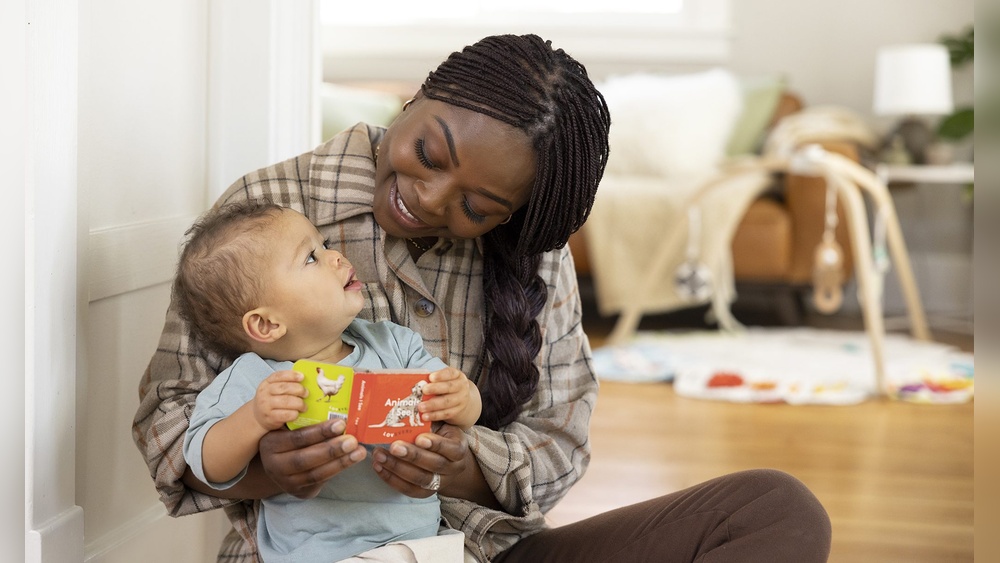
Are you wondering if there are toys that can actually help your baby start talking sooner? It’s exciting to watch your little one discover new sounds and words.
But sometimes, you might ask yourself how you can support this important step. The good news is, certain toys are designed to encourage your baby’s speech and language skills in fun and natural ways. If you want to give your child a head start in talking, keep reading.
You’ll learn which toys can make a real difference and how they work to boost your baby’s language growth.
Benefits Of Talking Toys
Talking toys offer many benefits for babies learning to speak. They provide fun ways to practice sounds and words. These toys help babies gain confidence in talking. They also support brain development linked to language skills. Using talking toys can create a lively learning environment at home. Babies stay engaged and curious about new words.
Encouraging Early Speech
Talking toys invite babies to repeat sounds and words. This practice helps babies try out their first words. Toys with simple phrases catch a baby’s attention easily. Babies hear clear speech patterns and start copying them. Early speech attempts build a strong base for talking.
Building Vocabulary
Talking toys introduce new words in fun ways. Babies learn names of objects, animals, and actions. Repetition helps babies remember and understand these words. Toys with songs and stories add more words naturally. A growing vocabulary makes it easier for babies to express themselves.
Enhancing Listening Skills
Talking toys improve how babies listen and focus. Babies learn to recognize different sounds and tones. Listening to words helps babies notice speech rhythms. Toys that ask questions encourage babies to pay attention. Better listening skills support clearer and faster speaking.
Types Of Toys That Promote Speech
Toys can play a big role in helping babies learn to talk. Different toys encourage listening, repeating sounds, and learning new words. Choosing the right type of toy can make speech practice fun and natural. Here are some toys that support speech development in babies.
Interactive Sound Toys
These toys make sounds when babies press buttons or move parts. They help babies hear words and sounds clearly. Babies can repeat the sounds and try to copy them. This back-and-forth helps babies practice talking skills.
Books With Audio Features
Books that play sounds or words add a fun twist to reading. Babies listen to the words while looking at pictures. This helps connect sounds to objects. Hearing words often helps babies learn to say them.
Talking Plush Animals
Soft toys that talk can be comforting and educational. Babies hear simple words and phrases from these toys. Repeating what the toy says encourages speech practice. These toys make learning to talk feel safe and fun.
Musical Instruments For Babies
Simple instruments like drums or xylophones teach rhythm and sounds. Babies learn to listen carefully and respond with their own sounds. Playing instruments helps babies use their voice and practice making noises. This can lead to better speech skills.
Top Talking Toys For Babies
Talking toys help babies learn new words and sounds. They make learning fun and interactive. These toys encourage babies to speak and listen. Choosing the right toy can boost your baby’s talking skills early on.
Best For Newborns
Soft talking plush toys are great for newborns. They play gentle sounds and simple words. Newborns enjoy hearing calm voices and music. Toys with rattles and crinkly parts also attract their attention. These toys help babies recognize sounds and voices.
Ideal For Toddlers
Toddlers benefit from talking books and interactive dolls. These toys say words and short sentences. Toddlers can press buttons to hear sounds. They learn new words by repeating what they hear. Toys with songs and phrases keep toddlers engaged.
Budget-friendly Options
Simple talking toys do not need to be expensive. Battery-powered sound blocks and small talking animals work well. These toys offer basic words and sounds. They help babies practice speaking without a big cost. Many affordable toys still support language skills.
High-tech Talking Toys
Advanced talking toys use smart technology. They respond to your baby’s voice and actions. Some toys connect to apps for more learning games. These toys adapt to your baby’s growing skills. They provide varied words and interactive play.

Credit: arc-gateway.org
Choosing The Right Toy
Choosing the right toy can make a big difference in helping babies learn to talk. The right toy encourages sounds, words, and interaction. It should match the baby’s needs and abilities. Picking a toy that fits well can keep the baby interested and help develop speech skills.
Age Appropriateness
Toys should match the baby’s age and stage. Babies under six months enjoy toys with bright colors and sounds. Older babies like toys that respond to their actions. Toys that are too advanced can confuse or frustrate them. Age-appropriate toys support learning at a steady pace.
Safety Considerations
Safety is the top priority. Toys must be free of small parts that can be swallowed. Materials should be non-toxic and easy to clean. Look for toys with smooth edges and no sharp points. Safe toys allow babies to explore without risk.
Engagement Level
Toys that catch a baby’s attention help speech development. Choose toys that make sounds or talk back. Toys that encourage babbling and repeating words work well. Interactive toys keep babies focused and eager to learn. High engagement means more practice and fun.
Durability And Materials
Toys should be strong and last through rough play. Babies often chew and drop toys. Durable materials like wood or hard plastic work best. Soft fabrics should be washable. Durable toys remain safe and useful for longer periods.
Tips For Using Talking Toys Effectively
Talking toys can be great tools for helping babies learn to talk. Using these toys the right way makes a big difference. Simple steps can make playtime both fun and educational. Here are key tips for using talking toys effectively to support your baby’s speech development.
Interactive Playtime
Spend time playing with your baby using the talking toy. Let the toy speak, then watch your baby’s reaction. Pause often to give your baby a chance to respond or touch the toy. Make playtime a shared experience, not just the toy talking alone. Your attention encourages your baby to pay closer attention and engage more.
Combining Toys With Conversation
Use the talking toy as a starting point for your own words. Repeat the toy’s sounds or words clearly. Say simple sentences that describe what the toy is doing or naming objects. This shows your baby how talking works in real life. Your voice helps connect the toy’s sounds to real meanings.
Encouraging Repetition And Response
Repeat key words or sounds from the toy often. Repetition helps babies remember and learn new words. Encourage your baby to copy sounds or words by smiling and clapping. Praise any attempts to talk, even if they are not perfect. This builds confidence and motivates your baby to keep trying.
Credit: www.walmart.com

Credit: ahs.illinois.edu
Frequently Asked Questions
What Types Of Toys Help Babies Start Talking?
Toys with sounds, pictures, and interactive features encourage baby talking. Examples include talking books, musical toys, and puppets. These toys stimulate listening and mimicry skills.
How Do Talking Toys Improve Language Skills?
Talking toys expose babies to new words and sounds. They encourage repetition and engagement. This interaction supports vocabulary growth and speech development.
When Should I Introduce Talking Toys To My Baby?
Introduce talking toys around 6 months when babies recognize sounds. Early exposure helps babies link sounds to objects and actions, boosting language skills.
Can Electronic Toys Delay Baby Talking Development?
No, quality electronic toys designed for learning promote talking. Avoid passive screen time and choose interactive, educational toys to support speech milestones.
Conclusion
Toys can play a big role in helping babies learn to talk. Simple, colorful toys with sounds or pictures catch their attention. They encourage babies to copy sounds and words. Parents can join in, making playtime a fun learning time.
Talking toys are tools, not magic fixes. Patience and daily practice matter most. Choose toys that match your baby’s interests and age. With time, talking will grow naturally. Keep the environment happy and full of words. Every small step counts toward better speech skills.
