

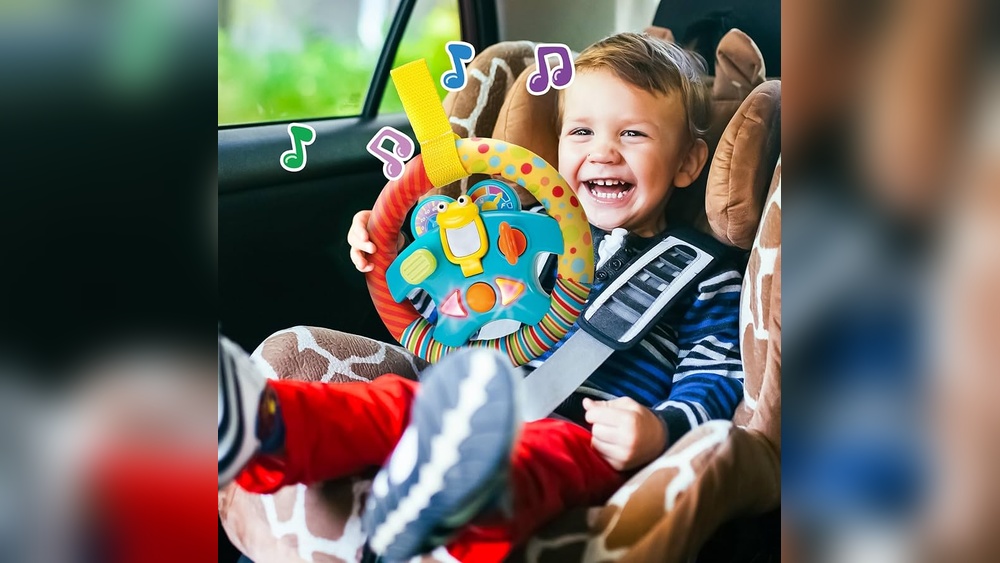
Have you ever noticed your toddler clutching the same toy no matter where they go? That special attachment might seem simple, but it actually reveals a lot about how your little one feels and learns.
Understanding why your child forms strong bonds with certain toys can help you support their growth and comfort in amazing ways. Keep reading to discover the surprising reasons behind these favorite toys and how they play a big role in your toddler’s world.
Credit: holidaybarn.com
Early Emotional Bonds
Toddlers form strong emotional bonds with certain toys early in life. These toys become more than just playthings. They act as sources of comfort and familiarity. This bond helps toddlers feel safe and calm. It supports their growing independence and emotional development.
Comfort And Security
Toddlers often use favorite toys to feel secure. These toys provide a sense of comfort during new or stressful times. Holding or cuddling a toy can calm a child quickly. The toy acts like a small, constant friend. It helps toddlers manage feelings of fear or anxiety.
Familiarity And Routine
Toys linked to daily routines become very important. They help toddlers understand the world around them. A favorite toy during bedtime or mealtime creates a comforting pattern. This familiarity supports emotional stability. It also makes transitions between activities easier for the child.
Developmental Benefits
Toddlers often hold strong attachments to specific toys. These toys help their growth in many ways. Playing with favorite toys supports key skills that children need. Their minds and bodies develop through play. Favorite toys act as tools for learning and discovery.
The benefits go beyond fun. These toys shape how toddlers think and move. They encourage creativity and help build physical strength. Understanding these benefits shows why toddlers cling to certain toys.
Encouraging Imagination
Toys spark a toddler’s imagination. A simple doll or car can turn into many things. This play lets children create stories and explore ideas. Imaginative play builds problem-solving skills. It also helps toddlers understand the world around them. Favorite toys become characters or tools in their mental stories. This kind of play supports brain growth and creativity.
Supporting Motor Skills
Toddlers improve their motor skills through toy play. Holding, pushing, or stacking toys strengthens hand muscles. These actions develop fine motor skills needed for writing and drawing. Moving larger toys helps improve balance and coordination. Toys that require action teach toddlers control and precision. Regular play with favorite toys shapes physical abilities step by step.
Sensory Appeal
Toddlers often bond with certain toys because these toys appeal to their senses. Sensory appeal means toys catch their attention through touch, sight, sound, or movement. These senses help toddlers explore and learn about the world. Toys that stimulate senses become favorites quickly. They provide comfort and joy. Understanding sensory appeal helps explain why some toys become special to toddlers.
Textures And Colors
Toddlers love toys with different textures. Soft, smooth, rough, or bumpy surfaces invite touch. These textures feel interesting and fun. Bright colors also attract toddlers. Colors like red, yellow, and blue grab their eyes. Toys with multiple colors hold their focus longer. Textures and colors together make toys exciting and soothing.
Sounds And Movements
Toys that make sounds catch toddlers’ attention. Bells, rattles, or crinkling noises create curiosity. Sounds teach cause and effect, which toddlers enjoy. Moving toys also fascinate toddlers. Spinning wheels, bouncing balls, or wagging tails invite play. Movement helps toddlers understand action and reaction. Sounds and movements make toys lively and engaging.

Credit: www.lowes.com
Social And Cognitive Factors
Toddlers often form strong bonds with certain toys. These attachments are not random. Social and cognitive factors play a big role in why children favor specific toys.
Children learn by watching others. They copy the actions of people around them. This helps build their understanding of the world.
Imitating Caregivers
Toddlers see their caregivers use objects daily. They mimic these actions to feel closer to them. Holding a toy phone or stuffed animal can remind them of their parents.
This imitation helps toddlers practice social roles. They learn how to care, share, and express emotions. Toys become tools for this learning.
Building Social Connections
Toys also help toddlers connect with friends and family. Playing with the same toy creates shared experiences. This strengthens their social bonds.
Through play, toddlers explore feelings like trust and friendship. These moments teach them how to interact with others. Attachment to toys supports this social growth.
Attachment And Personality
Toddlers form strong attachments to certain toys because these objects connect deeply with their personality. Each child has a unique way of seeing the world. Their toys often reflect these personal traits. Toys become more than playthings; they turn into companions that match a toddler’s character.
These attachments help toddlers express themselves and feel safe. Toys offer comfort during new or challenging moments. They support emotional growth and personal exploration. Understanding this link between attachment and personality reveals why some toys become favorites.
Individual Preferences
Toddlers choose toys based on their interests and moods. Some prefer soft, cuddly toys, while others like bright, noisy ones. These choices reflect their tastes and how they interact with their surroundings. A shy child might hold a quiet, plush toy close. An active child may prefer toys that move or make sounds. These preferences show each child’s unique personality.
Emotional Expression
Toys help toddlers show feelings they cannot yet explain with words. A favorite doll or stuffed animal might become a friend during times of joy or fear. Toddlers often talk to or hug their toys to express happiness or calm down. These toys act as emotional outlets. They help children practice care and empathy. This emotional bond strengthens the toddler’s sense of security and self-understanding.

Credit: www.amazon.com
Parental Influence
Parents play a big role in shaping a toddler’s attachment to toys. Children watch their parents closely. Parents’ choices and behaviors influence what toys kids prefer and love. This parental impact starts early and grows over time.
Gift Choices
Parents decide which toys to give their toddlers. These choices affect what toys become special. A toy gifted by a parent feels more important to a child. The child may see it as a symbol of love and care. This feeling helps create a strong bond with that toy.
Modeling Attachment
Children learn from watching their parents. If parents show care for certain objects, children copy this behavior. For example, a parent treating a stuffed animal gently teaches the child to do the same. Toddlers often mirror these actions and develop attachments to similar toys. This modeling helps toddlers understand how to value their toys.
Managing Toy Attachment
Toddlers often form strong bonds with certain toys. These toys bring comfort and a sense of security. Managing this attachment helps children grow socially and emotionally. Parents can guide toddlers gently through this process. It is important to balance comfort with new experiences. This encourages healthy development and adaptability.
Encouraging Sharing
Sharing toys can be hard for toddlers. Their favorite toy feels very special. Start by setting small sharing goals. Praise your child when they share even a little. Use simple words to explain why sharing matters. Make sharing fun with games or role-play. This builds positive feelings around giving and taking. Over time, toddlers learn to enjoy sharing their toys.
Introducing New Toys
New toys can distract toddlers from their favorites. Introduce new toys slowly and calmly. Let your child explore the new toy alone first. Show excitement about the new toy yourself. Offer the new toy alongside the old favorite. This helps toddlers feel safe and curious. Rotate toys regularly to keep interest fresh. Toddlers learn to accept change and try new things.
Frequently Asked Questions
Why Do Toddlers Prefer Specific Toys Over Others?
Toddlers prefer certain toys due to comfort, familiarity, and emotional security. These toys often help them feel safe and calm. Attachment forms as toddlers associate toys with positive experiences or parental presence, making these toys special and reassuring during stress or new situations.
How Do Attachment Toys Help Toddler Development?
Attachment toys support toddlers’ emotional growth by providing comfort and stability. They encourage self-soothing and independence while fostering a sense of security. These toys also aid cognitive development through imaginative play, helping toddlers explore emotions and social skills safely.
Can Attachment To Toys Affect Toddler Behavior?
Yes, attachment to toys can influence toddler behavior positively. It reduces anxiety and promotes calmness in unfamiliar settings. However, strong dependence on one toy may cause distress if the toy is lost. Balancing attachment with gradual exposure to new experiences is beneficial.
When Do Toddlers Typically Form Attachment To Toys?
Toddlers usually form attachments to toys between 12 to 24 months. During this period, they develop emotional bonds and recognize comfort objects. This phase coincides with their growing need for security and routine in a rapidly changing environment.
Conclusion
Toddlers form bonds with toys for comfort and security. These toys help them explore feelings safely. They also support learning and imagination every day. Familiar toys create a sense of routine and trust. Children feel happy and calm with their favorite items.
Understanding this helps parents support healthy growth. Watching how toddlers interact with toys reveals their needs. These attachments are a natural part of childhood. They show how toddlers connect with their world. Encouraging this helps build strong emotional skills early.
