

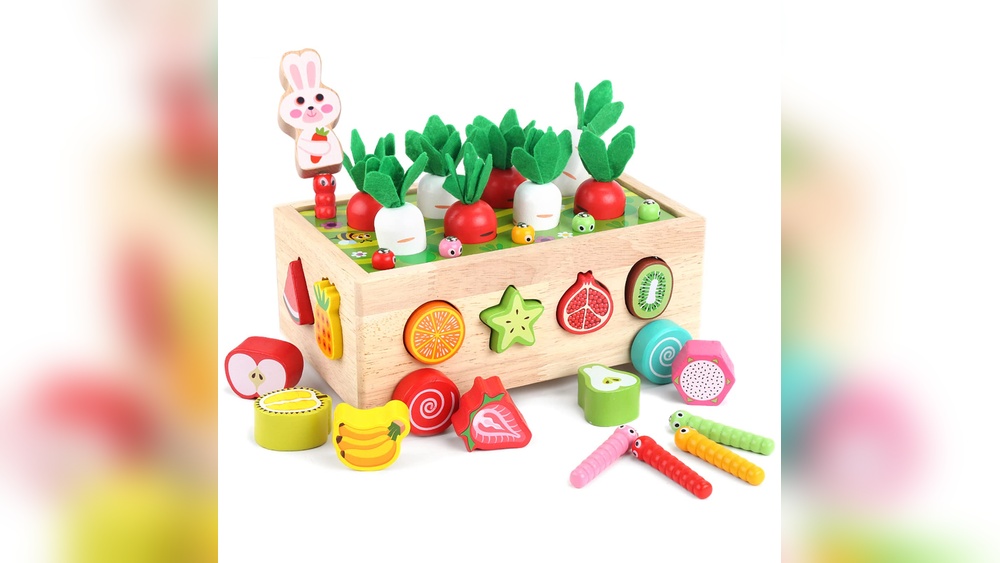
Are you wondering if your toddler really needs educational toys? You might think any toy will do, but the right ones can make a big difference in your child’s growth.
Imagine giving your little one tools that help their brain develop, spark curiosity, and build important skills—all while having fun. You’ll discover why educational toys matter and how they can shape your toddler’s future. Keep reading to find out how you can make smart choices that support your child’s learning every day.
Why Educational Toys Matter
Educational toys play a key role in a toddler’s growth. They offer more than fun. These toys help build important skills for life. Toddlers learn by playing. The right toys guide their learning and development. They shape how children think, move, and create.
Boosting Cognitive Skills
Educational toys help improve thinking and understanding. Puzzles and matching games teach problem-solving. Toddlers learn to recognize shapes, colors, and numbers. These toys build memory and attention. They also encourage curiosity and exploration. Such skills prepare toddlers for school and daily life.
Enhancing Motor Development
Toddlers develop hand-eye coordination through play. Blocks and stacking toys strengthen small muscles. Manipulating objects improves finger control. Gross motor skills grow with ride-on toys and balls. These activities support balance and movement. Strong motor skills help toddlers gain independence.
Encouraging Creativity
Creative toys inspire imagination and self-expression. Art supplies and building sets let toddlers create freely. Role-play toys encourage storytelling and social skills. These toys help children explore ideas and feelings. Creativity builds confidence and problem-solving abilities. It makes learning joyful and meaningful.

Credit: storytoys.com
Types Of Educational Toys
Educational toys help toddlers learn while they play. They teach skills like problem-solving, creativity, and coordination. Different types of toys focus on different learning areas.
Choosing the right educational toy can make learning fun and easy. Here are some popular types of educational toys for toddlers.
Building And Construction Sets
These sets include blocks, bricks, and other pieces to stack and join. Toddlers develop hand-eye coordination and fine motor skills. They learn about shapes, sizes, and balance. Building toys encourage creativity and patience. They also help children understand cause and effect.
Interactive Learning Toys
These toys respond to a child’s actions with sounds, lights, or movements. They teach letters, numbers, and simple words. Toddlers practice listening and speaking skills. Interactive toys hold a child’s attention longer. They make learning active and engaging.
Art And Craft Supplies
Crayons, paints, and paper let toddlers express themselves. Art helps develop fine motor skills and hand control. Children learn colors, shapes, and textures. Craft activities boost creativity and imagination. These supplies also improve focus and patience.
Choosing The Right Toys
Choosing the right toys for toddlers is important for their growth and fun. The right toys help children learn new skills and keep them interested. Parents and caregivers should think about many things before buying toys. The goal is to find toys that support learning while being safe and enjoyable.
Age-appropriate Options
Toys should match a toddler’s age and skill level. Too hard or too easy toys can cause frustration or boredom. Look for toys labeled with age ranges to guide your choice. Simple puzzles, blocks, and shape sorters work well for young toddlers. These toys build basic skills like hand-eye coordination and problem-solving.
Safety Considerations
Safety is the top priority when picking toys for toddlers. Choose toys without small parts that can be swallowed. Materials should be non-toxic and sturdy. Avoid toys with sharp edges or loose pieces. Check for safety certifications from trusted organizations. Clean toys often to keep germs away.
Aligning With Interests
Toddlers learn best when they enjoy the toy. Notice what your child likes to do naturally. Some toddlers enjoy building, others like music or animals. Pick toys that match these interests to keep them engaged. This helps children explore and learn with joy and curiosity.

Credit: www.mindware.orientaltrading.com
Impact On Social Skills
Educational toys play a key role in helping toddlers develop social skills. These skills help children interact well with others. Early social learning sets a strong foundation for future relationships. Toddlers learn how to play, share, and communicate. Toys designed for learning encourage these important behaviors.
Promoting Sharing And Cooperation
Toys that require turn-taking teach sharing. Toddlers learn patience and fairness through play. Cooperative games and group activities help children work together. They practice waiting for their turn and helping friends. These experiences build kindness and teamwork skills early on.
Building Communication Abilities
Educational toys can encourage talking and listening. Puzzles, dolls, and role-play sets invite children to use words. Toddlers practice expressing ideas and feelings. They also learn to understand others by listening carefully. These activities improve both speaking and listening skills.
Balancing Play And Learning
Balancing play and learning helps toddlers grow happily and healthily. Play sparks curiosity and joy. Learning builds skills and understanding. Both are important for young minds. Striking the right balance makes playtime both fun and useful.
Too much focus on learning can feel like work to toddlers. Too much play without guidance may miss teaching moments. Finding the middle ground supports growth in many ways.
Avoiding Overstimulation
Toddlers can get overwhelmed by too many toys or activities. Bright colors, loud noises, and many choices may stress them out. Overstimulation leads to fussiness and loss of interest.
Choose a few simple toys at a time. Let toddlers explore one thing deeply. Calm environments help children focus better. Quiet moments after play restore energy and attention.
Encouraging Free Play
Free play lets toddlers use their imagination and creativity. They learn by trying new ideas and solving problems on their own. No strict rules or instructions are needed.
Provide safe spaces and open-ended toys like blocks or dolls. Watch and join only when invited. Free play builds confidence and independence in young children.
Tips For Parents And Caregivers
Parents and caregivers play a key role in a toddler’s learning journey. Educational toys can help, but how they are used matters most. Simple tips can make playtime more fun and useful for your child.
Incorporating Toys In Daily Routine
Make educational toys part of daily activities. Place toys in easy-to-reach spots. Let your toddler pick what they want to play. Use toys during meals, bath time, or quiet moments. This helps children learn naturally without pressure.
Engaging Together During Play
Spend time playing with your toddler. Talk about the colors, shapes, and sounds of toys. Ask simple questions to encourage thinking. Show how to use toys properly. Your involvement boosts their interest and learning.

Credit: www.amazon.com
Frequently Asked Questions
Do Toddlers Benefit From Educational Toys?
Yes, educational toys help toddlers develop cognitive and motor skills. They promote creativity, problem-solving, and early learning in a fun way.
When Should Toddlers Start Using Educational Toys?
Toddlers can start using educational toys as early as 12 months. Age-appropriate toys support early development milestones effectively.
What Types Of Educational Toys Suit Toddlers Best?
Toys like building blocks, shape sorters, and interactive books suit toddlers. These encourage hand-eye coordination, language, and sensory skills.
Can Educational Toys Improve Toddler’s Language Skills?
Yes, educational toys with sounds and words boost toddlers’ language abilities. They introduce vocabulary and encourage communication through play.
Conclusion
Educational toys help toddlers learn and grow every day. They build skills like thinking, talking, and moving. Toddlers enjoy playing and discover new things. Parents can choose toys that match their child’s interests. Simple toys often teach the most important lessons.
Playtime becomes a chance to explore and have fun. Giving toddlers these tools supports their early development. Small steps lead to big progress later on. Educational toys are not a must but a helpful choice. They add value to a child’s world and learning journey.
