

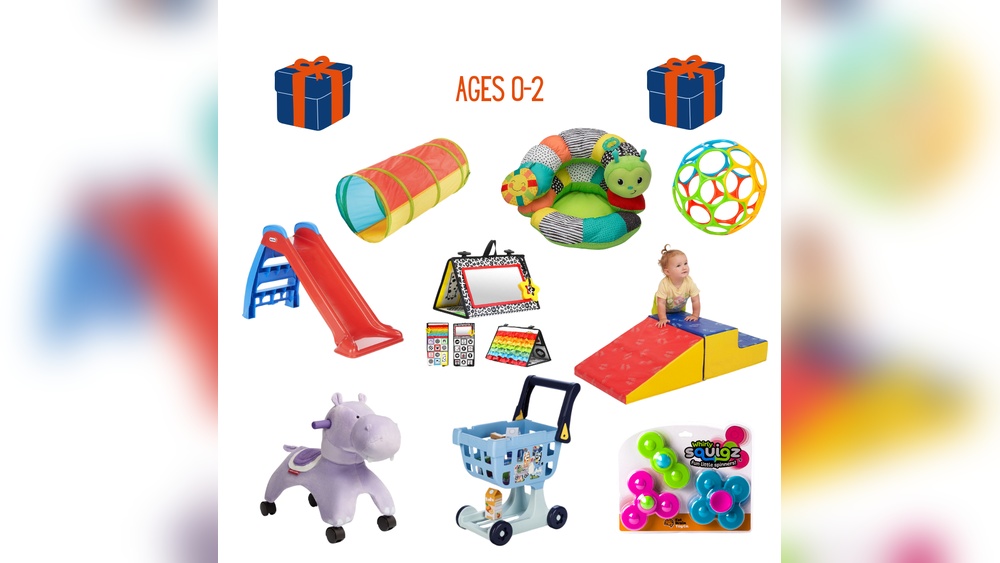
Have you ever watched a toddler wobble on their feet and wondered how they learn to keep their balance? Toys play a surprising but powerful role in helping your little one build this important skill.
When your child plays with the right toys, they’re not just having fun—they’re training their body and brain to stay steady. Imagine giving your toddler the tools to move confidently and safely every day. Keep reading to discover how the simple act of playing can transform your child’s balance and coordination, setting them up for success as they grow.
Role Of Toys In Balance Development
Toys play a key part in helping toddlers learn balance. They encourage movement and practice. This helps children gain control over their bodies. Playing with the right toys builds strength and confidence. It also makes learning balance fun and natural.
Through play, toddlers explore how their bodies move. Toys challenge them to stand, reach, and move safely. These activities improve their ability to stay steady and avoid falls. Toys create a safe space for trying new skills.
Motor Skills And Coordination
Toys that require pushing, pulling, or climbing help develop motor skills. These actions teach toddlers to use their muscles in a balanced way. They learn how to move arms and legs together smoothly. This coordination supports better control of body movements.
Balance improves as toddlers coordinate their steps and hand movements. Riding toys or stacking blocks are great tools. They encourage careful movements and quick adjustments. This practice strengthens muscles and sharpens coordination.
Sensory Feedback And Body Awareness
Toys that give sensory feedback help toddlers know their body position. Soft balls, textured surfaces, and wobble boards provide this feedback. Toddlers feel changes in pressure and movement. This helps them understand how to adjust their balance.
Body awareness grows as toddlers sense shifts and tilts. They learn to keep steady by feeling their body’s position. Toys that challenge balance help children practice this skill. This awareness is a foundation for safe and confident movement.
Types Of Toys That Boost Balance
Balance is a key skill toddlers need to grow strong and confident. Toys that focus on balance help children improve their coordination and body control. These toys make learning fun and active. They challenge toddlers to move carefully and stay steady.
Different types of toys support balance development in unique ways. Some encourage movement, while others improve focus and hand-eye coordination. Choosing the right toys can help toddlers develop balance naturally.
Ride-on Toys
Ride-on toys let toddlers sit and move their legs to push forward. These toys build leg strength and coordination. Children learn to steer and keep their body steady as they move. Ride-on toys improve balance by teaching control of speed and direction.
Balance Boards And Beams
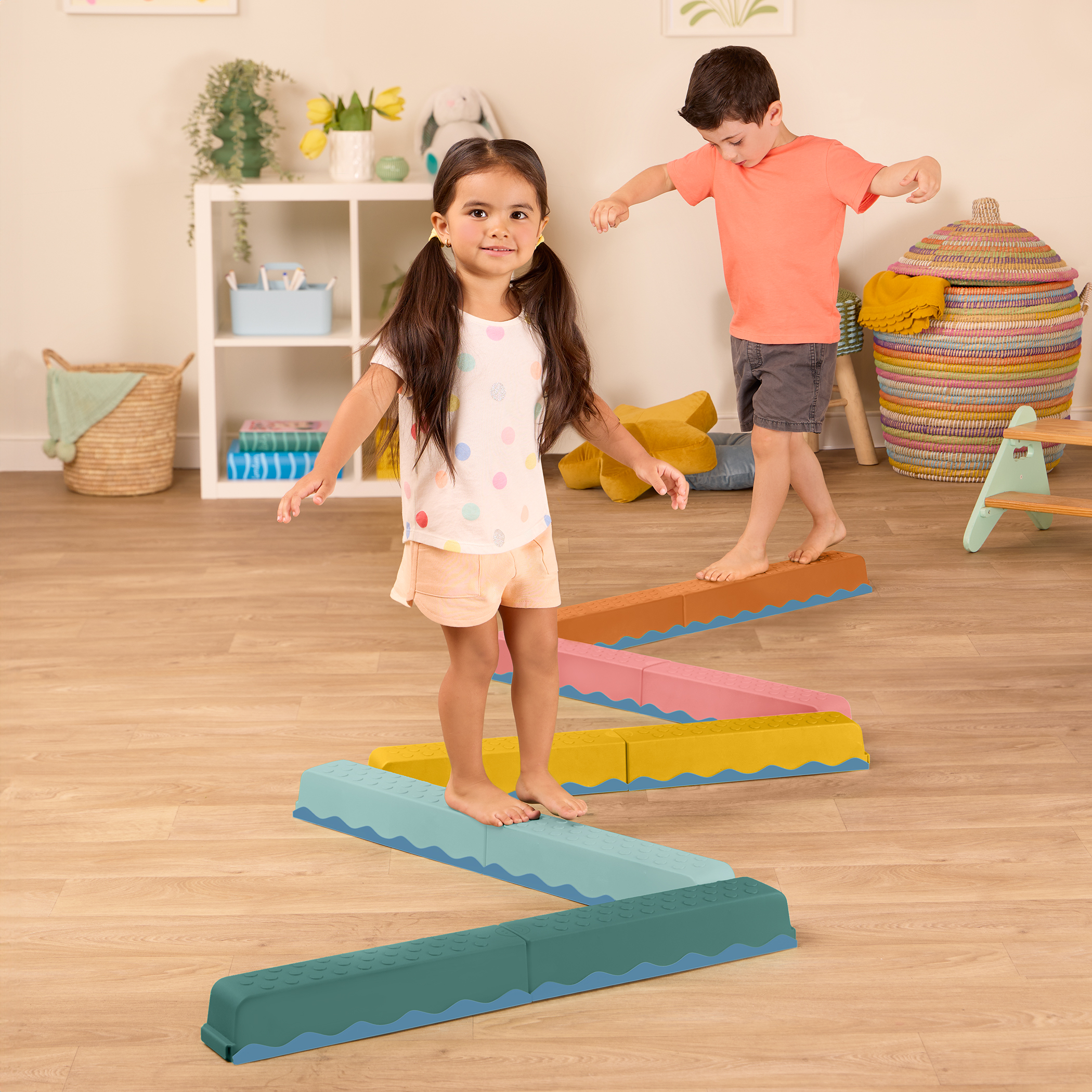
Balance boards and beams challenge toddlers to stand and walk carefully. These toys require focus and muscle control. Walking on a beam or rocking on a board helps toddlers feel their center of balance. These activities build core strength and improve stability.
Stacking And Building Blocks
Stacking and building blocks need steady hands and good eye coordination. Toddlers must balance blocks to build towers. This activity improves fine motor skills and concentration. Balancing blocks also teaches patience and careful movements.
Benefits Of Balance-enhancing Toys
Balance-enhancing toys play a key role in toddler development. They support physical skills and help toddlers learn control over their bodies. These toys encourage movement and coordination in a fun way.
Using these toys, toddlers practice staying steady and moving safely. This practice builds important skills for daily activities and future learning.
Improved Stability And Posture
Toys like balance boards and stepping stones help toddlers stand and walk better. They teach the body to stay upright and steady. Good posture starts early with these simple activities. Toddlers learn to control their muscles and balance their weight.
Enhanced Confidence And Independence
Trying new balance toys boosts a toddler’s self-trust. As they succeed, they feel proud and ready for new challenges. This confidence helps them try other physical tasks alone. Balance toys encourage toddlers to explore safely by themselves.
Better Cognitive And Physical Growth
Balance toys also improve brain development. Moving and balancing require focus and problem-solving skills. Toddlers learn to plan their moves and react quickly. These activities support both body strength and mental sharpness.

Credit: www.amazon.com
Safe Play Tips For Toddlers
Playing with toys helps toddlers develop balance safely. Safe play tips protect children while they explore and learn. Creating a safe space encourages confidence and fun.
Choosing Age-appropriate Toys
Select toys made for toddlers’ age and skill level. Toys that are too advanced may cause falls or injuries. Soft, stable toys help build balance without risk. Check labels for age recommendations before buying.
Supervision And Environment Setup
Always watch toddlers during playtime to prevent accidents. Clear the play area of sharp or hard objects. Use soft mats or carpets to cushion falls. Keep toys organized to avoid tripping hazards.
Encouraging Regular Playtime
Set daily times for active play to improve balance skills. Short, frequent sessions work better than long ones. Praise efforts to build confidence and interest. Regular practice helps toddlers gain steady control over their movements.
Incorporating Balance Toys Into Daily Routine
Incorporating balance toys into a toddler’s daily routine helps build strong muscles and coordination. These toys encourage movement and focus, which are key for balance development. Consistent play with balance toys supports confidence and physical skills. It also makes learning fun and natural. Daily activities can include short sessions with different balance toys to keep toddlers engaged and motivated.
Using balance toys regularly helps toddlers improve without feeling pressured. Small steps and regular practice allow steady progress. Parents and caregivers can join in to make the experience social and enjoyable. Simple routines with balance toys create healthy habits and support overall growth.
Creative Play Ideas
Balance toys can be part of many fun games. Toddlers can try walking on balance beams made from cushions or wooden planks. Using a wobble board while pretending to surf or skate adds excitement. Setting up obstacle courses with balance boards and stepping stones encourages movement and challenge. Play can include dancing or balancing on one foot to music. These ideas keep toddlers interested and active while learning.
Balancing Fun With Learning
Balance toys teach toddlers about body control and focus. Parents can ask simple questions about movement, like “Can you stand on one foot?” or “How long can you balance?” Counting seconds or trying different poses adds learning. Praise and encouragement motivate toddlers to try again. Mixing fun and learning helps toddlers enjoy the process and develop skills naturally.
Tracking Progress And Milestones
Keep a simple record of balance skills to see growth. Note how long a toddler can balance or new tricks they try. Small improvements, like standing longer or walking without help, show progress. Celebrate these moments to boost confidence. Tracking milestones helps adjust activities to match the toddler’s abilities and keep them challenged.
Credit: mybtoys.com

Credit: www.amazon.com
Frequently Asked Questions
How Do Toys Improve Toddler Balance Skills?
Toys encourage toddlers to practice coordination and stability. Activities like climbing, rocking, and balancing develop core muscles. This helps toddlers gain confidence in movement and control their body better.
Which Toys Best Support Toddler Balance Development?
Balance boards, rocking horses, and ride-on toys are excellent. These toys challenge toddlers to stabilize themselves and improve motor skills. They also promote physical activity and sensory exploration.
When Should Toddlers Start Using Balance Toys?
Toddlers can start using simple balance toys around 12 to 18 months. Early introduction helps build strength and coordination gradually. Always supervise to ensure safety during playtime.
Can Toys Prevent Balance-related Developmental Delays?
Yes, toys that promote active play can reduce delays. They stimulate muscle growth and spatial awareness. Consistent playtime with balance toys supports healthy physical development.
Conclusion
Toys play a big role in helping toddlers gain balance. They encourage movement and practice in a fun way. Toddlers learn to stand, walk, and stay steady using different toys. This helps their muscles grow stronger and their coordination improve.
Parents can choose simple toys that are safe and easy to use. Watching toddlers play shows how they build skills step by step. Balance is important for all their daily activities and future learning. Using toys for balance makes growing up a joyful experience.
Keep encouraging play to support your child’s healthy development.
