

Have you ever noticed how your toddler’s tiny hands struggle to pick up a toy or stack blocks? What if you could turn playtime into a powerful way to boost their coordination?
Toys are more than just fun—they’re essential tools that help your little one learn how to move, grasp, and balance with confidence. You’ll discover simple ways toys can improve your toddler’s coordination and why choosing the right ones matters. Keep reading, because what you learn here could change how your child plays—and grows.

Credit: www.amazon.com
Role Of Toys In Motor Skills
Toys play a key role in helping toddlers develop motor skills. They encourage movement and practice. Toys make learning fun and hands-on. Toddlers explore their bodies and surroundings through play. This exploration builds coordination and control.
Fine Motor Development
Toys help toddlers improve fine motor skills. These skills involve small hand and finger movements. Puzzles, blocks, and shape sorters require precise grasping. Toddlers learn to hold, pinch, and release objects. These actions strengthen hand muscles and improve dexterity. Fine motor skills are important for writing and self-care tasks.
Gross Motor Growth
Toys also support gross motor development. These skills involve large muscle groups. Ride-on toys, balls, and push toys encourage walking, running, and jumping. Toddlers practice balance and coordination with these activities. Gross motor skills help toddlers move confidently and safely. Active play with toys builds strength and endurance.
Types Of Toys For Coordination
Toys play a big role in helping toddlers develop coordination skills. Different types of toys focus on various movements and hand-eye coordination. Choosing the right toys encourages toddlers to practice these skills naturally. Here are some effective toys that support coordination in young children.
Stacking And Sorting Toys
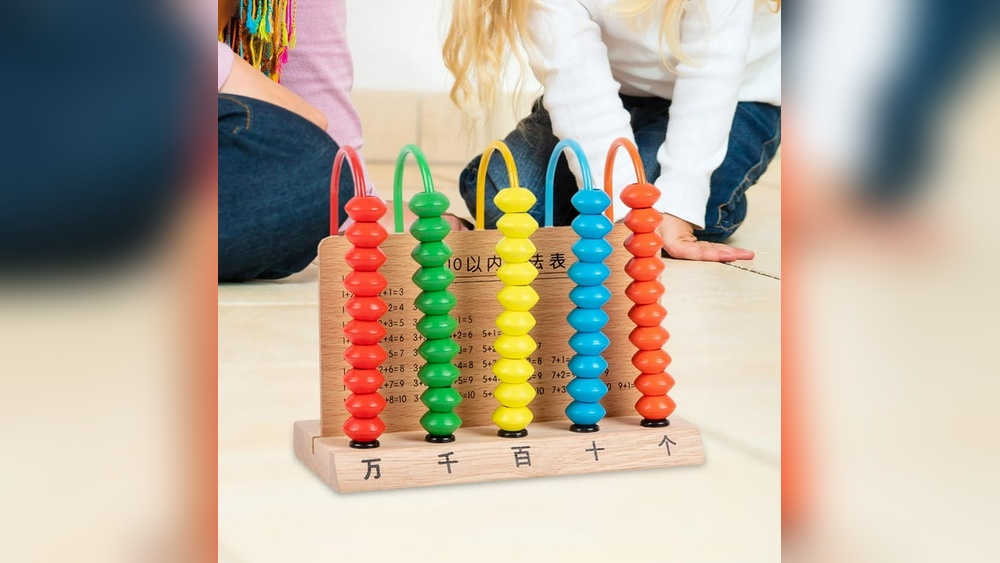
Stacking and sorting toys help toddlers improve hand control and fine motor skills. These toys ask children to place one object on top of another or sort shapes by size and color. Playing with stacking blocks or sorting rings teaches focus and precision. It also helps toddlers learn about balance and spatial awareness.
Push And Pull Toys
Push and pull toys encourage toddlers to move their bodies and coordinate their arms and legs. These toys often have wheels and handles for toddlers to hold while walking. Using push and pull toys strengthens muscles and improves balance. Toddlers learn to control their steps and timing as they push or pull the toy forward.
Balls And Catch Games
Balls and catch games build hand-eye coordination and timing skills. Toddlers practice catching, throwing, and rolling balls of different sizes. These activities develop motor planning and focus. Playing catch also promotes social interaction and turn-taking, which are important for overall growth.
Benefits Of Play For Skill Boost
Toys play a big role in helping toddlers grow their skills. Play helps children learn by using their bodies and minds. Toddlers develop better coordination through fun activities with toys. Each type of play targets different skills that support their growth.
Playing with toys builds important connections in the brain. These connections improve how toddlers control their movements. Skill-building through play also helps children feel more confident and ready to explore.
Hand-eye Coordination
Hand-eye coordination means using eyes and hands together smoothly. Toys like building blocks and puzzles help toddlers practice this skill. Picking up small pieces and placing them correctly trains their eyes and hands to work as a team. This skill is important for writing and drawing later.
Balance And Stability
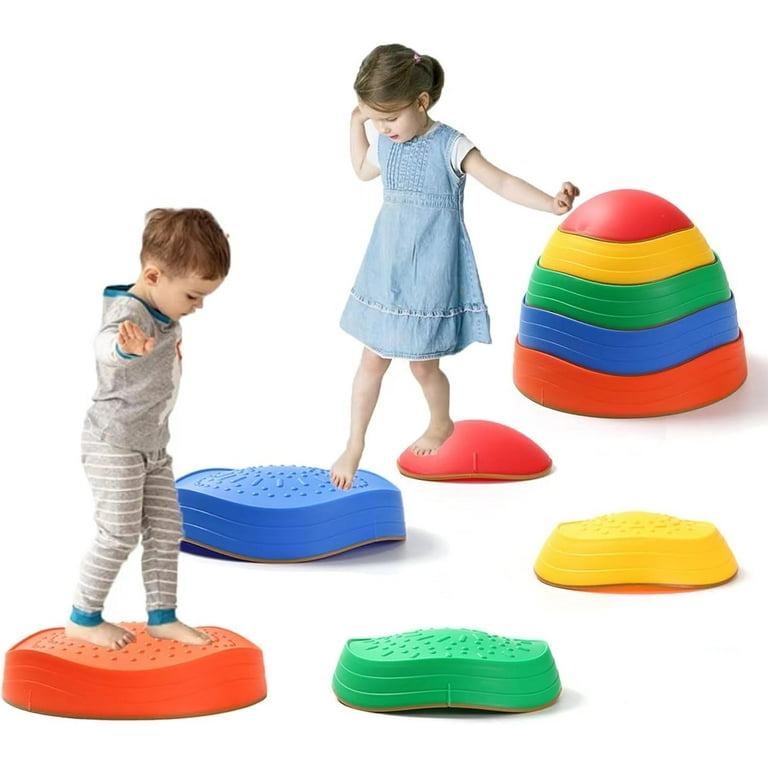
Balance helps toddlers stay steady while moving or standing. Toys such as ride-on cars or balance boards encourage children to control their body weight. This practice strengthens their muscles and improves stability. Better balance lowers the risk of falls and builds confidence in moving around.
Spatial Awareness
Spatial awareness means understanding where the body is in space. Playing with shape sorters and stacking toys teaches toddlers to recognize sizes and distances. This skill helps them navigate spaces safely and understand directions. Good spatial awareness supports problem-solving and play skills.
Credit: www.walmart.com
Choosing The Right Toys
Choosing the right toys plays a key role in helping toddlers develop coordination. The right toys support their growing skills and keep them interested. Toys should match the child’s stage of development. This helps build hand-eye coordination, balance, and fine motor skills. Picking safe and suitable toys creates a positive learning experience for toddlers. It also encourages them to explore and try new movements.
Age-appropriate Selection
Select toys that fit the toddler’s age and ability. Toys too advanced can cause frustration. Toys too simple might not challenge them enough. Look for items designed for toddlers aged 1 to 3 years. Blocks, shape sorters, and stacking toys are good options. These toys promote grasping, reaching, and hand movement. They also help toddlers practice problem-solving skills while playing.
Safety Considerations
Safety is very important when choosing toys for toddlers. Avoid small parts that can cause choking. Make sure toys are made from non-toxic materials. Check for sturdy construction to prevent breakage. Smooth edges reduce the risk of cuts or scrapes. Always read labels for safety warnings. Safe toys let toddlers explore freely without harm. This builds confidence and helps develop coordination naturally.
Tips To Enhance Playtime
Playtime is a great chance to help toddlers improve their coordination skills. Using toys in smart ways makes learning fun and effective. Simple steps can turn play into a valuable skill-building session.
Focus on activities that keep toddlers active and interested. Use toys that challenge their hands, eyes, and balance. Small changes in how you play can make a big difference.
Interactive Play Strategies
Join your toddler during play to guide their movements. Use toys that require pushing, pulling, or stacking. Ask questions like “Can you put the block here?” This makes toddlers think and move carefully.
Try games that involve catching or tossing soft balls. These encourage hand-eye coordination. Mirror your toddler’s actions to show how to play. Interaction keeps toddlers focused and motivated.
Encouraging Repetition And Practice
Repeating simple tasks helps toddlers get better at coordination. Let them try stacking blocks many times. Cheer their efforts to boost confidence. Short, frequent play sessions work best.
Use the same toy in different ways to keep interest high. Practice helps toddlers learn how their bodies move. Watching progress makes toddlers proud and eager to try more.

Credit: www.amazon.com
Signs Of Progress In Coordination
Watching toddlers play with toys reveals how their coordination improves. These signs help parents and caregivers understand the child’s growth. Coordination involves moving different body parts smoothly and together. Toys encourage practice, making these skills clearer over time.
Milestones To Watch
Toddlers begin to reach, grasp, and hold toys by six months. By nine months, they can pass objects from one hand to another. Around one year, many start stacking blocks or fitting shapes into holes. At 18 months, toddlers often show better control, like scribbling or throwing balls. These milestones mark steady progress in hand-eye coordination and fine motor skills.
When To Seek Guidance
Delays in reaching these milestones may need attention. If a child struggles to grasp objects by 12 months, check with a doctor. Lack of interest in toys or poor hand movements after 18 months can signal concerns. Early advice helps support a toddler’s coordination development. Professionals can suggest exercises or therapies to assist growth.
Frequently Asked Questions
How Do Toys Improve Toddlers’ Hand-eye Coordination?
Toys encourage toddlers to track, grasp, and manipulate objects. These actions strengthen hand-eye coordination by linking visual input with motor skills. Interactive toys help toddlers practice precise movements, improving their ability to coordinate hands and eyes effectively.
What Types Of Toys Boost Toddler Coordination Best?
Toys like stacking blocks, puzzles, and shape sorters are ideal. These toys require fine motor skills and problem-solving, enhancing coordination. Active play toys like balls also promote gross motor skills and balance, aiding overall coordination development.
How Often Should Toddlers Play With Coordination Toys?
Daily play sessions of 15 to 30 minutes are effective. Regular practice helps toddlers develop and refine coordination skills consistently. Short, frequent sessions maintain engagement and encourage steady progress without overwhelming the child.
Can Coordination Toys Help With Toddler Cognitive Development?
Yes, coordination toys also stimulate brain development. They improve focus, problem-solving, and spatial awareness while enhancing motor skills. This dual benefit supports overall cognitive growth alongside physical coordination.
Conclusion
Toys play a key role in helping toddlers develop coordination. They encourage movement and practice of new skills. Simple toys like balls or blocks improve hand-eye coordination. Toddlers learn balance, timing, and control through play. This growth supports their daily activities and future learning.
Parents should choose toys that match their child’s stage. Playtime becomes a fun way to build important abilities. Small steps in play lead to big progress in coordination. Watching a child grow through play is truly rewarding.
