

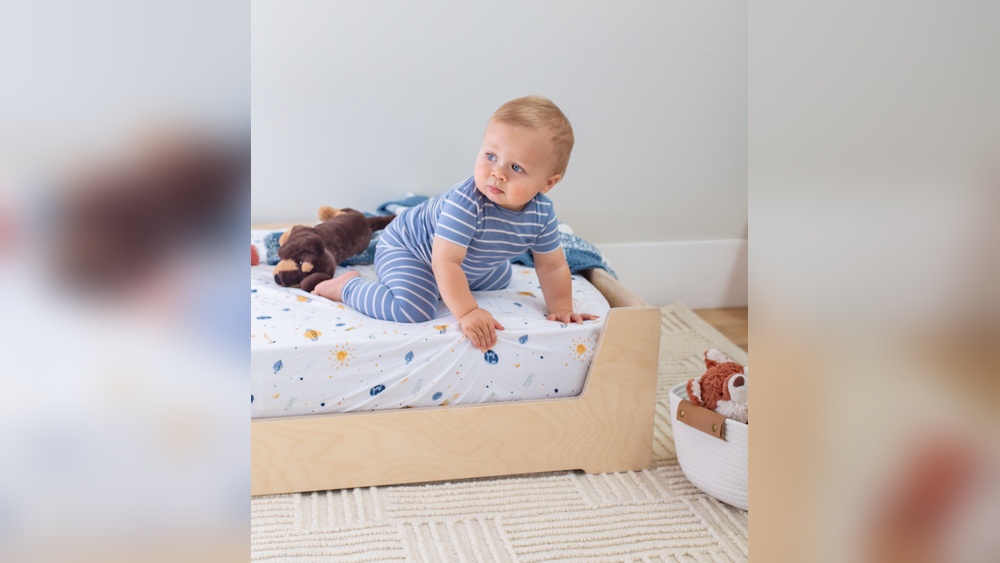
Have you ever wondered if big moving toys can encourage your baby to start moving? These colorful, fun toys don’t just catch your little one’s eye—they might also spark their first steps and crawling adventures.
Imagine your baby reaching, crawling, and exploring all because of a toy designed to move and attract attention. If you want to learn how these toys can boost your baby’s movement and development, keep reading. You’ll discover simple ways to turn playtime into active time for your child.
Benefits Of Big Moving Toys
Big moving toys offer many benefits for babies. These toys invite babies to explore their world. They help babies grow stronger and smarter. Playing with these toys is fun and healthy. Babies learn by moving and touching. Big moving toys support this learning in many ways.
Encouraging Physical Activity
Big moving toys make babies want to move more. They promote crawling, pushing, and walking. Babies develop muscles by using these toys. Moving around helps babies stay active and healthy. Physical activity boosts energy and happiness in babies.
Enhancing Motor Skills
These toys improve hand-eye coordination and balance. Babies learn to grasp, push, and pull objects. Using big moving toys builds fine and gross motor skills. Strong motor skills help babies perform daily tasks. This skill growth prepares babies for new challenges.
Stimulating Cognitive Development
Big moving toys encourage problem-solving and thinking. Babies explore cause and effect through play. These toys teach spatial awareness and memory. Playing with moving toys supports brain growth. Cognitive development helps babies understand their environment better.
Types Of Big Moving Toys
Big moving toys can encourage babies to explore and move. These toys attract their attention and invite physical activity. Different types of big moving toys serve unique purposes. Each kind helps babies develop strength, balance, and coordination.
Ride-on Toys
Ride-on toys let babies sit and move by pushing with their feet. They help build leg muscles and improve balance. Babies enjoy the freedom to move around safely. These toys come in many shapes, like cars or animals. Ride-ons also boost confidence as babies learn to control their movements.
Push And Pull Toys
Push and pull toys encourage babies to walk and explore. Babies hold handles or strings to move the toy forward or backward. These toys support early walking skills and strengthen arms and legs. They also teach cause and effect, showing babies how their actions move the toy. Many push and pull toys have bright colors and sounds to keep babies interested.
Interactive Play Vehicles
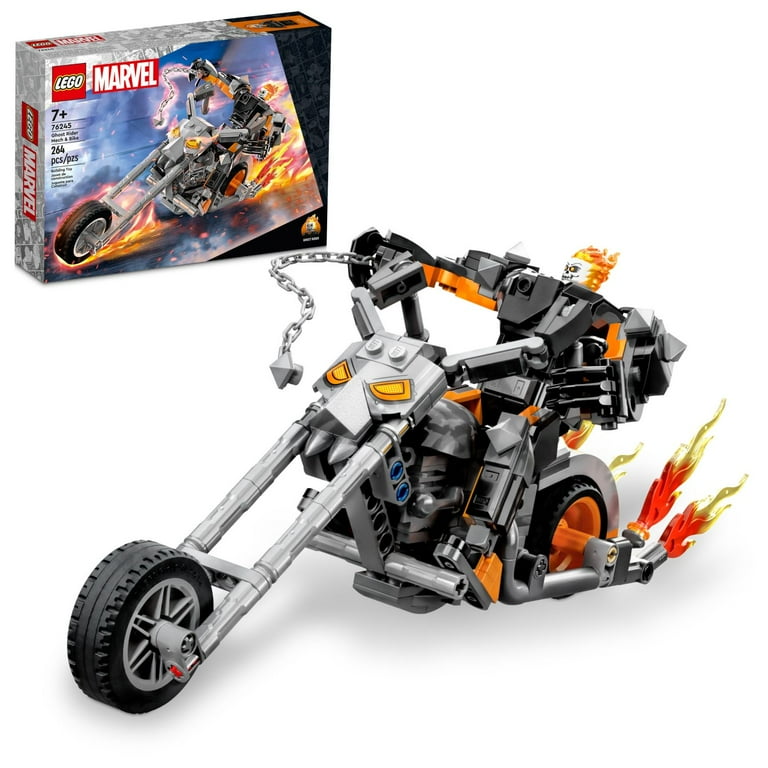
Interactive play vehicles combine movement with fun features. They often have buttons, lights, and sounds that respond to touch. Babies enjoy driving, steering, and pressing buttons. This type of toy helps develop hand-eye coordination and fine motor skills. Interactive vehicles motivate babies to move by making play more exciting and engaging.
Choosing Safe Toys For Babies
Choosing safe toys for babies is very important. Babies explore the world by touching and moving. Safe toys help them learn without harm. Parents should focus on toys that are sturdy and child-friendly. This ensures babies can enjoy playtime safely.
Material And Build Quality
Toys must be made from non-toxic materials. Plastic should be BPA-free and smooth. Wood toys need to have a smooth finish without splinters. Strong construction prevents toys from breaking easily. Broken pieces can cause choking or cuts. Choose toys that can handle rough use.
Age-appropriate Designs
Toys designed for the right age suit baby abilities. Small parts can be dangerous for young babies. Larger toys help babies develop movement skills. Age labels guide parents to select safe toys. Designs should match the baby’s motor skills and size.
Safety Features To Look For
Check for rounded edges to avoid injuries. Toys should not have loose parts or sharp points. Look for secure paint that does not chip easily. Avoid toys with strings longer than seven inches. Safety certifications add trust to the product.

Credit: www.newtonbaby.com
Incorporating Toys Into Daily Play
Toys play a big role in babies’ daily playtime. They catch attention and invite babies to move. Using big moving toys encourages babies to crawl, reach, and explore. These toys can be part of simple routines that make playtime fun and active. Parents and caregivers can help babies use toys in ways that promote movement and learning.
Choosing the right toys and setting up playtime carefully helps babies build skills. Play becomes a chance to discover new things and move more. This approach supports healthy growth and keeps babies happy and engaged throughout the day.
Creating Engaging Playtime Routines
Set a regular time for play each day. Use big moving toys that are easy to handle and colorful. Start with simple activities like pushing or pulling toys. Make the play area safe and spacious. Change toys often to keep interest high. Join your baby in play to encourage interaction. Routines help babies feel secure and ready to move.
Encouraging Exploration And Movement
Place toys just out of reach to invite crawling or stretching. Use toys that make sounds or light up to attract attention. Encourage babies to move toward toys by clapping or talking. Let babies touch and explore toys with hands and feet. Moving toys around the room creates a fun challenge. Exploration helps babies develop muscles and coordination.
Balancing Screen Time And Physical Play
Limit screen time to short periods for babies. Physical play with toys helps develop body strength and senses. Use screen time as a break, not a main activity. Encourage more play with big toys to boost movement. Active play supports health and better sleep. Balance keeps babies active and mentally alert.
Parental Role In Toy Interaction
Parents play a key role in how babies interact with big moving toys. Their involvement helps babies learn to move and explore. Through guidance and support, parents can make playtime safe and fun. This encourages babies to try new movements and build confidence.
Modeling Movement And Play
Babies watch their parents closely. When parents move and play with toys, babies want to copy them. Showing how to push, pull, or crawl after a toy helps babies understand what to do. Simple actions by parents inspire babies to move more and try new skills.
Providing Encouragement And Support
Cheering and gentle praise motivate babies to keep trying. Parents can clap, smile, or say kind words to encourage movement. Support also means helping babies get back up if they fall. This builds trust and makes babies brave enough to explore with toys.
Ensuring A Safe Play Environment
Safety is very important during play. Parents must clear the area of sharp or hard objects. Soft mats and open spaces reduce risks of injury. Keeping toys clean and in good shape protects babies. A safe space lets babies move freely and enjoy play without worry.
Credit: www.walmart.com
Measuring Growth And Development
Measuring growth and development is important to understand how big moving toys help babies move. These toys can encourage physical activity and support many skills. Watching changes in babies shows how toys impact their progress.
Tracking Milestones
Babies reach different milestones as they grow. Using big moving toys can help track these steps. For example, babies may start to sit, crawl, or walk with the toy’s help. Parents and caregivers can note these changes over time. This tracking gives clear signs of physical progress.
Observing Increased Mobility
Big moving toys invite babies to move more. Babies often try to push, pull, or ride them. This activity boosts their strength and balance. With regular use, babies gain better control over their movements. Observing this growth shows how toys encourage mobility.
Noting Social And Emotional Benefits
Playing with big moving toys also helps babies socially and emotionally. Babies learn to share or take turns with others. They feel happy and confident when they move well. These toys can support early social skills and emotional growth too.
Credit: monkibox.com
Frequently Asked Questions
How Do Big Moving Toys Encourage Baby Movement?
Big moving toys attract babies with bright colors and sounds. They motivate babies to crawl or walk toward the toy, enhancing motor skills and coordination. These toys create a fun environment that naturally encourages physical activity.
Can Moving Toys Improve Baby’s Muscle Strength?
Yes, moving toys stimulate babies to reach, crawl, and walk, which builds muscle strength. These activities promote balance and physical development essential for early mobility milestones.
Are Big Moving Toys Safe For Babies To Use?
Most big moving toys are designed with safety features like rounded edges and non-toxic materials. Always check age recommendations and supervise playtime to ensure a safe experience for your baby.
What Types Of Big Moving Toys Are Best For Babies?
Toys that roll, wobble, or glide are ideal. Examples include push cars, rolling animals, and activity walkers. These toys encourage movement and develop coordination in a playful way.
Conclusion
Big moving toys can encourage babies to explore and move more. These toys catch their attention and make movement fun. Babies enjoy reaching, crawling, and pushing as they play. This helps develop their muscles and coordination. Parents can choose toys that are safe and easy to use.
Watching babies move with these toys brings joy and pride. Small steps lead to big progress in baby development. Letting babies play with big moving toys supports healthy growth. Movement and play go hand in hand for young children.
