

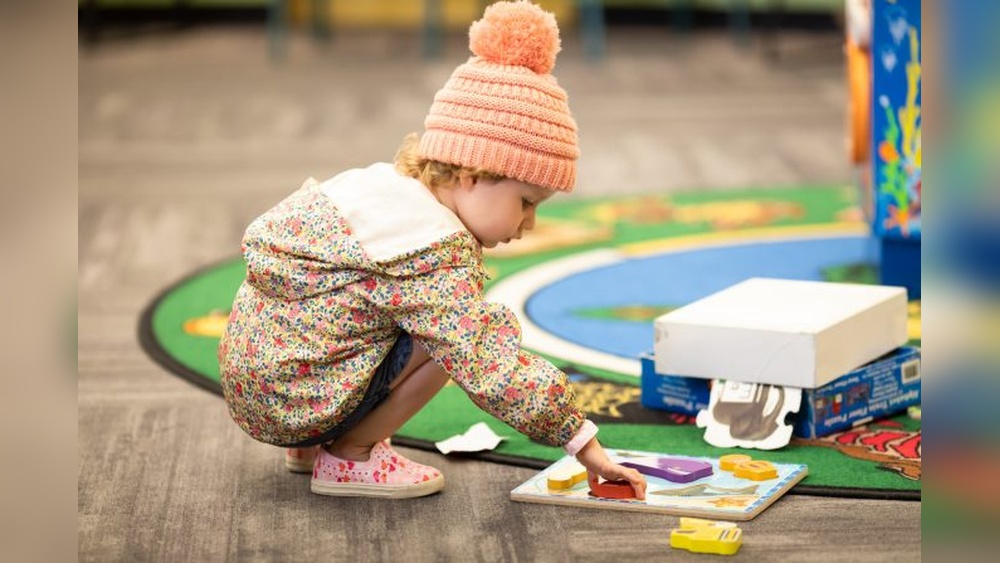
Have you ever watched your toddler stare at a toy, twisting knobs or pressing buttons, and wondered when they’ll actually understand how it works? It’s a fascinating moment for any parent or caregiver.
Knowing when your little one begins to figure out cause and effect can help you choose the right toys and support their learning in the best way. You’ll discover the key stages when toddlers start to grasp how their toys function—and how you can encourage their curiosity to boost their development.
Keep reading to unlock the secrets behind your child’s growing understanding and make playtime even more meaningful.
Credit: news.mit.edu
Early Exploration Phase
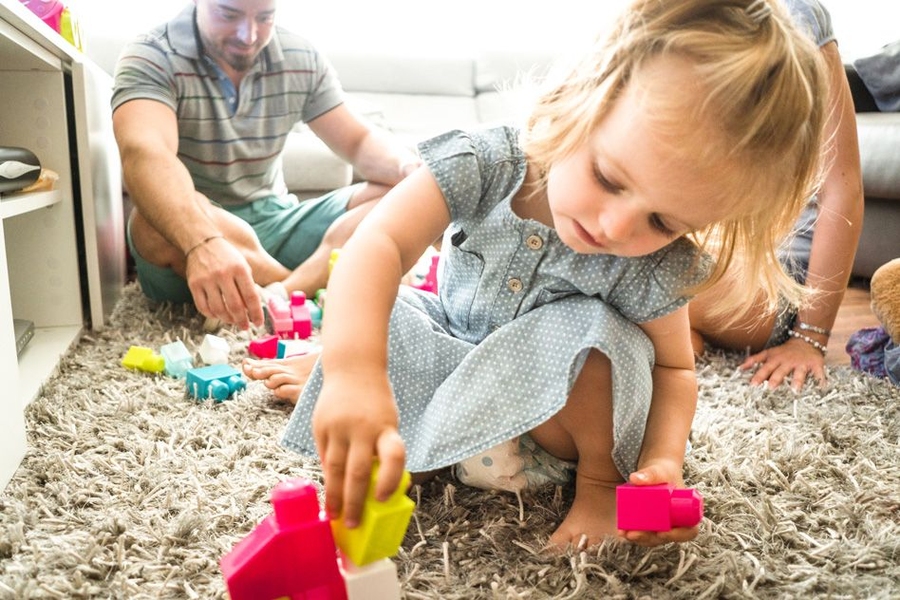
The early exploration phase is a crucial time for toddlers. They start to discover how toys work by using their senses and simple actions. This phase usually begins around 6 months and lasts until about 18 months. During this time, toddlers learn through touch, sight, and movement. Their curiosity grows as they try to understand the world around them.
Sensory Interaction With Toys
Toddlers use their senses to explore toys. They touch, shake, and mouth objects to learn about texture and shape. Bright colors and sounds grab their attention. Soft toys feel different from hard ones. This sensory play helps build their brain skills. It also supports fine motor development as they grasp and move toys.
Cause And Effect Basics
At this stage, toddlers begin to see cause and effect. They press buttons and hear sounds. They drop toys and watch them fall. These simple actions teach them that their actions have results. This understanding is the start of problem-solving skills. It also encourages curiosity and trial and error learning.
Credit: hub.jhu.edu
Recognizing Simple Functions
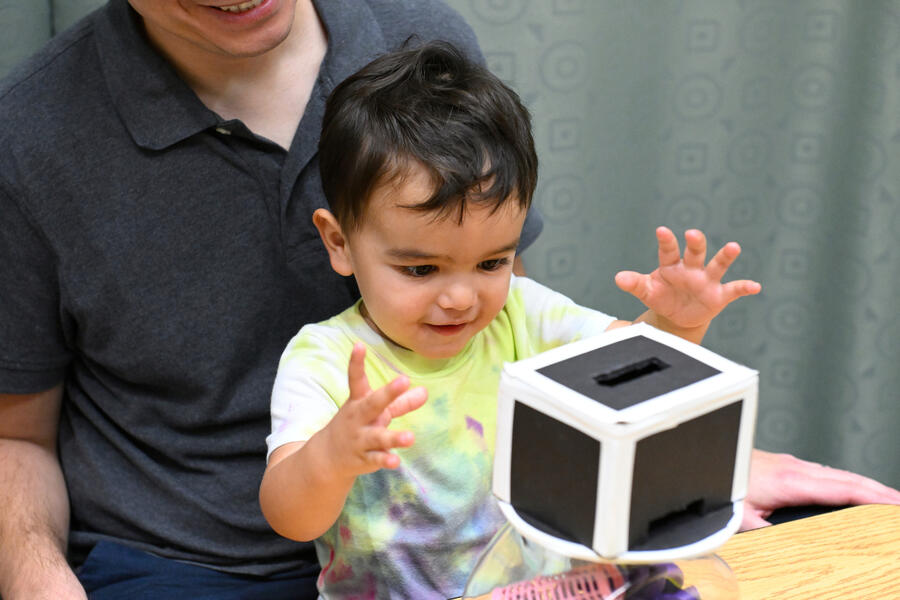
Toddlers start to notice how toys work by seeing simple actions. They watch and try to understand parts that move or change. This helps them learn cause and effect.
At first, children enjoy just playing. Soon, they want to know how buttons or switches make things happen. This curiosity grows as they explore their toys more.
Identifying Moving Parts
Toddlers spot parts that move on toys like wheels or doors. They push or pull these parts to see what happens. This shows they connect their action with movement.
Watching moving parts helps toddlers learn how toys respond. They begin to expect certain movements when they touch or push parts. This builds their understanding of simple functions.
Using Buttons And Switches
Buttons and switches catch toddlers’ attention. They learn pressing a button can make sounds or lights. This is an exciting way to see cause and effect.
Toddlers try different buttons to see what each one does. They experiment by flipping switches to control toy actions. This practice helps them understand basic toy functions.
Problem-solving Skills Develop
Toddlers start to learn how toys work by solving small problems. This skill grows as they play and explore. Problem-solving helps them understand cause and effect. They try different ways to make toys do things. This process builds their thinking and creativity. Toddlers gain confidence as they figure out new actions.
Trial And Error Play
Toddlers use trial and error to learn toys. They press buttons, spin parts, or push pieces. Sometimes toys work, sometimes they do not. Toddlers notice what happens each time. They try again with different moves. This helps them see which actions cause results. Trial and error play teaches patience and focus. It also helps toddlers learn from mistakes.
Imitating Adult Actions
Toddlers watch adults use toys and tools. They copy these actions to understand how toys work. Imitation shows toddlers the right steps to take. They learn to press buttons or pull levers. Watching adults helps toddlers connect actions to results. This learning style supports their problem-solving skills. It encourages them to explore toys with purpose.
Credit: www.achievebeyondusa.com
Understanding Complex Mechanisms
Toddlers start to understand how toys work as they explore and play. Complex mechanisms in toys teach them cause and effect. They learn that parts move or change when pushed or pulled. This discovery helps develop their thinking and problem-solving skills.
Building And Assembling Toys
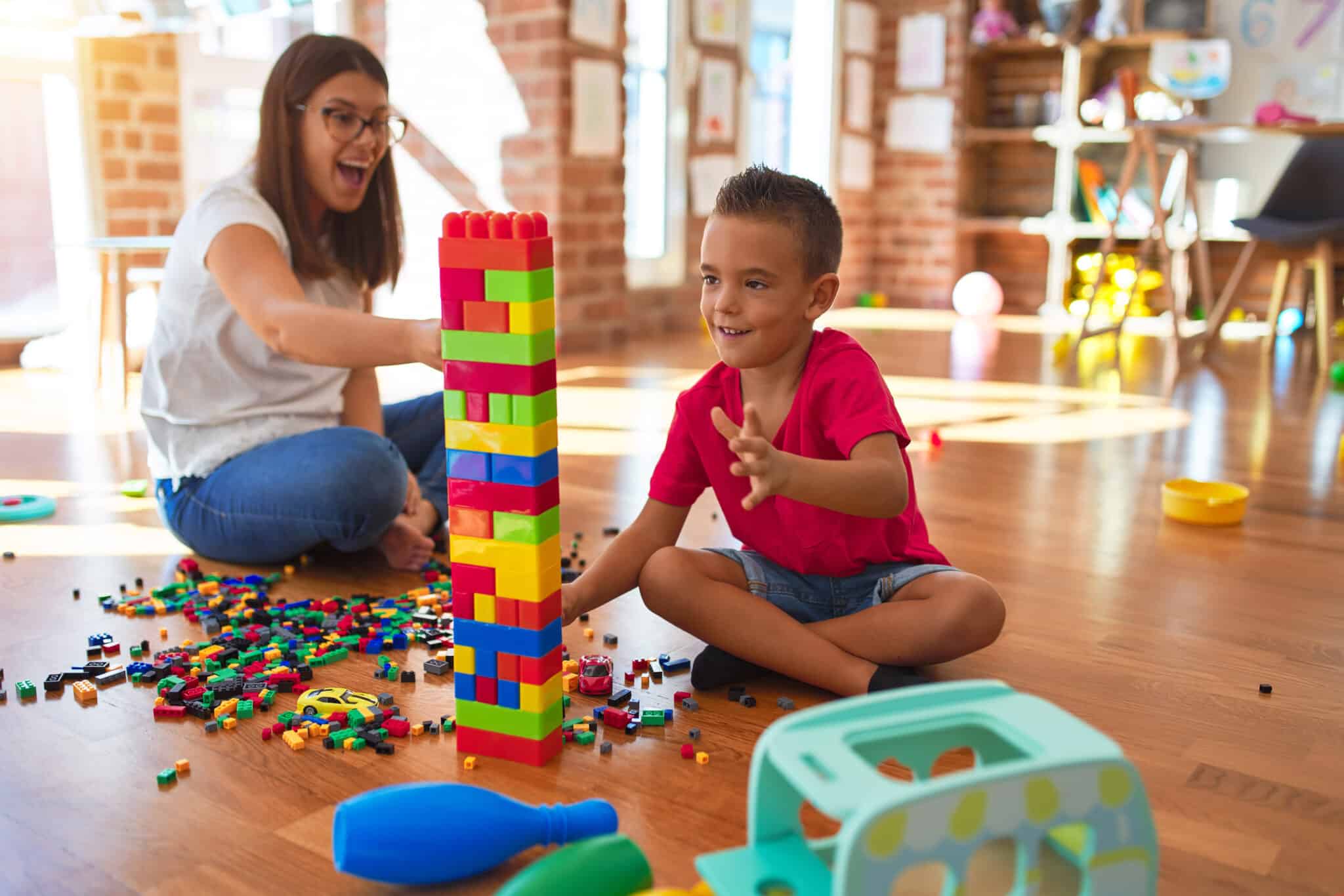
Building toys allow toddlers to see how pieces fit together. They try to connect blocks or parts to make shapes. This hands-on activity shows how smaller parts create a whole. Toddlers learn patience and focus while assembling toys. They enjoy the sense of achievement when their creation works.
Using Toys With Multiple Features
Toys with buttons, levers, and wheels offer many actions. Toddlers press buttons to hear sounds or see lights. They move levers to change toy shapes or functions. Each feature teaches a new way to interact with the toy. Exploring these features helps toddlers understand cause and effect better.
Role Of Play Environment
The play environment shapes how toddlers learn about toys. It offers chances to explore and understand toy functions. A rich play setting helps toddlers connect cause and effect. Safe and varied spaces invite curiosity and practice. The environment supports learning by giving toddlers tools and time to discover.
Parents and caregivers play a key role in creating this environment. The social world around toddlers also guides their learning. Both factors work together to help toddlers grasp how toys work.
Parental Guidance Impact
Parents influence how toddlers play and learn with toys. Showing how toys work helps toddlers copy actions. Talking about the toy’s parts and uses builds understanding. Encouragement boosts toddler confidence to try new things. Parents who watch and join play make learning richer.
Social Interaction Influence
Playing with other children changes how toddlers explore toys. They see different ways to use toys and try them out. Sharing ideas and watching friends teach new skills. Group play creates fun challenges and motivates learning. Social play grows problem-solving and communication around toys.
Signs Of Mastery
Toddlers show clear signs when they begin to understand how toys work. These signs tell us they are learning cause and effect. They start to predict what will happen next with their toys. They also use toys in new ways, showing creativity. Both are important steps in their development.
Predicting Toy Behavior
Toddlers start to expect certain results from their actions. For example, they know a toy car moves when pushed. They watch carefully and try again if it doesn’t work. This shows they understand the toy’s reaction to their touch. Predicting toy behavior means they remember and learn from experience.
Creative Use Of Toys
Children use toys in ways adults may not expect. They might stack blocks to make a tower or use a spoon as a drumstick. This creativity shows they understand the toy’s function but also explore new uses. It proves they think beyond simple cause and effect. Creative play helps toddlers develop problem-solving skills.
Supporting Toy Learning At Home
Supporting toddlers as they learn how toys work is important at home. It helps children understand cause and effect. It also builds their thinking and motor skills. Parents can create a safe space for this learning. Playtime becomes a chance to explore and discover.
Choosing the right toys and encouraging curiosity can boost this learning. Simple steps at home make a big difference in a toddler’s growth.
Choosing Age-appropriate Toys
Select toys that match your toddler’s age and skills. Toys that are too hard can cause frustration. Toys that are too easy might not hold their interest. Look for toys with clear functions and simple parts. Blocks, shape sorters, and pull toys work well. These toys teach how parts fit and move. They also help toddlers practice hand-eye coordination.
Encouraging Exploration And Curiosity
Let toddlers touch and try toys on their own. Watch how they use each toy without rushing them. Ask simple questions like “What happens if you press this?” This invites toddlers to think and learn. Praise their efforts to discover new things. Create a safe area where they can explore freely. Rotate toys to keep their interest fresh. Curiosity drives learning and helps toddlers understand toys better.
Frequently Asked Questions
When Do Toddlers Start Understanding Toy Functions?
Toddlers begin understanding toy functions around 12 to 18 months. They start exploring cause and effect by pressing buttons or moving parts. This early interaction helps them learn how toys work and develops their cognitive and motor skills.
How Do Toddlers Learn How Toys Operate?
Toddlers learn through hands-on play and repetition. They observe, experiment, and imitate actions like pushing, pulling, or twisting. This trial-and-error process helps them grasp how different toys function and improves problem-solving abilities.
What Toys Help Toddlers Understand Mechanics?
Simple cause-and-effect toys like shape sorters, pull toys, and pop-up toys are ideal. These toys encourage toddlers to explore movements and outcomes, enhancing their understanding of toy mechanics and boosting their sensory and fine motor skills.
At What Age Do Toddlers Grasp Cause And Effect?
Toddlers typically understand cause and effect between 9 and 12 months. They realize that their actions, such as pushing a button, produce a reaction. This concept is fundamental to learning how toys work and encourages curiosity.
Conclusion
Toddlers start to understand how toys work around age two. They learn by touching, watching, and trying again. This helps develop their thinking and problem-solving skills. Each child grows at their own pace, so patience is key. Giving them simple toys boosts their curiosity and learning.
Watching your toddler explore toys brings joy and insight. Keep encouraging their play to support their growth every day.
