

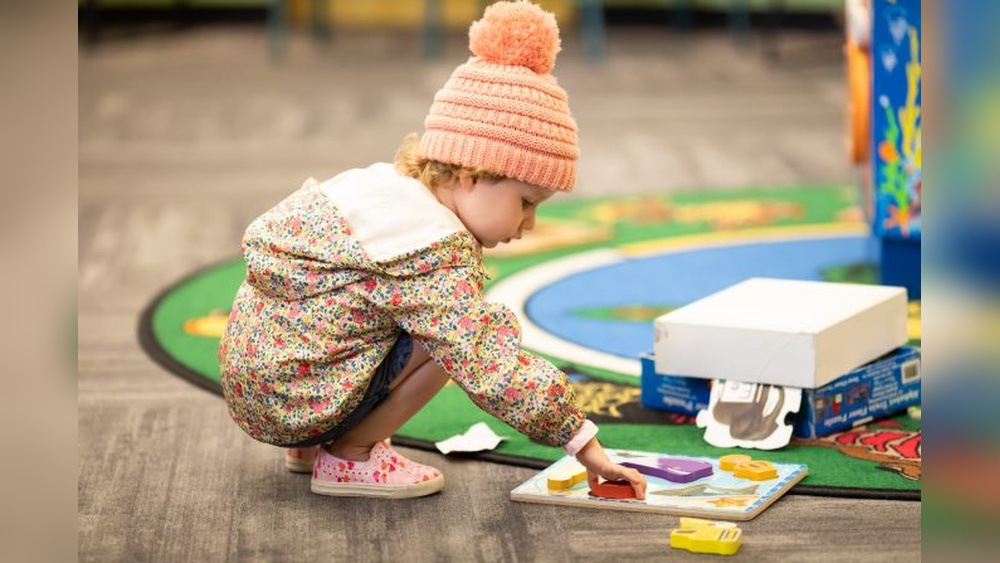
Have you ever wondered when your toddler will start to truly understand how their toys work? It’s an exciting moment when your little one stops just playing and begins to use toys the way they’re meant to be used.
This change shows important steps in their thinking and learning. Knowing when this happens can help you support their growth and choose the right toys at the right time. Keep reading to discover the signs your toddler is ready to grasp the purpose of their toys and how you can encourage this important skill.
Early Toy Interaction
Toddlers start learning about toys very early. Their first interactions teach them how toys work. These moments are important for their growth. Toys are not just objects; they are tools for learning. Toddlers explore, touch, and copy what they see. This helps them understand the purpose of toys slowly.
Exploring Toys Through Touch
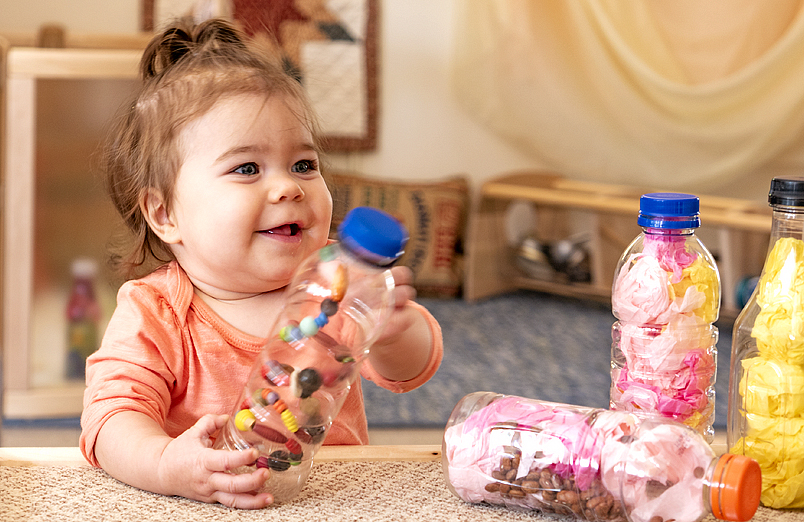
Toddlers use their hands to learn about toys. They feel the texture, shape, and size. Touching helps them know if a toy is soft, hard, or smooth. This sensory play builds their brain connections. They learn what happens when they squeeze or shake a toy. Simple actions like these teach cause and effect. Toddlers enjoy discovering new feelings through touch.
Imitating Adult Actions
Toddlers watch adults closely. They copy how adults use toys or tools. Imitation helps toddlers learn the right way to play. For example, pretending to talk on a toy phone. Or pushing buttons on a toy remote. These actions show toddlers the toy’s purpose. Imitating adults also builds their language and social skills. Watching and doing is a powerful learning method for toddlers.
Recognizing Toy Functions
Toddlers begin to understand how toys work by recognizing their functions. This skill helps them learn and enjoy playtime. Recognizing toy functions means knowing what a toy does and how to use it. It is a key step in early childhood development. Children start to connect actions with results and explore toys with curiosity.
Identifying Cause And Effect
Toddlers learn cause and effect by seeing what happens when they act on a toy. For example, pressing a button might make a sound. Pulling a lever could move a part. These reactions teach children that their actions have results. This understanding grows between 12 and 24 months of age. Toys with simple responses help toddlers see this connection clearly.
Simple Problem Solving
Simple problem solving involves figuring out how to make a toy work. Toddlers try different ways to use a toy until it works. They might push, pull, or turn parts. This trial and error helps them learn the toy’s purpose. Problem solving also builds confidence and thinking skills. Toys like shape sorters or stacking blocks encourage this learning.
Milestones By Age
Understanding how toddlers grasp the purpose of toys happens step by step. Each age group shows different signs of learning. Watching these milestones helps caregivers support play and growth. It also shows how toddlers explore their world through toys.
6 To 12 Months
Babies start to explore toys by touching and mouthing them. They notice shapes, colors, and sounds. At this stage, they begin to understand simple cause and effect. For example, shaking a rattle makes noise. They do not fully grasp the toy’s purpose yet.
12 To 18 Months
Toddlers start to use toys more intentionally. They try to fit shapes into matching holes. They push buttons to see what happens. Their play shows early problem-solving skills. They begin to link actions with results, but still learn through trial and error.
18 To 24 Months
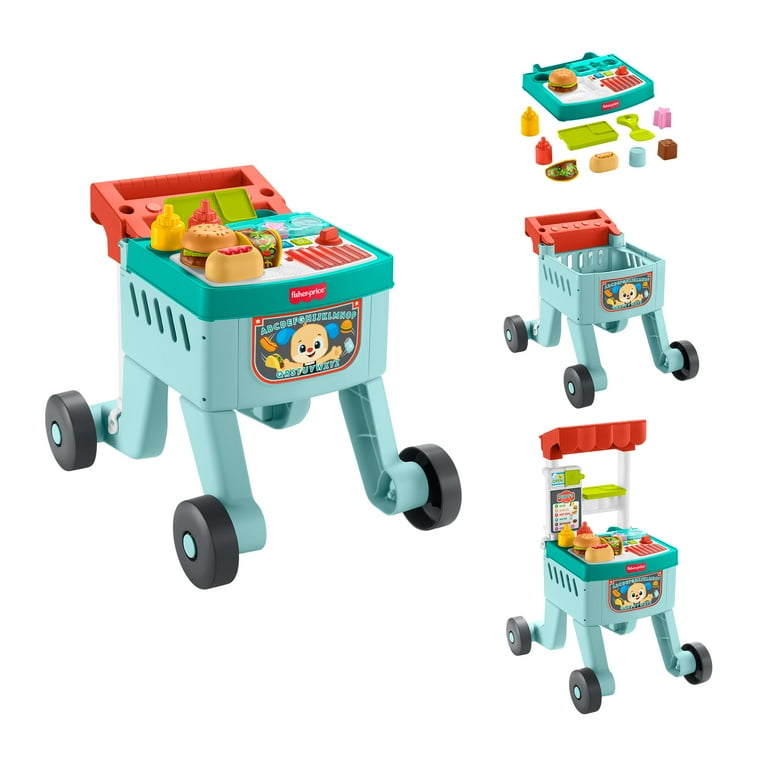
Toddlers show better control over toys. They stack blocks or roll cars with purpose. Pretend play begins, like feeding a doll. This shows they understand more about what toys represent. Their ideas about toys become more clear and imaginative.
24 To 36 Months
Children play with toys in more complex ways. They follow simple rules in games. They use toys to act out stories and roles. Their understanding of toy functions grows with language skills. They enjoy sharing toys and playing with others.
Credit: www.communityplaythings.com
Role Of Play In Learning
Play is a key way toddlers learn about their world. Through play, children explore objects and discover their uses. Toys are not just for fun; they help toddlers understand how things work. Play supports brain growth and skill development. It also helps children practice thinking and problem-solving.
Symbolic Play Emergence
Symbolic play starts around age two. Toddlers begin to use toys to represent real things. A block can become a car or a phone. This shows their growing imagination and understanding. They learn to assign meaning to objects beyond their actual use. This skill helps them grasp the purpose of toys and everyday items.
Social Interaction Impact
Playing with others boosts learning. Toddlers watch and copy how others use toys. Parents and peers show different ways to play. Talking during play teaches new words and ideas. Social play builds communication and sharing skills. It also helps toddlers learn the rules of using toys properly.
Parental Guidance Tips
Helping toddlers understand the purpose of toys needs patience and care. Parents play a key role in guiding their children during playtime. This guidance shapes how toddlers learn and explore their world. Simple tips can make this learning easier and more fun for both kids and parents.
Choosing Age-appropriate Toys
Select toys that match your toddler’s age and skills. Toys that are too hard or too easy can cause frustration or boredom. Look for toys with clear functions and safe materials. Age-appropriate toys help toddlers learn how to use them correctly. Always check the labels for recommended age ranges.
Encouraging Exploration
Let toddlers play freely and try new things with their toys. Watching and joining their play helps you understand their interests. Ask simple questions about the toy to spark thinking. Praise their efforts, even if they use the toy in new ways. Exploration builds curiosity and helps toddlers learn the toy’s purpose naturally.

Credit: www.getlabtest.com
Signs Of Advanced Toy Understanding
Signs of advanced toy understanding show a toddler’s growing brain power. These signs help parents see how children think and learn. Toddlers start to use toys in smart ways. They do more than just play. They solve problems and create new uses for toys. This shows their mind is developing.
Problem Solving Skills
Toddlers with advanced toy understanding try to fix challenges. They figure out how parts fit together or how to make toys work. For example, a child may build a tower and then find ways to stop it from falling. They test different ideas. This shows they know the toy’s purpose and can change it.
Creative Use Of Toys
Creativity is a big sign of advanced toy understanding. Toddlers use toys in new and fun ways. A block may become a car or a phone. They imagine and create stories while playing. This shows they understand what toys do but also can think beyond rules. Their play becomes richer and more interesting.
Credit: www.walmart.com
Frequently Asked Questions
When Do Toddlers Start Understanding Toy Functions?
Toddlers typically begin to grasp toy functions between 12 to 18 months. During this stage, they imitate actions and explore cause-effect relationships, enhancing their understanding of how toys work.
How Does Play Aid Toddlers’ Toy Comprehension?
Play encourages toddlers to experiment and learn toy purposes. Through repetitive play, they discover how to use toys effectively, which supports cognitive and motor skill development.
What Signs Show A Toddler Understands Toy Use?
Signs include purposeful manipulation, repeated actions, and problem-solving during play. Toddlers may use toys as intended and show frustration if the toy doesn’t work as expected.
Can Toddlers Confuse Toy Purposes?
Yes, toddlers often experiment and may misuse toys initially. This trial-and-error process is essential for learning the correct functions and improves their cognitive flexibility.
Conclusion
Toddlers start to understand toy purposes around age two. They learn by playing and watching others. Simple toys help them grasp how things work. Repetition and guidance support their learning. Each child grows at their own pace. Watch for signs of curiosity and problem-solving.
Encouraging play builds important skills for later. Enjoy this fun time of discovery together. Toys are more than just fun—they teach too. Keep playtime active and full of learning moments.
