

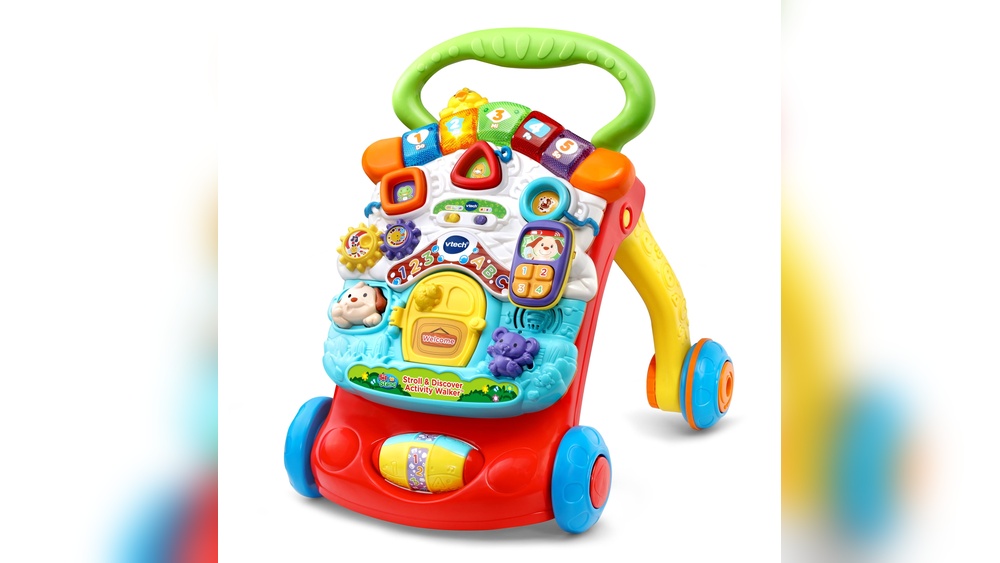
Are you wondering if walker toys are a good choice for your baby? You want the best for your little one, and deciding on the right toys can feel overwhelming.
Walker toys promise to help your baby take their first steps and explore safely. But do they really support your baby’s development, or could they cause more harm than good? Keep reading to discover what experts say, the benefits and risks involved, and how to make the right decision for your child’s growth and happiness.
This guide will help you feel confident about whether walker toys are the right fit for your baby’s early milestones.
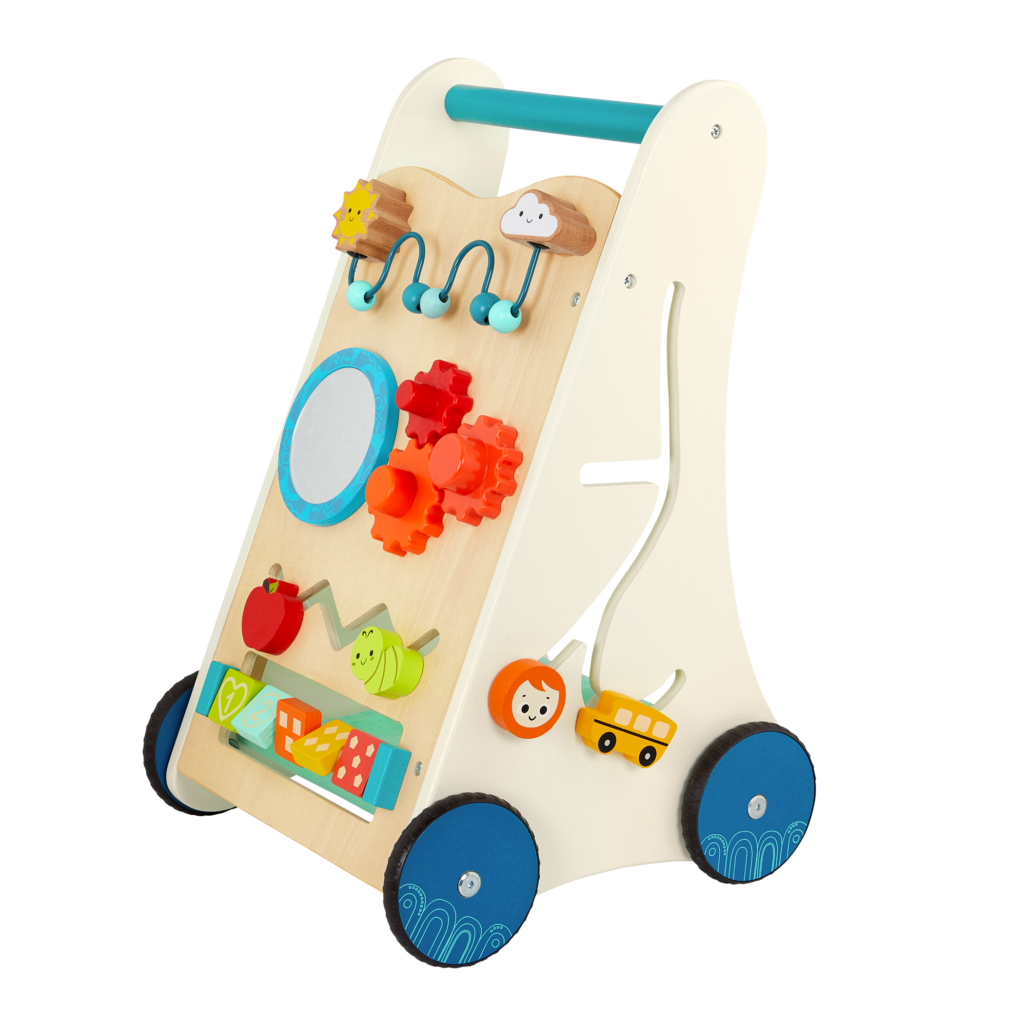
Credit: mybtoys.com
Benefits Of Walker Toys
Walker toys offer many benefits for babies as they grow. These toys support early development in fun and active ways. Babies learn skills that help them move and think better. Using walker toys can make the learning process natural and enjoyable.
Boosting Motor Skills
Walker toys help babies move their legs and arms. This movement builds strong muscles. Babies practice walking and standing safely. These actions improve their overall motor skills. Better motor skills help babies explore the world around them.
Encouraging Exploration
Walkers give babies the chance to explore new places. Babies feel more independent and curious. They can reach toys and objects safely. This exploration helps babies learn about their environment. It also encourages confidence in moving around.
Enhancing Balance And Coordination
Using a walker teaches babies how to balance their body. They learn to coordinate their hands and feet together. This practice improves stability and control. Good balance and coordination support walking without help later. Babies gain confidence in their physical abilities.
Stimulating Cognitive Development
Walker toys often include buttons, sounds, or colors. These features engage a baby’s brain. Babies learn cause and effect by playing with these toys. They also improve problem-solving skills. Cognitive growth happens through fun and interactive play.
Safety Concerns With Walkers
Walkers can be fun and help babies move around. Still, safety is very important. Parents must know the risks before using a walker. Understanding these concerns helps keep babies safe and happy.
Common Risks And Injuries
Walkers can cause falls and accidents. Babies may reach things they cannot normally get. This can lead to burns, cuts, or choking. Falls down stairs or on uneven floors are common. Many injuries happen because babies move faster than adults expect.
Potential Hazards At Home
Homes have many dangers for babies in walkers. Sharp corners, hot stoves, and open doors pose risks. Pools and stairs are especially dangerous without barriers. Small objects on the floor can cause choking. Careful baby-proofing is needed before using a walker.
Age And Weight Recommendations
Walkers are not for all babies. Most experts say wait until your baby can sit well. Check the walker’s weight limit carefully. Using it too early or for too long can cause harm. Follow the maker’s guidelines to avoid risks.
Choosing Safe Walkers
Choosing a safe walker is important for your baby’s health and happiness. Walkers help babies move, but safety must come first. Parents need to find walkers that protect their child from harm.
Many walkers look fun but can be risky. Knowing what to check can keep your baby safe while they learn to walk.
Key Safety Features To Look For
Look for wide bases to stop tipping over. The walker should have brakes or stoppers to avoid falls down stairs. Check if the walker has a sturdy frame to hold your baby well. Smooth edges prevent cuts and scratches. The seat must be comfortable and support the baby properly.
Certified And Tested Products
Choose walkers tested by safety groups. Certifications show the product meets safety rules. Certified walkers go through checks for strength and stability. This reduces the chance of accidents. Always buy from trusted brands with clear safety marks.
Avoiding Unsafe Models
Avoid walkers with small parts that can break off. Stay away from models that move too fast or have weak wheels. Do not use walkers without stoppers or with sharp edges. Avoid second-hand walkers without safety information. Unsafe walkers can cause serious injuries to babies.
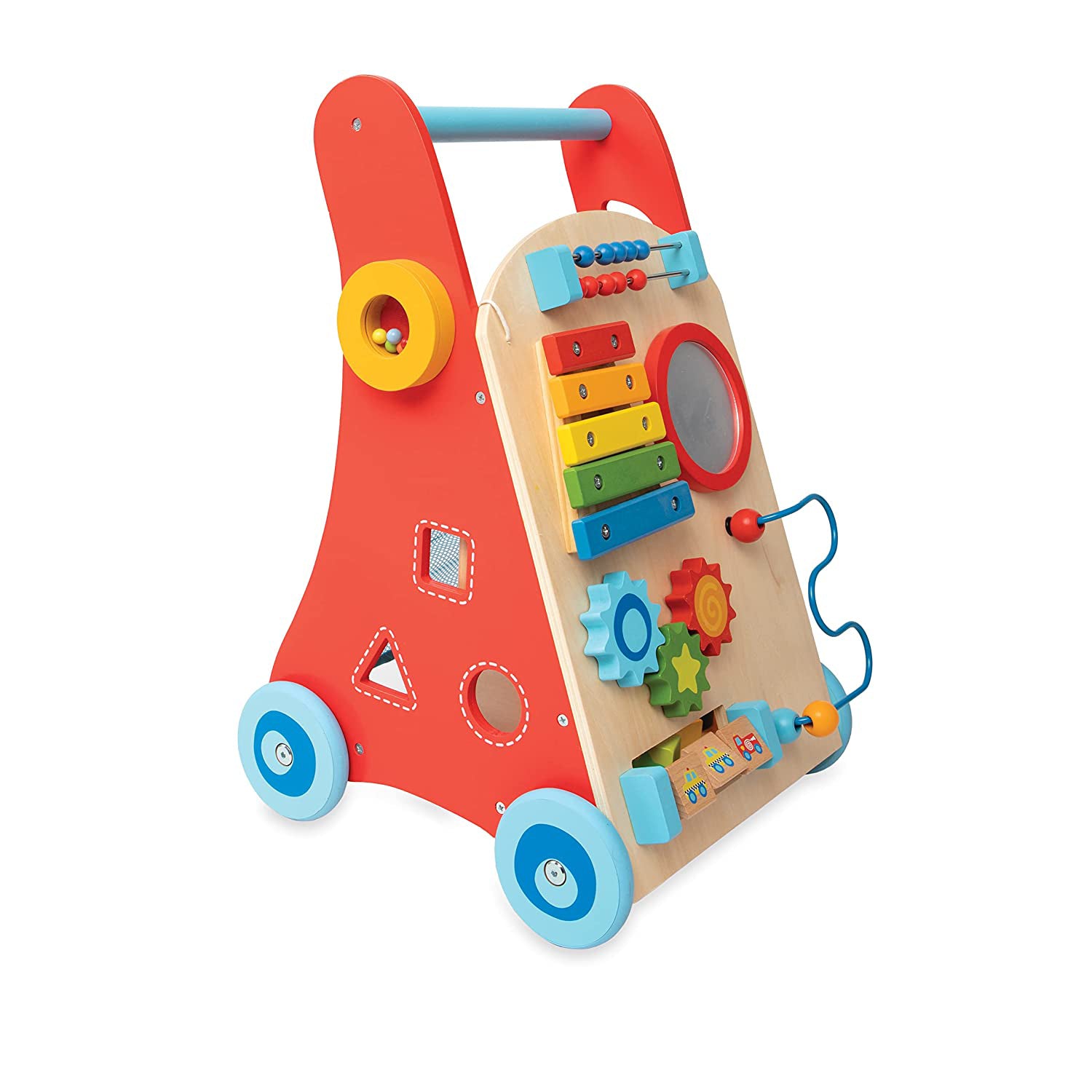
Credit: us.nuby.com
Alternatives To Walker Toys
Many parents want to support their baby’s growth without risks. Walker toys might not be the best choice for every child. There are safe and fun alternatives that encourage movement and learning. These options help babies explore at their own pace.
Stationary Activity Centers
Stationary activity centers keep babies safe and entertained. They offer toys to touch, push, and spin. Babies can sit or stand while playing. These centers build motor skills and hand-eye coordination. They do not allow walking, which reduces fall risks.
Push Toys And Walkers Without Wheels
Push toys help babies practice walking skills safely. They provide support and stability without wheels. These toys encourage babies to move forward step by step. Babies gain confidence in walking without danger. They also improve balance and strength.
Floor Play And Tummy Time
Floor play and tummy time build strong muscles for walking. These activities help neck, back, and arm strength. Babies learn to roll, crawl, and sit independently. Tummy time also improves coordination and body awareness. It is a natural way to prepare for walking.
Tips For Safe Walker Use
Using walker toys can be fun for babies, but safety must come first. Parents should follow some key tips to keep babies safe while using walkers. These tips help prevent accidents and make the experience enjoyable for little ones.
Supervision And Time Limits
Always watch your baby closely when using a walker. Never leave them alone. Limit the walker time to short periods, about 15 to 20 minutes. This helps avoid tiredness and keeps babies from getting bored or restless.
Safe Environment Setup
Clear the area of sharp edges, stairs, and small objects. Use gates to block off stairs and dangerous places. Make sure floors are smooth and free of rugs that can slip. A safe space lowers the risk of falls and injuries.
Regular Maintenance And Inspections
Check the walker often for broken parts or loose screws. Clean it regularly to keep it hygienic. Fix or replace any damaged pieces immediately. Regular care keeps the walker safe and reliable for your baby’s use.
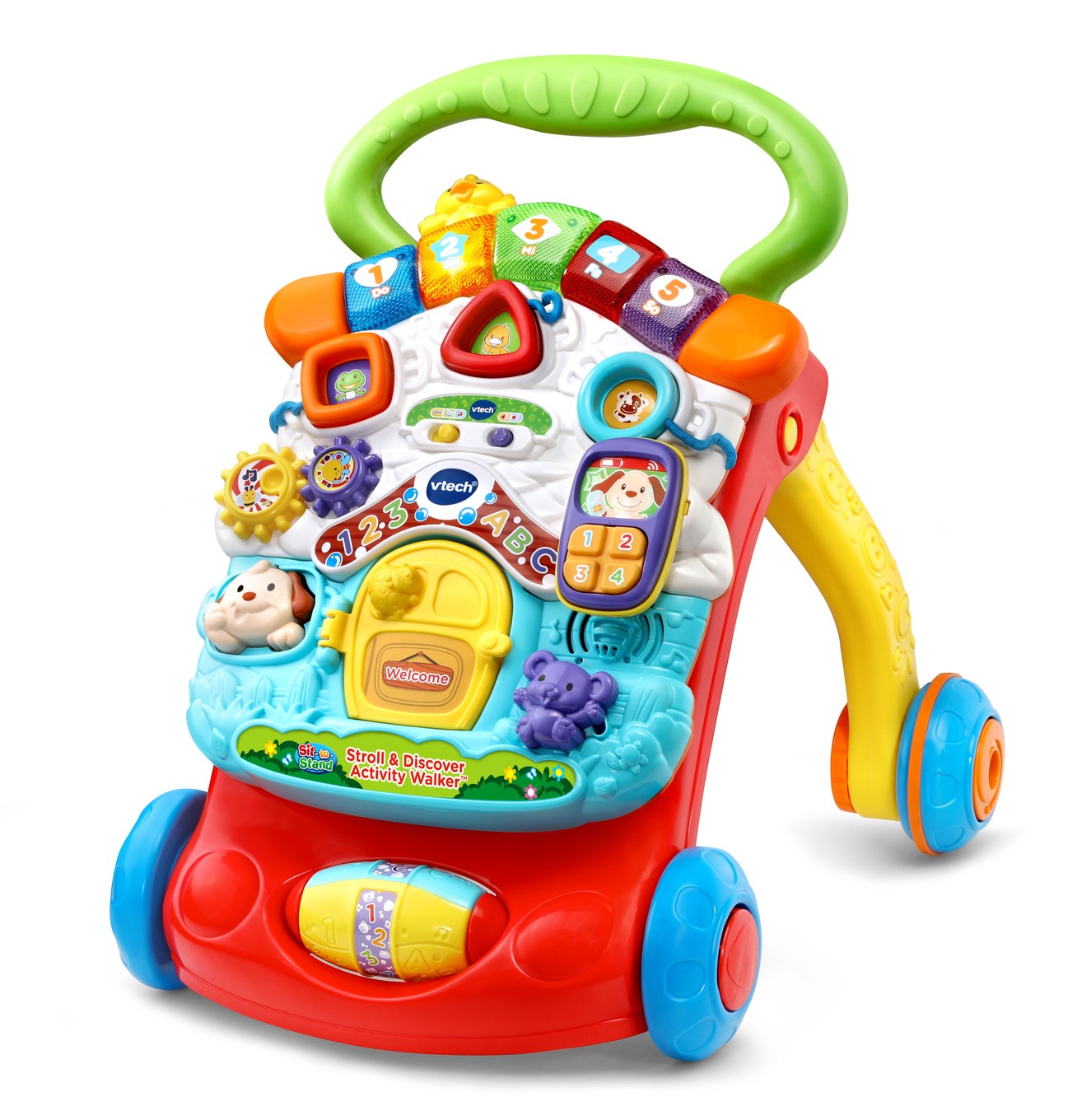
Credit: www.vtechkids.com
Frequently Asked Questions
Are Walker Toys Safe For Babies To Use?
Walker toys can pose safety risks like falls and injuries. Supervision and choosing models with safety features reduce risks. Experts recommend limiting use and following age guidelines strictly.
Do Walker Toys Help Babies Learn To Walk Faster?
Walker toys do not speed up walking skills. They may delay natural muscle development needed for walking. Encouraging floor play and crawling promotes better motor skills.
What Are The Benefits Of Walker Toys For Babies?
Walker toys provide entertainment and support mobility exploration. They help develop hand-eye coordination and balance when used appropriately. However, benefits depend on safe, supervised use and proper timing.
When Should Babies Start Using Walker Toys?
Babies should use walkers only after they can sit up unassisted, usually around 6-8 months. Early use can cause harm. Always follow manufacturer age recommendations.
Conclusion
Walker toys can help babies explore and practice walking. They offer fun and support but need careful use. Always watch your baby closely to keep them safe. Choose walkers with good safety features and use them for short times. Balance walker time with other activities like crawling and playing.
This helps your baby learn and grow well. Trust your instincts and talk to your doctor if unsure. Walkers are a tool, not a must-have. Keep your baby’s safety and happiness as the top priority.
