

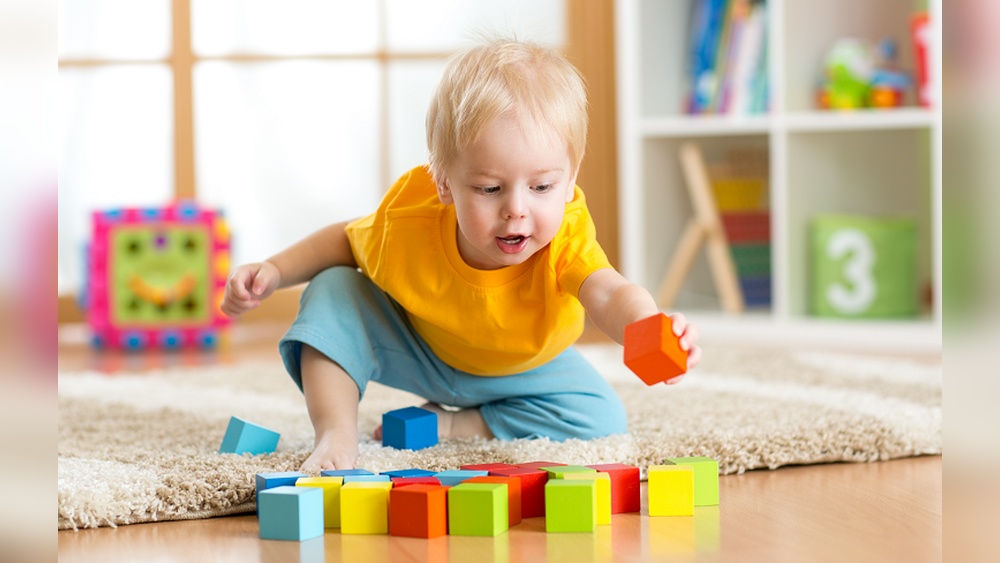
Have you ever wondered how the simple toys your toddler loves can do more than just entertain? Those colorful blocks, puzzles, and building sets are actually powerful tools that help your child develop important fine motor skills.
These skills are essential for everyday tasks like writing, buttoning clothes, and using utensils. You’ll discover how the right toys can boost your toddler’s hand-eye coordination, finger strength, and precision—all while having fun. Keep reading to learn how to choose toys that support your child’s growth and give them a strong start for the skills they’ll need tomorrow.
Benefits Of Toys For Fine Motor Skills
Toys play a big role in helping toddlers develop fine motor skills. These skills involve small movements using the fingers and hands. Toys make learning these movements fun and natural. Toddlers practice important hand actions while playing. This practice builds strong muscles and better control.
Using toys designed for fine motor skills helps children gain confidence. They learn to handle objects with care and precision. This skill is important for daily tasks like eating and dressing. Toys also encourage creativity and problem-solving during playtime.
Enhancing Hand-eye Coordination
Toys help toddlers match their hand movements with what they see. This skill is called hand-eye coordination. Playing with puzzles or stacking blocks helps children focus and aim. They learn to place pieces in the right spot. This improves their ability to control hand movements guided by sight.
Improving Dexterity And Grip
Holding and manipulating toys strengthen finger muscles. Toddlers practice gripping, twisting, and turning objects. This builds dexterity, making hand movements smoother and more precise. Toys like shape sorters and beads improve finger strength. Better dexterity helps with writing and using utensils later on.
Encouraging Bilateral Hand Use
Toys that need two hands promote using both hands together. This skill is called bilateral hand use. Activities like pulling apart toys or tying laces need both hands to work in sync. This coordination helps toddlers develop balance and control in their movements. It supports skills like catching a ball or buttoning shirts.
Credit: littlefeettherapy.com
Types Of Toys That Help Development
Toys play a big role in helping toddlers develop fine motor skills. Different types of toys focus on different hand movements. These toys encourage toddlers to use their fingers, hands, and eyes together. This support helps build coordination and control. Choosing the right toys can make learning fun and effective.
Building Blocks And Stacking Sets
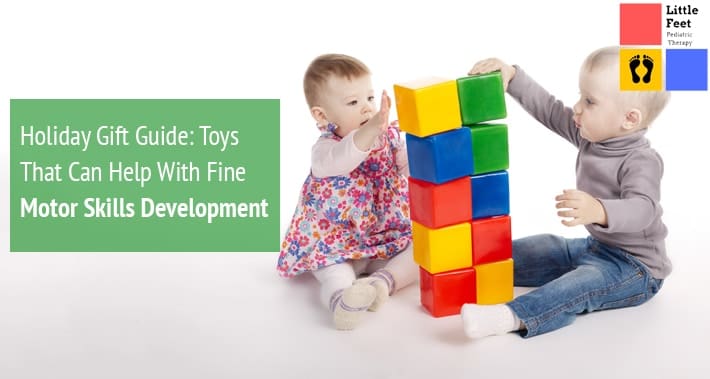
Building blocks and stacking sets teach toddlers to grasp and place objects carefully. Picking up blocks improves finger strength and control. Stacking blocks requires steady hands and attention. This play also helps with hand-eye coordination and spatial awareness. Toddlers learn balance and patience through these simple toys.
Shape Sorters And Puzzles
Shape sorters and puzzles make toddlers think about shapes and sizes. Holding and fitting shapes into holes improves precision. Puzzles require careful finger movements to place pieces. This activity sharpens problem-solving skills and fine motor control. Toddlers practice matching and adjusting their grip during play.
Art Supplies And Drawing Tools
Art supplies like crayons and markers encourage hand movement and creativity. Drawing helps toddlers practice gripping and moving tools smoothly. Coloring inside lines develops control and focus. Using paintbrushes or stamps strengthens small muscles in hands. Art activities blend fun with fine motor skill growth.
Manipulative Toys Like Beads And Laces
Manipulative toys such as beads and laces require threading and sorting. Picking up small beads improves finger dexterity. Lacing teaches coordination between both hands. These toys enhance precision and patience in toddlers. The repetitive actions build muscle memory and fine motor skills.
Choosing Age-appropriate Toys
Choosing age-appropriate toys plays a key role in developing toddlers’ fine motor skills. Toys that match a child’s age help them practice hand-eye coordination, grasping, and finger movements. The right toys challenge toddlers just enough without causing frustration. This balance supports steady skill growth and confidence. Parents and caregivers should consider safety, skill level, and the child’s interest when selecting toys.
Safety Considerations
Safety is the top priority when choosing toys. Toddlers explore by putting things in their mouths. Toys must be free of small parts that can cause choking. Look for non-toxic materials and smooth edges. Toys should be sturdy to avoid breaking into dangerous pieces. Check labels for age recommendations and safety certifications. Safe toys protect toddlers while they learn and play.
Skill Level Matching
Choose toys that fit the toddler’s current abilities. Toys that are too easy may bore the child quickly. Toys that are too hard can cause frustration. Look for toys that encourage grasping, stacking, or simple manipulation. Simple puzzles, building blocks, and shape sorters are good examples. Matching skill level helps toddlers practice and improve fine motor skills step by step.
Engagement And Interest Factors
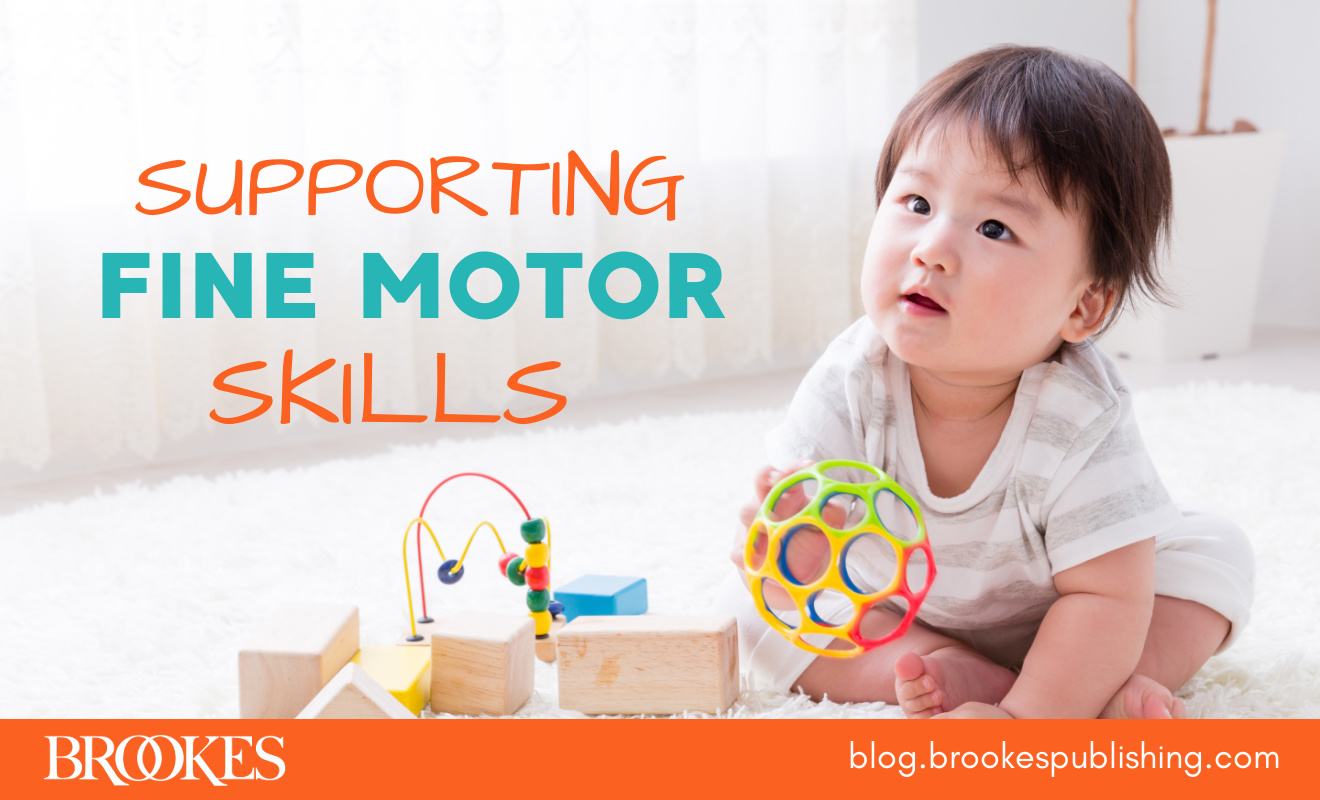
Toddlers learn best when they enjoy the activity. Toys should capture their attention and curiosity. Bright colors, interesting textures, and sounds can keep toddlers engaged. Choose toys related to the child’s favorite animals or themes. Toys that invite exploration encourage repeated play. Engagement makes fine motor practice fun and effective.
Credit: blog.brookespublishing.com
Tips For Encouraging Play
Encouraging play helps toddlers develop fine motor skills. Play builds hand strength and coordination. It also sparks creativity and problem-solving. Simple tips can make playtime more effective and fun.
Creating A Stimulating Environment
Arrange toys where toddlers can reach them easily. Use colorful and varied textures to attract their attention. Include toys that require different hand movements. A safe, clutter-free space invites toddlers to explore freely.
Involving Caregivers In Playtime
Join toddlers during play to guide and encourage. Show how to use toys step-by-step. Praise efforts to boost confidence. Caregivers’ attention makes play more engaging and meaningful.
Setting Playtime Routines
Set regular times for play every day. Consistency helps toddlers expect and prepare for play. Short, frequent sessions work best for young children. Routines create a sense of security and focus.
Signs Of Progress In Fine Motor Skills
Signs of progress in fine motor skills show how toddlers improve their hand and finger use. These signs help parents and caregivers see growth clearly. Watching these changes can guide choosing the right toys and activities.
Improved Grasp And Control
Toddlers start holding objects more firmly and with less effort. Their fingers work together better to pick up small items. This control helps them play with toys that need precise handling.
Increased Task Independence
Children begin to do small tasks without help. They can button clothes or turn pages in a book alone. This independence shows their fingers and hands are stronger and more skilled.
Faster And More Precise Movements
Movements become quicker and more accurate over time. Toddlers can stack blocks neatly or draw simple shapes. These faster actions reflect better coordination and confidence.

Credit: www.discountschoolsupply.com
Frequently Asked Questions
How Do Toys Improve Toddler Fine Motor Skills?
Toys encourage toddlers to use their hands and fingers, enhancing dexterity and coordination. Manipulating toys like blocks and puzzles strengthens small muscles and improves hand-eye coordination, essential for fine motor development.
Which Toys Best Support Toddler Fine Motor Growth?
Toys like stacking blocks, shape sorters, and bead threading sets best support fine motor skills. These toys require grasping, pinching, and precise movements, helping toddlers develop control and hand strength effectively.
When Should Toddlers Start Using Toys For Fine Motor Skills?
Toddlers can begin using fine motor skill toys around 12 months old. Early play with age-appropriate toys aids muscle development and coordination, laying a strong foundation for later skills like writing.
Can Fine Motor Skill Toys Aid Toddler Brain Development?
Yes, fine motor toys stimulate brain areas responsible for movement and problem-solving. Engaging with these toys boosts cognitive skills, concentration, and hand-eye coordination, supporting overall brain growth.
Conclusion
Toys help toddlers develop fine motor skills every day. They encourage hand-eye coordination and finger strength. Playing with toys builds confidence and creativity in little hands. Simple activities can make a big difference in growth. Choosing the right toys supports skill development naturally.
Watch your child explore and improve with joy. Small steps lead to strong skills over time. Keep playtime fun and full of learning chances.
