

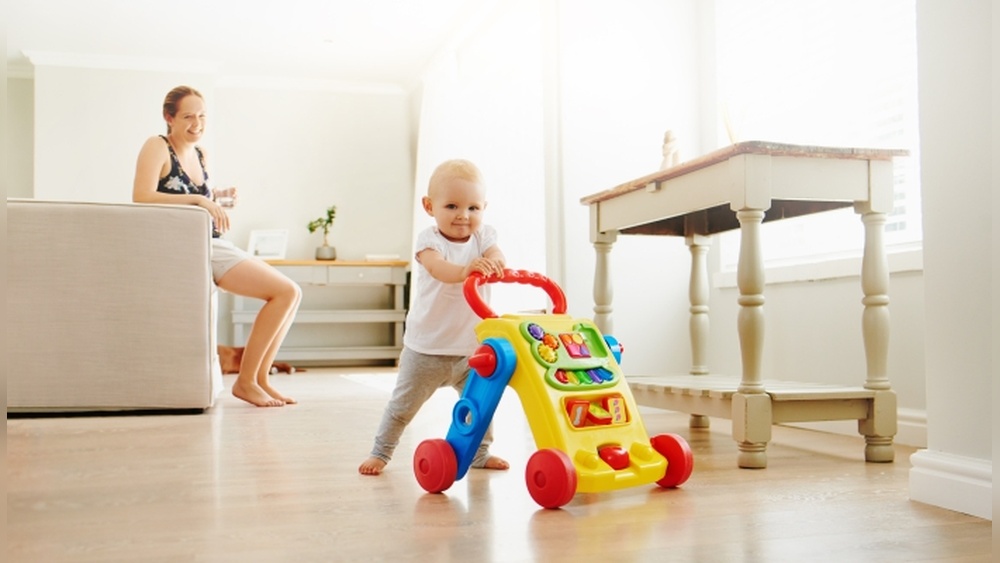
Are you wondering if walker toys are safe for your baby? Many parents face this question as they want the best for their little ones.
You might have seen these colorful walkers and thought they could help your baby learn to walk faster. But are they really good, or could they cause harm? Keep reading to discover the surprising facts about walker toys and how they can affect your baby’s development.
Understanding this will help you make the best choice for your child’s safety and growth.
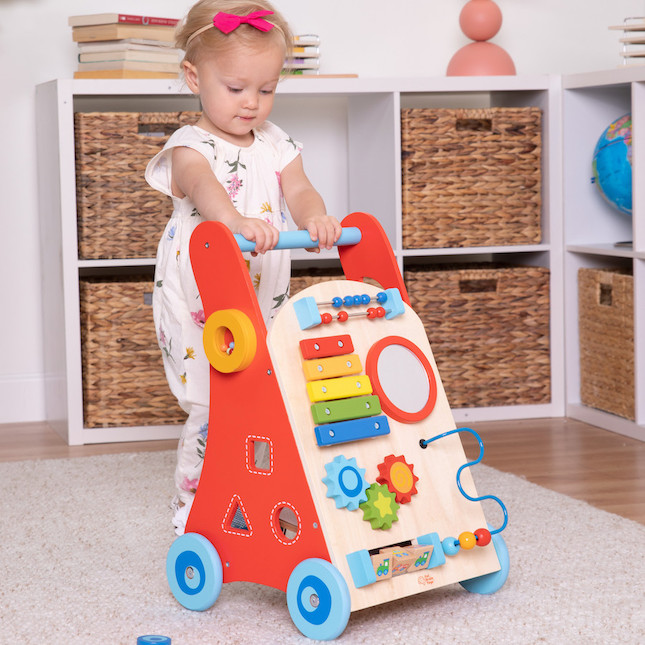
Credit: matt-elly.com
Risks Of Using Walker Toys
Walker toys may seem helpful for babies learning to move. Yet, they come with risks that parents must know. These risks affect a baby’s safety and development.
Increased Fall Hazards
Walkers raise the chance of falls. Babies move faster than they can control. This leads to accidents on stairs or uneven floors. Injuries from falls can be serious.
Delayed Motor Skills
Walkers may slow natural skill growth. Babies rely on walkers instead of crawling or walking alone. This can delay muscle strength and balance. Early independent movement is important for development.
Safety Concerns At Home
Homes often have hidden dangers for walkers. Sharp edges, hot surfaces, and small objects pose risks. Babies in walkers reach places they normally cannot. Constant supervision is needed but not always possible.
Benefits Parents Often Expect
Parents often hope walker toys will help their babies grow and learn. These toys seem useful for many reasons. They expect benefits that support their child’s development and keep them happy. Understanding these hopes can help decide if walkers are right for your baby.
Encouraging Mobility
Walkers seem to help babies move around more easily. They offer support as babies try to stand and walk. Many parents believe walkers boost leg strength and balance. Babies can explore their space without full help from adults. This sense of freedom excites both babies and parents.
Entertainment And Engagement
Walkers often come with toys and sounds to keep babies busy. They offer fun activities that catch a baby’s attention. Parents expect these features to improve focus and playtime. Walkers can keep babies entertained while parents do other tasks. This helps manage busy household routines more smoothly.
Expert Opinions On Walkers
Experts have different views on walker toys for babies. These opinions help parents decide if walkers are safe and useful. Some professionals warn about risks. Others discuss effects on baby growth and skills. Let’s explore what experts say about baby walkers.
Pediatrician Warnings
Pediatricians often advise against using walkers. They say walkers can cause accidents. Babies may fall down stairs or tip over. Walkers give babies a false sense of balance. This can delay natural walking skills. Many doctors report injuries linked to walker use. Safety concerns make pediatricians cautious about recommending walkers.
Child Development Specialist Views
Child development experts focus on how walkers affect growth. They say walkers may slow muscle development in legs. Babies might miss important crawling and standing phases. These activities build strength and coordination. Walkers can reduce chances for natural exploration. Specialists recommend free movement to support development. They suggest safe play areas instead of walkers.
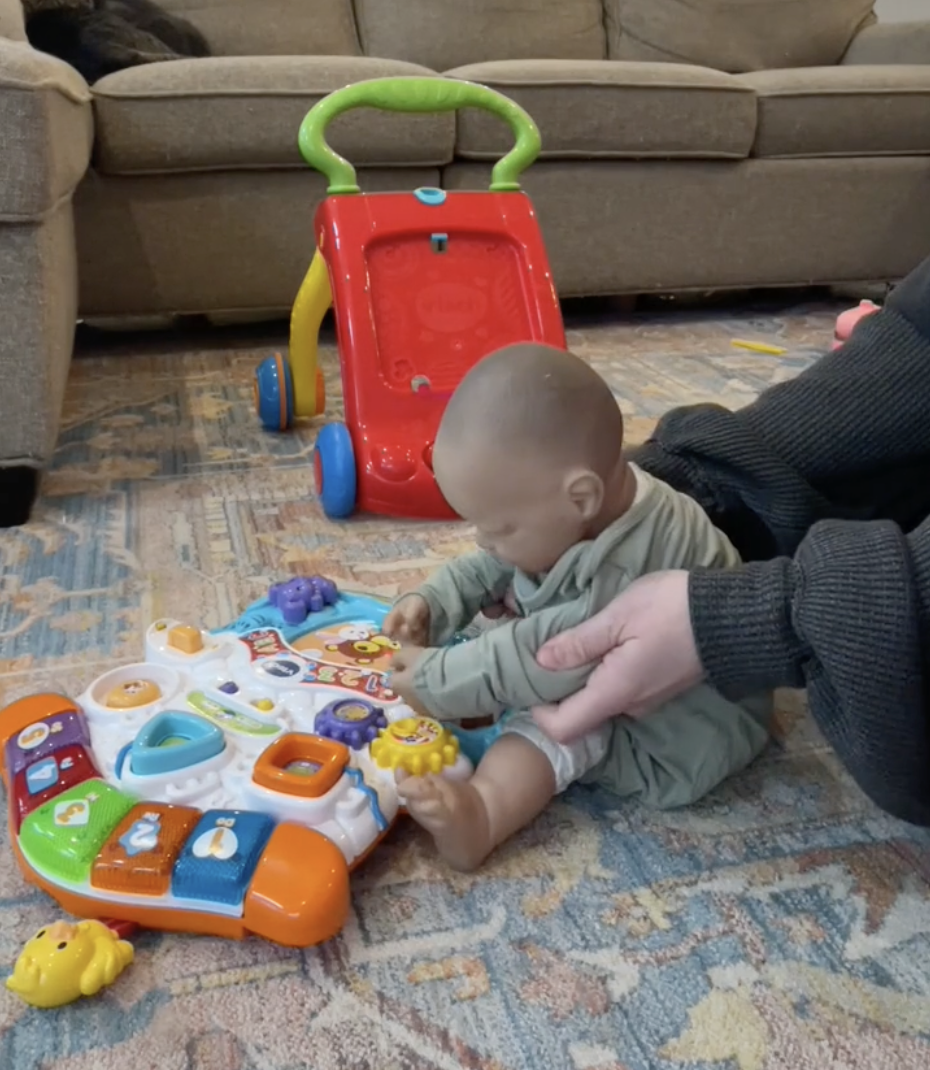
Credit: www.milestonesandmotherhood.com
Safer Alternatives To Walkers
Many parents worry about walker toys because they can cause accidents. Safer choices help babies develop skills without risks. These alternatives support learning and fun in a secure way.
Stationary Activity Centers
Stationary activity centers keep babies in one place safely. These centers have toys that babies can touch and move. They help develop hand-eye coordination and motor skills. Babies can explore without the danger of falling or moving too fast. These centers also encourage babies to sit and play comfortably.
Tummy Time And Floor Play
Tummy time strengthens baby’s neck, shoulders, and arms. It helps prepare babies for crawling and walking. Place toys just out of reach to encourage movement. Floor play allows babies to explore freely and safely. Soft mats or blankets create a safe play area. This simple activity builds muscles and confidence without extra equipment.
Tips For Baby Safety
Keeping babies safe is the top priority for parents. Babies explore the world by moving around. This makes safety tips very important. These tips help reduce risks and protect little ones.
Using walker toys can be tricky. They might cause accidents if not used carefully. Parents must create a safe space and watch their babies closely. Here are some easy ways to keep babies safe.
Babyproofing Your Home
Start by covering sharp corners and edges on furniture. Use safety gates to block stairs and dangerous rooms. Keep small objects out of reach to prevent choking. Secure heavy items that could fall on a baby. Check for loose wires or cords that babies might pull. Soft rugs can help cushion falls on hard floors.
Supervision Strategies
Always watch babies closely when they use walker toys. Stay within arm’s reach to stop falls or bumps. Limit walker use to short periods to avoid tiredness. Never leave a baby alone in a walker, even for a moment. Pay attention to the baby’s mood and comfort. Stop using the walker if the baby seems tired or upset.

Credit: www.youtube.com
Frequently Asked Questions
Are Walker Toys Safe For Babies To Use?
Walker toys can pose safety risks, including falls and injuries. Experts often advise against their use. Supervision is crucial if walkers are used. Consider safer alternatives like stationary activity centers for baby development.
How Do Walker Toys Affect Baby’s Development?
Walkers may delay walking milestones by reducing crawling and muscle use. They can limit natural motor skill development. Encouraging floor play supports stronger coordination and balance. Experts recommend minimizing walker time to promote healthy growth.
What Are The Main Dangers Of Baby Walkers?
Walkers increase risk of falls down stairs and collisions with furniture. They can enable babies to reach hazardous items. Injuries often occur from tipping over or rapid movement. Safety gates and constant supervision help reduce walker-related accidents.
Are There Safer Alternatives To Walker Toys?
Yes, stationary activity centers and push toys support movement without risk. These options encourage natural muscle use and exploration. Floor play mats with toys also stimulate development safely. Choosing alternatives reduces injury risk and promotes healthy milestones.
Conclusion
Walker toys may seem fun but carry risks for babies. They can delay walking skills and cause injuries. Parents should watch babies closely when using walkers. Safer options like stationary activity centers help babies explore safely. Choosing the right toys supports healthy growth and happy play.
Always put your baby’s safety and development first.
