

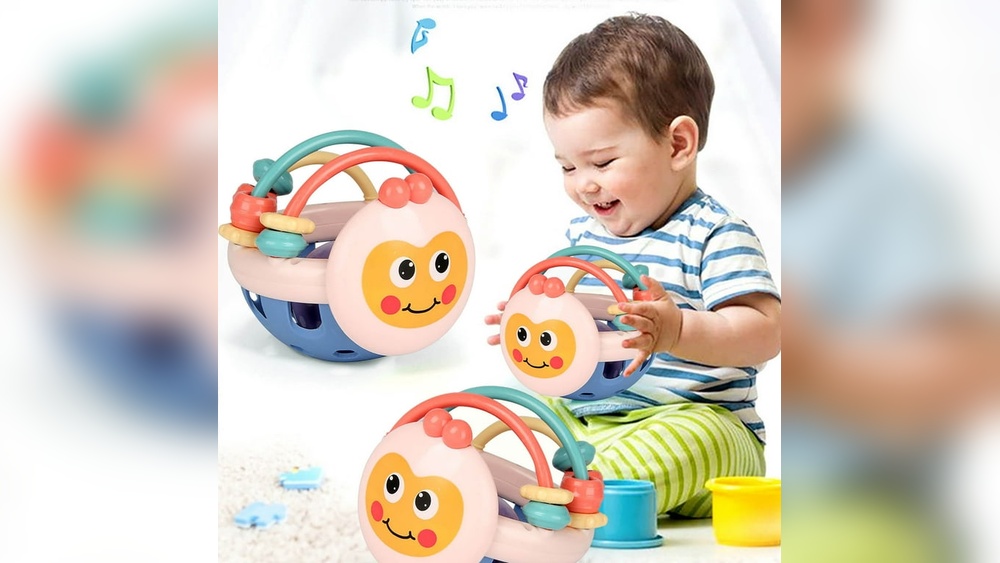
Have you ever noticed how your toddler’s eyes light up when they play with their favorite toy? That simple moment is doing more than just making them happy—it’s helping your child develop important skills.
Toys aren’t just for fun; they play a key role in teaching your little one how to move, grab, and balance. If you want to understand exactly how the right toys can boost your toddler’s coordination and set them up for success, keep reading.
This article will reveal easy ways to turn playtime into powerful learning time for your child.
Role Of Toys In Skill Building
Toys play a key role in helping toddlers build important skills. They make learning fun and active. Toddlers explore and practice new abilities through play. Toys guide their movements and thoughts. Each toy helps develop different skills step by step. This hands-on learning supports growth in many areas.
Choosing the right toys can boost skill development. Toys that encourage movement and problem-solving are great. They help toddlers gain confidence and independence. Toys also create chances for toddlers to try again and improve. This process builds strong skills for future learning.
Enhancing Motor Skills
Toys that toddlers push, pull, or grasp improve motor skills. These toys strengthen muscles and help control movements. Activities like stacking blocks or rolling balls develop hand and arm strength. Moving toys around teaches toddlers how to move with purpose. Motor skills grow with practice and play.
Stimulating Hand-eye Coordination
Toys that require aiming, catching, or placing help hand-eye coordination. Toddlers learn to match what they see with their hands’ actions. Simple puzzles and shape sorters train their eyes and hands to work together. This skill is important for daily tasks like eating and dressing. Toys make this learning natural and fun.
Encouraging Cognitive Development
Toys also spark thinking and problem-solving skills. Toys with colors, shapes, and sounds invite toddlers to explore and guess. Sorting toys by size or color teaches early math concepts. Cause-and-effect toys help toddlers understand how actions change things. Playing with toys builds a toddler’s brain in many ways.
Credit: www.walmart.com
Types Of Toys For Coordination
Toys play a big role in helping toddlers learn coordination. Different types of toys focus on various skills. They encourage hand-eye coordination, fine motor skills, and body movement. Choosing the right toys supports healthy growth and learning.
Stacking And Sorting Toys
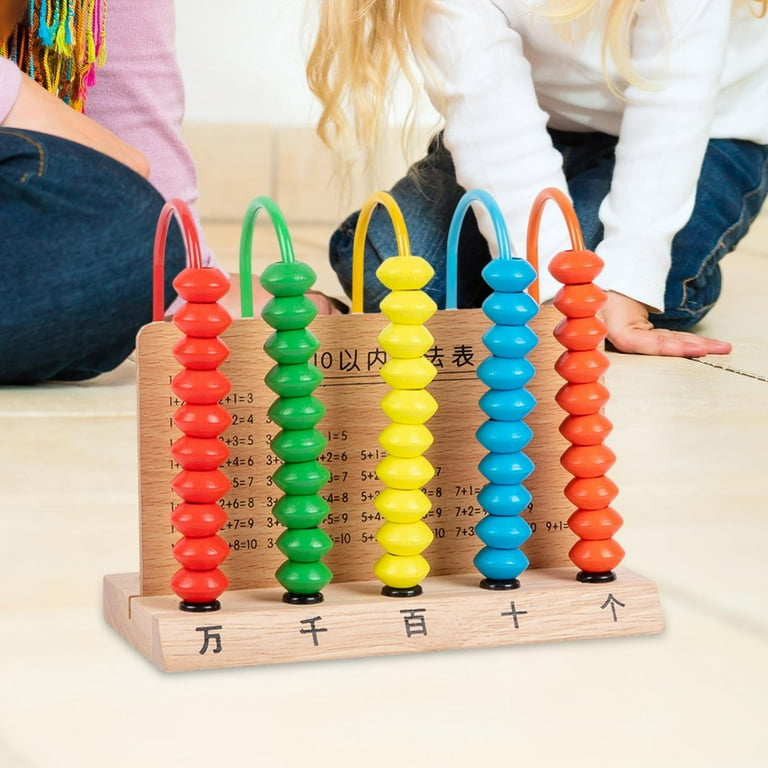
Stacking and sorting toys are great for hand-eye coordination. Toddlers learn to place objects carefully on top of each other. Sorting shapes or colors helps them recognize patterns. These toys improve fine motor skills by encouraging precise finger movements.
Push And Pull Toys
Push and pull toys help toddlers develop gross motor skills. They encourage walking and balance as children move with the toy. These toys build strength and coordination in arms and legs. Playing with push and pull toys makes movement fun and engaging.
Building Blocks And Puzzles
Building blocks and puzzles teach problem-solving and coordination. Toddlers use their hands to fit pieces together. This activity improves spatial awareness and fine motor control. These toys also promote patience and focus during play.
Choosing The Right Toys
Choosing the right toys plays a big role in helping toddlers learn coordination. Toys must fit their skills and interests. The right toys keep toddlers engaged and encourage movement and control.
Good toys improve hand-eye coordination, balance, and fine motor skills. Picking suitable toys is key to safe and fun learning. Parents and caregivers should focus on age, safety, and materials when selecting toys.
Age-appropriate Options
Toys should match the toddler’s age and development. Younger toddlers need simple toys with large parts. These help with basic grasping and reaching. Older toddlers benefit from toys with more challenges. Puzzles, blocks, and stacking toys support fine motor skills. Age-appropriate toys keep toddlers interested and avoid frustration.
Safety Considerations
Safety matters most. Avoid toys with small parts that toddlers can swallow. Choose toys that are non-toxic and free from sharp edges. Make sure toys are easy to clean. Safe toys reduce risks of accidents and injuries. Always check for safety labels and recalls before buying.
Materials And Durability
Choose toys made from sturdy materials. Plastic, wood, and fabric toys last longer. Durable toys handle rough play and falling. Soft toys should be washable and free of loose parts. Quality materials keep toddlers safe and allow repeated use. Durable toys offer better value and learning chances.
Playtime Strategies To Boost Learning
Playtime offers many chances for toddlers to build coordination skills. Simple strategies make play more fun and educational. Using toys in the right way helps children move, think, and grow. This section shares easy ideas to boost learning during play.
Interactive Play Techniques
Engage with your toddler during play. Use toys that respond to actions, like blocks that stack or puzzles with shapes. Ask questions like “Where does this piece go?” to encourage thinking and hand movements. Praise small successes to build confidence. Interaction helps toddlers focus and improve fine motor skills.
Incorporating Movement
Choose toys that invite movement, such as balls, ride-on toys, or stacking rings. Encourage toddlers to reach, throw, and crawl. These actions develop both large and small muscles. Moving around makes learning active and fun. It helps toddlers connect what they see with how they move.
Balancing Free Play And Guided Activities
Allow time for free play where toddlers explore toys on their own. This fosters creativity and problem-solving. Mix in short guided sessions where you show how to use toys. Guide gently without taking over. This balance supports independence and skill-building. Toddlers learn best with both freedom and support.
Tracking Progress And Adjusting Play
Tracking progress and adjusting play are key to helping toddlers develop coordination. Careful observation shows how children improve. Changing toys and activities keeps them interested and challenged. This approach supports steady growth and builds confidence.
Recognizing Milestones
Milestones mark important steps in a toddler’s coordination journey. Look for simple signs like reaching, grabbing, or stacking blocks. These actions show growing hand-eye coordination and fine motor skills. Celebrate these moments to encourage further development. Noticing delays can help guide extra support or play changes.
Adapting Toys As Skills Grow
Toys should match a child’s current abilities. Start with soft blocks or large pieces for beginners. Switch to smaller or more complex toys as skills improve. This keeps play interesting and pushes coordination forward. Adapt toys by adding new parts or changing how they are used.
When To Introduce New Challenges
New challenges help toddlers use their skills in different ways. Introduce puzzles or stacking games once basic coordination is strong. Balance toys or simple balls can follow to build more control. Watch for signs of frustration to avoid overwhelm. Gradual challenges keep play fun and learning effective.

Credit: www.amazon.com

Credit: www.amazon.com
Frequently Asked Questions
How Do Toys Improve Toddlers’ Hand-eye Coordination?
Toys encourage toddlers to grasp, hold, and manipulate objects. These actions enhance hand-eye coordination by linking visual input with hand movements. Repeated play strengthens neural pathways, improving precision and timing in their motor skills.
What Types Of Toys Boost Toddler Coordination Best?
Building blocks, puzzles, and stacking toys are excellent for coordination. They require fine motor skills, problem-solving, and hand-eye coordination. Active toys like balls and ride-ons also help develop gross motor control and balance.
When Do Toddlers Start Developing Coordination Skills?
Toddlers begin developing coordination skills around 6 to 12 months. Early play activities like reaching, crawling, and grasping promote motor skill growth. Consistent practice with toys further refines their coordination as they grow.
Can Playing With Toys Prevent Coordination Delays?
Yes, engaging toddlers with appropriate toys can prevent coordination delays. Play stimulates muscle control and brain development. Early intervention through play supports timely motor milestones and reduces risks of developmental delays.
Conclusion
Toys play a big role in helping toddlers learn coordination. They make practice fun and keep kids interested. Toddlers develop hand-eye skills and control small movements. Playing with toys builds confidence and encourages exploration. Parents can choose simple toys that match their child’s age.
This helps children grow at their own pace. Small steps lead to big progress in motor skills. Toys create chances for learning through play every day. Helping toddlers learn coordination sets a strong foundation for future skills.
