

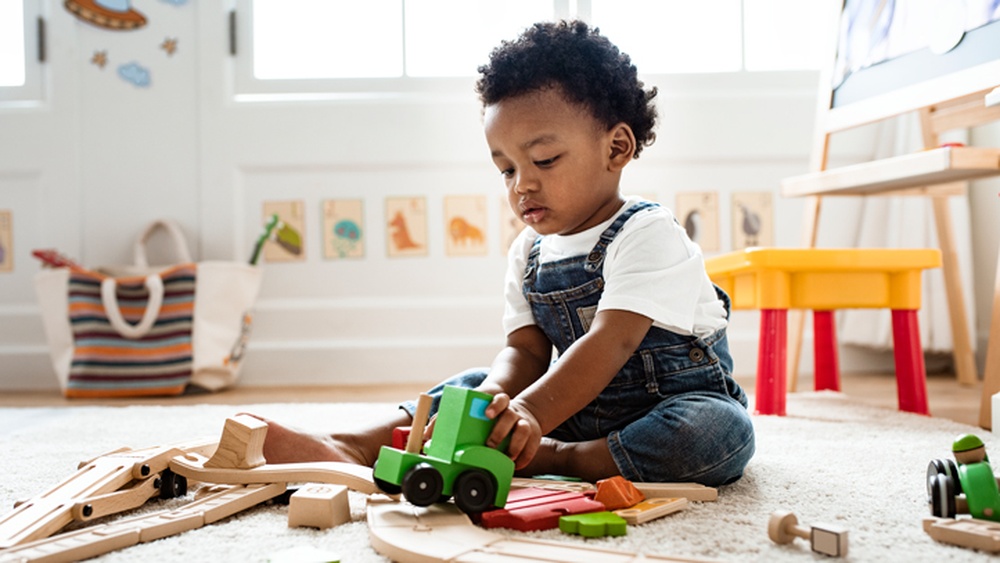
Are you wondering when your toddler will start playing on their own? Watching your little one grow and become more independent is exciting, but it can also bring questions and a bit of worry.
You might be eager to know the right time for your child to enjoy solo play safely and happily. Understanding when toddlers begin to play independently can help you support their development and give yourself a well-deserved break. Keep reading to discover the signs to look for and how you can encourage your toddler’s independent play in simple, effective ways.

Credit: busytoddler.com
Early Signs Of Independent Play
Independent play is a key step in a toddler’s growth. It shows that a child starts to explore the world alone. Parents can watch for early signs to understand when their child is ready for solo play. These signs reveal new skills and confidence in toddlers.
Age Range For First Solo Play
Toddlers often begin solo play between 12 and 18 months. Some may start a little earlier or later. This stage depends on each child’s personality and environment. Around this time, toddlers show interest in toys without needing help. They spend short periods playing alone while still checking on parents.
Common Behaviors In Early Play
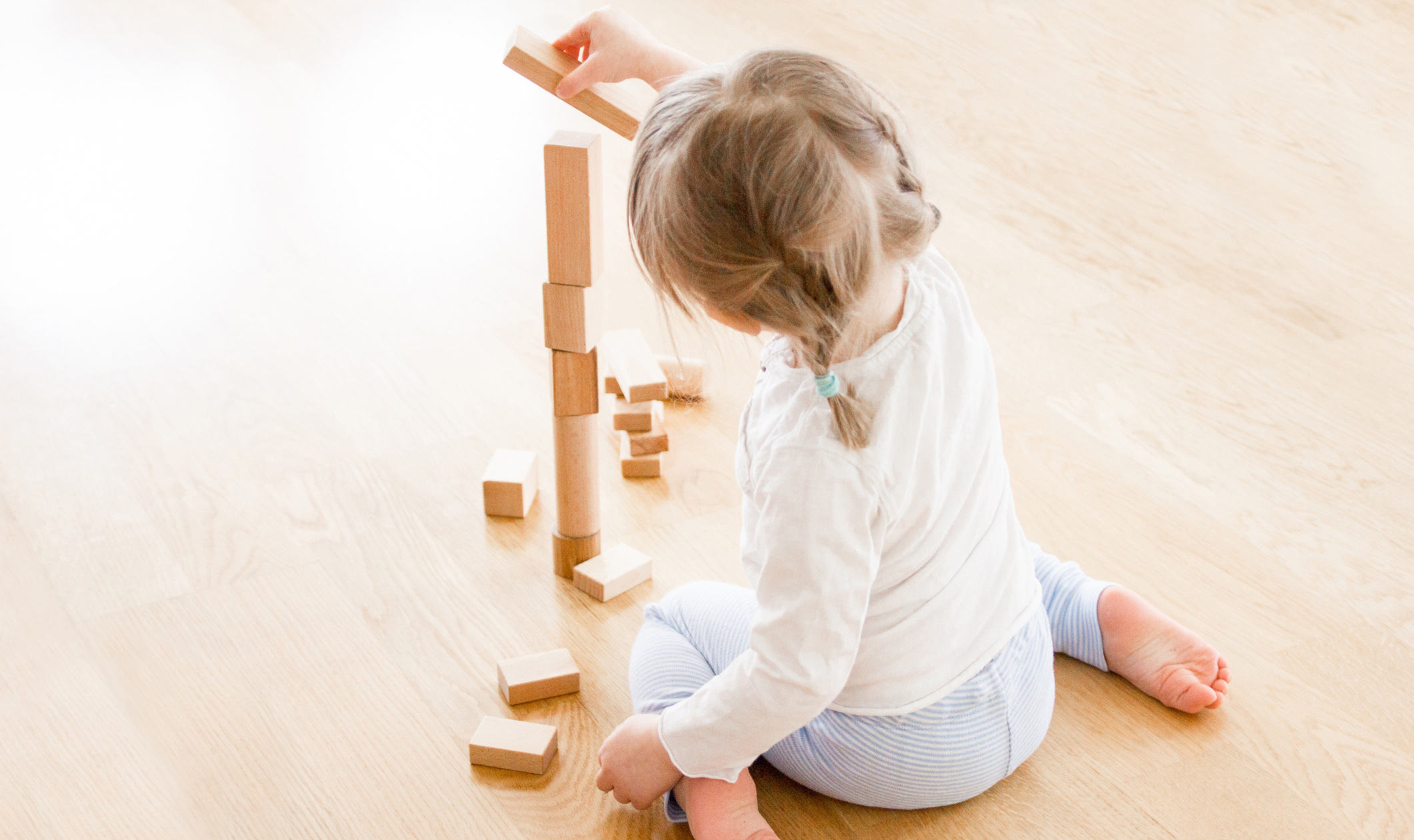
At first, toddlers play beside others but not with them. This is called parallel play. They like to repeat simple actions like stacking blocks or sorting shapes. Toddlers enjoy exploring toys by touching and moving them. They may also look at picture books quietly. These behaviors show growing focus and curiosity.
Milestones In Independent Play
Independent play is a key part of a toddler’s growth. It helps build focus, creativity, and confidence. Toddlers reach different stages as they learn to play on their own. Understanding these milestones helps parents support their child’s development.
Each stage shows how a child’s skills and attention span grow. Watching these changes can be exciting and rewarding for parents.
Playing Alone Briefly
Toddlers often start by playing alone for short moments. This can be as quick as a few minutes. They explore toys or objects without needing help. This short play shows early independence and curiosity. It is normal for toddlers to return to parents often.
Engaging In Imaginative Play
By about two years old, toddlers begin imaginative play. They use simple ideas and pretend objects. For example, a block can become a phone. This play helps develop thinking and language skills. Toddlers start telling little stories through their play.
Sustaining Longer Play Sessions
Between two and three years, toddlers play alone longer. Sessions can last 10 to 20 minutes or more. They focus better and enjoy repeating actions. They build simple structures or solve small problems. This longer play shows growing patience and independence.
Factors Influencing Independent Play
Independent play is a key part of toddler growth. Many factors shape how and when toddlers start playing alone. Understanding these influences helps parents support their child’s play skills. Each toddler is unique, so their journey to independent play varies.
Role Of Environment
A safe, calm space invites toddlers to explore alone. Toys within reach encourage self-directed play. Clutter or loud noises can distract or scare young children. A well-organized play area helps toddlers focus and feel secure.
Parental Involvement And Encouragement
Parents who gently encourage solo play build confidence. Watching nearby, without interrupting, lets toddlers try new things. Praising small efforts motivates children to keep playing independently. Over-involvement may reduce a toddler’s chance to explore alone.
Temperament And Personality
Some toddlers are naturally curious and eager to play alone. Others prefer company and need more time to feel comfortable. Shy children might need extra support to start solo play. Understanding a child’s temperament guides better playtime approaches.
Encouraging Independent Play
Encouraging independent play helps toddlers learn and grow. It builds their confidence and imagination. Toddlers enjoy exploring by themselves when they feel safe and supported.
Parents and caregivers can help by setting up the right environment and routine. This support makes independent play fun and stress-free.
Creating A Safe Play Space
Choose a quiet and secure area for your toddler to play. Remove sharp or small objects that could cause harm. Use soft mats or rugs to cushion falls. A safe space lets toddlers explore without danger. This freedom encourages longer and more focused play sessions.
Choosing Appropriate Toys
Select toys that match your toddler’s age and skills. Simple puzzles, blocks, and stacking cups work well. Avoid toys with small parts that can be swallowed. Toys should inspire creativity and problem-solving. When toddlers like their toys, they play alone happily.
Setting Routine Play Times
Pick regular times each day for independent play. Consistency helps toddlers expect and enjoy these moments. Start with short sessions, then increase time gradually. Routine makes play a natural part of the day. Toddlers learn to enjoy playing by themselves at set times.
Benefits Of Independent Play
Independent play is important for toddlers. It helps them grow in many ways. Playing alone lets children explore their world and learn skills. This time alone builds a strong base for future learning and social skills.
Boosting Creativity And Imagination
Toddlers use their mind to create new ideas during independent play. They imagine stories and make up games. This kind of play helps them think freely and try new things. It encourages creative thinking that lasts a lifetime.
Building Problem-solving Skills
Playing alone helps toddlers face small challenges. They learn how to fix problems without help. This practice builds their confidence and thinking skills. Toddlers start to find solutions on their own, which is very important.
Fostering Emotional Development
Independent play helps toddlers understand their feelings. They learn to enjoy being alone and feel calm. This time also teaches patience and self-control. Toddlers grow emotionally stronger and more confident through solo play.
Signs Of Readiness For Independent Play
Recognizing when toddlers are ready for independent play helps parents support their growth. This readiness shows through clear signs. Toddlers begin to explore and enjoy playing alone. Watching for these signs helps create a safe, fun space for them.
Showing Curiosity
Toddlers start to explore toys and objects by themselves. They touch, move, and try new things without help. Curiosity drives them to learn and discover. This interest in their surroundings shows they are ready to play alone.
Demonstrating Focus
Young children can concentrate on a toy or activity for several minutes. This focus means they feel engaged and calm. Toddlers who stay with one task show they can enjoy independent play. It also helps build attention skills.
Expressing Comfort Alone
Toddlers feel safe and calm when parents step away briefly. They do not cry or get upset immediately. This comfort shows trust and readiness to explore by themselves. They learn to enjoy their own company while playing.
Common Challenges And Solutions
Independent play is a big step for toddlers. It helps them learn and grow. Yet, parents often see some common challenges during this stage. These challenges can make independent play tricky. Understanding these issues helps parents support their toddlers better. Here are some common challenges and easy solutions.
Separation Anxiety
Toddlers often feel scared when parents leave. This is normal. They want to stay close and feel safe. To help, start with short separations. Stay nearby and smile to show you are close. Use a favorite toy or blanket for comfort. Praise your toddler when they play alone. This builds their confidence slowly.
Short Attention Span
Toddlers get bored quickly. They change toys or activities fast. Offer simple, interesting toys that match their age. Change toys often to keep things new. Keep play sessions short at first. Gradually increase the time as their focus grows. Give gentle reminders to finish one activity before starting another.
Balancing Social And Solo Play
Toddlers need both play types. Solo play builds independence. Social play teaches sharing and talking. Plan daily time for both. Join your toddler sometimes for social play. Let them play alone with safe toys too. This balance helps their overall growth and happiness.
Credit: www.pbs.org

Credit: mccaedu.org
Frequently Asked Questions
When Do Toddlers Typically Begin Independent Play?
Toddlers usually start independent play between 18 to 24 months. They develop curiosity and enjoy exploring toys alone. This phase supports creativity and problem-solving skills. Encouraging safe environments promotes confident solo play.
How Long Can Toddlers Play Independently?
Toddlers can play independently for 5 to 15 minutes initially. As they grow, this time increases to 30 minutes or more. Regular practice helps extend their focus and attention span during playtime.
What Are Signs Of Healthy Independent Play In Toddlers?
Healthy independent play involves curiosity, focus, and creativity. Toddlers engage with toys, solve problems, and explore safely. They show enjoyment and return to play after brief distractions, indicating comfort and confidence.
How Can Parents Encourage Independent Play In Toddlers?
Parents can encourage independent play by creating a safe space with age-appropriate toys. Offering praise and gradually increasing solo playtime boosts confidence. Avoid constant interruptions to help toddlers develop focus.
Conclusion
Toddlers begin independent play at different ages. Most start around 18 to 24 months. This time helps them learn and grow alone. Parents can encourage this by offering safe toys. Watching your child explore builds confidence and creativity. Remember, every child develops at their own pace.
Patience and support make a big difference. Enjoy these moments of discovery and fun. Independent play is a key step in childhood. Keep offering chances for your toddler to play alone. It helps them become more independent and happy.
