

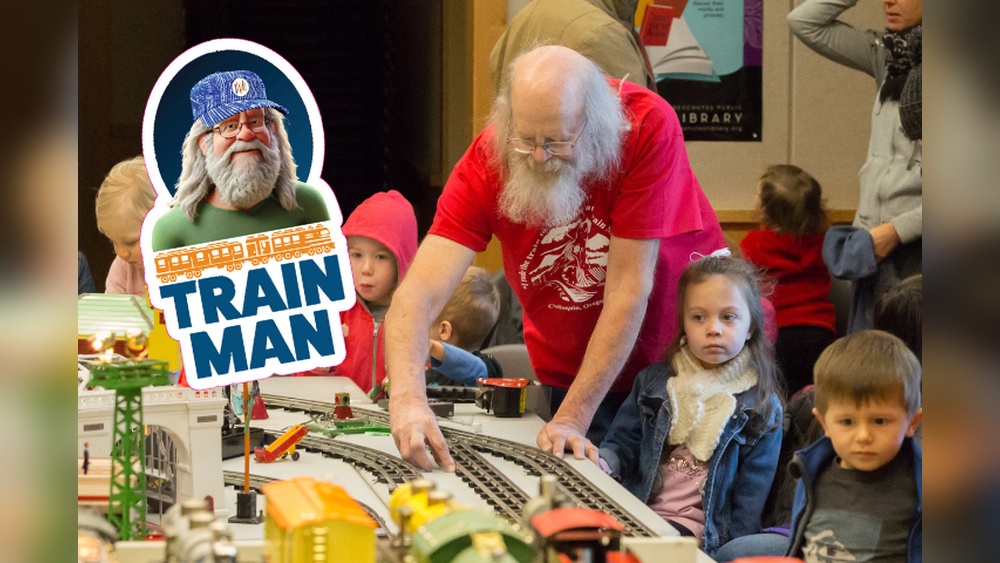
Have you ever noticed your toddler mimicking everything you do while playing with their toys? It’s not just cute—it’s a powerful way your child learns about the world.
When toddlers copy adults during play, they’re soaking up more than just fun; they’re building skills that shape their thinking, speaking, and social behavior. Understanding why your little one mirrors you can unlock new ways to support their growth and make playtime even more meaningful.
Keep reading to discover the surprising reasons behind this natural behavior and how you can turn everyday moments into valuable learning opportunities.
Toddlers And Mimicry
Toddlers learn a lot by copying the adults around them. Mimicry helps them understand how things work. It also builds their skills in a fun way.
Watching adults play with toys gives toddlers ideas. They try to do the same actions. This copying helps them practice new behaviors.
Role Of Observation
Toddlers watch closely what adults do with toys. They notice small details like how to hold or move a toy. This careful watching helps them copy actions correctly.
Observation is a key step before trying new things. Toddlers learn rules and roles by seeing adults act. This helps them know what to do during playtime.
Imitation As Learning
Imitating adults is more than copying. It helps toddlers understand cause and effect. For example, pushing a toy car shows how it moves.
Through imitation, toddlers also learn social skills. They practice sharing, taking turns, and using language. This makes playtime both fun and educational.

Credit: www.amazon.com
Social Connection Through Play
Toddlers learn a lot by copying adults during toy play. This copying helps them feel close to others. Play is more than fun; it is a way to connect. Through play, toddlers explore how to be part of their family and community. They watch and imitate adults to understand social rules and emotions.
Building Relationships
When toddlers copy adults, they build strong relationships. Imitating adult actions shows interest and trust. Toddlers want to be like their caregivers. This shared play creates moments of togetherness. These moments help toddlers feel safe and loved. They also learn how to share and take turns. Copying helps toddlers join conversations and activities. It is a way to say, “I want to be with you.”
Emotional Bonding
Playing like adults helps toddlers bond emotionally. Mimicking behavior shows understanding and care. Toddlers feel closer to adults during play. It is a way to express feelings without words. This bonding builds strong emotional connections. Toddlers learn empathy by observing adult emotions. They copy smiles, frowns, and tone of voice. These actions help them connect deeply with others. Emotional bonding through play supports healthy social skills.
Cognitive Development Factors
Toddlers copying adults during toy play shows important cognitive development. This copying is not just imitation. It helps toddlers learn how to think and understand the world. Their brain grows by watching adults solve problems and use language. These actions build strong mental skills.
Problem Solving Skills
Toddlers watch adults handle toys and tasks. They see how adults fix problems step by step. Copying these actions helps toddlers practice their own problem solving. They learn to try different ways to reach a goal. This skill is key for everyday life and learning.
Language Growth
Toddlers hear adults talk while playing. They copy words and sentences. This copying helps toddlers learn new words fast. It also teaches them how to use words in the right way. Talking during play supports strong language skills.
Influence Of Adult Behavior
Toddlers learn a lot by watching adults. The way adults act around toys shapes how toddlers play. Adults serve as role models, showing toddlers how to use toys. This influence helps toddlers understand the world better. They copy adult behavior to try new skills and ideas. The way adults react during play also guides toddlers.
Modeling Actions
Toddlers watch adults closely. They see how adults handle toys and repeat those actions. This copying is called modeling. It helps toddlers learn new ways to play. Adults show how to share, build, or pretend with toys. Toddlers imitate these behaviors to fit in and learn social skills. Watching adults helps toddlers know what to do next.
Reinforcement And Feedback
Adults give feedback during play. They smile, talk, or clap when toddlers copy correctly. This positive response encourages toddlers to keep trying. If adults gently correct, toddlers learn better ways to play. Feedback helps toddlers understand right and wrong actions. It builds their confidence and helps them improve. Toddlers feel safe to explore when adults support their efforts.
Benefits Of Copying In Play
Copying adults during toy play offers many benefits for toddlers. It helps them learn new skills and understand the world around them. Watching and imitating adults allows toddlers to practice tasks in a safe and fun way. This type of play supports brain development and builds confidence.
Skill Acquisition
Toddlers gain important skills by copying adults. They learn how to use objects and tools correctly. For example, pretending to cook or clean teaches hand-eye coordination. Copying also helps improve language skills as toddlers hear and repeat words. These early skills prepare toddlers for real-life tasks and challenges.
Creativity Boost
Imitating adults sparks creativity in toddlers. They mix what they see with their own ideas. This helps them invent new ways to play and solve problems. Copying builds imagination by letting toddlers explore different roles. It encourages thinking beyond the usual and trying new things.

Credit: www.annenbergpublicpolicycenter.org
Encouraging Positive Imitation
Toddlers learn a lot by copying adults. This is a key way they grow and understand the world. Encouraging positive imitation helps children pick up good habits early. It also builds their confidence and social skills. Adults play a big role in guiding what toddlers copy. Positive actions lead to positive learning.
Creating the right environment encourages toddlers to imitate useful behaviors. Simple changes in daily play can make a big difference. Here are some ways to support good imitation during toy play.
Setting Good Examples
Adults should show kind and helpful actions during play. Toddlers notice small details like sharing and saying please. Using polite words and gentle tones teaches respect. Showing patience when solving problems sets a calm example. Kids copy what they see most often. Being a good role model helps toddlers learn right from wrong.
Interactive Play Ideas
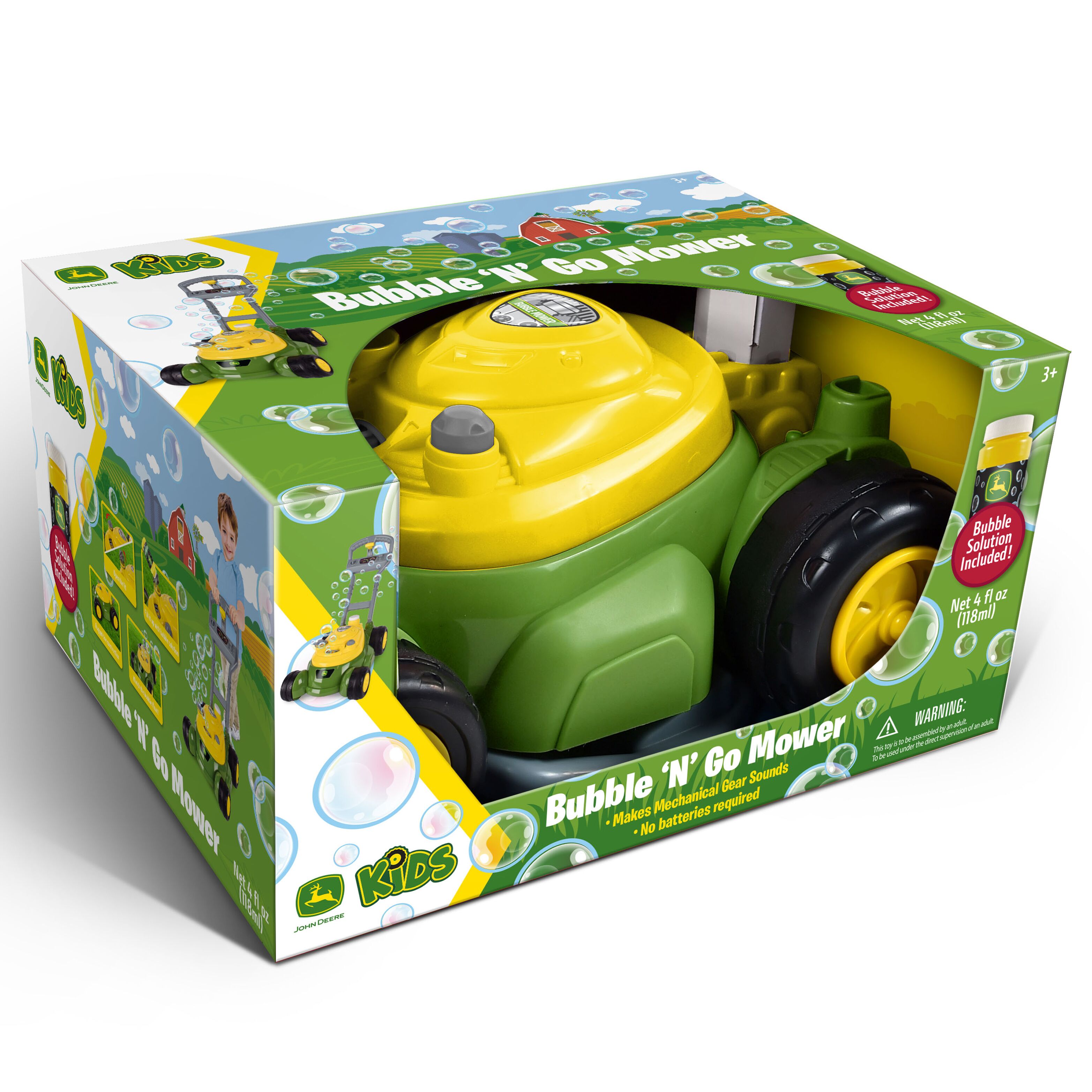
Join toddlers in their play to guide their actions. Pretend play with toys lets children try new roles safely. Act out daily tasks like cooking or cleaning using toy sets. Encourage sharing toys and taking turns during playtime. Ask simple questions to make them think and respond. These steps keep toddlers engaged and learning positive skills.
Credit: www.theisens.com
Frequently Asked Questions
Why Do Toddlers Imitate Adults During Play?
Toddlers imitate adults to learn social behaviors and communication skills. Copying helps them understand roles and routines in daily life. It also boosts their cognitive and emotional development.
How Does Toy Play Help Toddlers Learn From Adults?
Toy play creates a safe space for toddlers to mimic adult actions. This practice improves problem-solving, creativity, and social interaction. It fosters language growth and builds confidence in real-life situations.
What Skills Do Toddlers Develop By Copying Adults?
By copying adults, toddlers enhance language, motor, and social skills. They learn cause and effect, empathy, and cooperation. These skills are essential for their overall growth and future learning.
When Do Toddlers Start Copying Adults During Play?
Toddlers begin copying adults as early as 12 months old. This behavior peaks between 18 to 24 months when imitation becomes a key learning tool. It continues as they grow and explore.
Conclusion
Toddlers learn a lot by copying adults during play. They watch closely and try to do the same things. This helps them understand how the world works. Playing with toys like adults builds their skills and confidence. It also helps them practice talking and solving problems.
Watching and copying is a natural way toddlers grow and learn. Parents and caregivers can support this by playing along and showing good examples. This simple act of copying is key to a child’s early development and learning journey.
