

Are you eager to hear your toddler say their first words or string simple sentences together? Choosing the right toys can make a big difference in helping your little one start talking.
But with so many options out there, how do you know which toys truly boost language skills? You’ll discover the best toys that encourage talking, spark curiosity, and make learning fun. Keep reading to find out how you can support your child’s speech in the most natural and enjoyable way.
Best Toys For Early Speech
Toys play a big role in helping toddlers learn to talk. The best toys encourage children to listen, repeat, and speak new words. They make learning fun and interactive. Choosing the right toys can support early speech development effectively.
Interactive Sound Toys
Interactive sound toys grab toddlers’ attention with noises and music. These toys teach cause and effect. Children press buttons and hear words or sounds. This activity helps them recognize sounds and practice speaking. Simple toys like talking phones or musical instruments work well. They encourage toddlers to copy sounds and build vocabulary.
Storytelling And Reading Toys
Toys that tell stories or encourage reading boost language skills. Books with buttons that read aloud help toddlers hear new words. Storytelling toys invite children to listen and respond. These toys improve listening and understanding. They also encourage toddlers to say words or phrases. Reading toys create a fun way to learn new vocabulary and sentence structure.
Pretend Play Sets
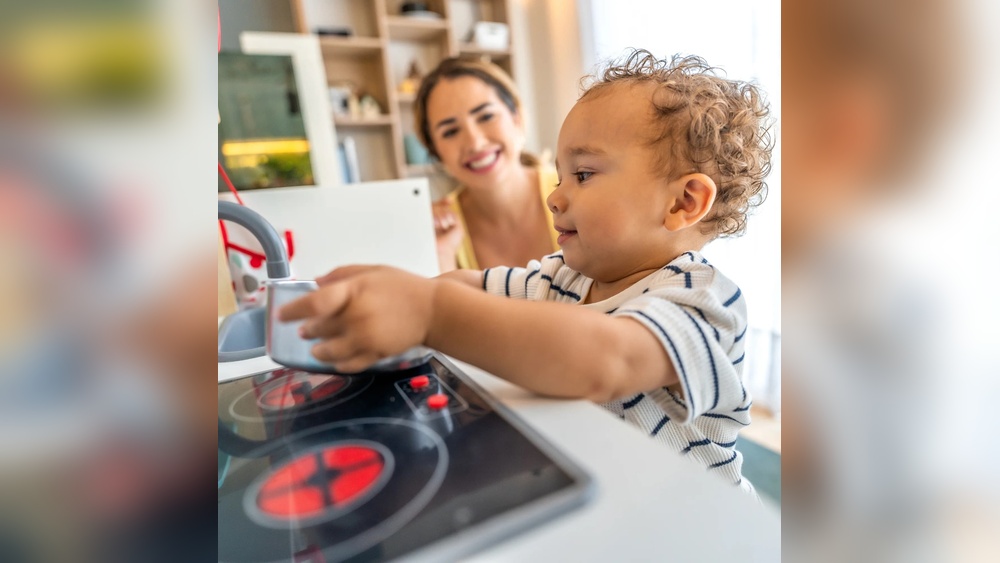
Pretend play sets let toddlers use words in real-life situations. Toy kitchens, doctor kits, and tool sets inspire role play. Children practice talking by naming objects and actions. They create stories and interact using new words. These toys help toddlers connect words with daily life. Pretend play supports speaking skills and imagination.
Credit: toddlertalk.com
How Toys Encourage Talking
Toys play a big role in helping toddlers learn to talk. They make learning fun and natural. Toddlers listen, repeat words, and interact while playing. Each toy guides them in different ways. This section explains how toys encourage talking in three key ways.
Stimulating Listening Skills
Toys with sounds and voices catch toddlers’ attention. They teach children to focus on different noises. Listening to songs, animal sounds, or simple words helps kids learn new sounds. Toys that talk or sing improve listening abilities. Better listening is the first step to speaking well.
Promoting Word Repetition
Toddlers learn words by repeating them often. Toys that say simple words invite kids to copy. Repetition builds memory and confidence. Toys with buttons or pictures encourage saying names again and again. This practice helps toddlers remember words better.
Encouraging Social Interaction
Toys that involve playing with others boost talking skills. Role-play sets and dolls invite conversations. Toddlers learn to use words to ask, share, or express feelings. Talking with parents or friends during play builds language skills. Social play makes learning to talk exciting and real.
Top Picks For Different Ages
Choosing the right toys supports toddlers in learning to talk. Different ages need different toys. This helps match their skill level and interests. Toys that encourage speaking and listening work best. They also boost curiosity and interaction. Here are some top picks for various toddler age groups.
Toys For 12 To 18 Months
At this stage, toddlers start to say simple words. Toys that encourage sounds and gestures help a lot. Soft books with pictures and textures invite touch and naming. Push toys that make sounds teach cause and effect. Musical instruments like tambourines or shakers encourage noise making. These toys build early language skills and attention.
Toys For 18 To 24 Months
Toddlers begin combining words and understanding more. Pretend play toys like dolls and kitchen sets inspire talking. Picture flashcards with common objects support word recognition. Blocks with letters or simple words introduce symbols. Toys with buttons that speak names or phrases help learning. These toys boost vocabulary and simple sentences.
Toys For 2 To 3 Years
By this age, toddlers use short sentences and ask questions. Storybooks with clear pictures encourage storytelling and word use. Interactive toys that ask questions promote responses. Role-play sets like doctor kits invite conversations. Puzzles with words and pictures improve word recall. These toys help toddlers build fluency and confidence.

Credit: www.speechsisters.com
Choosing Safe And Effective Toys
Choosing safe and effective toys for toddlers helps support their speech and language growth. Toys must be fun but also safe and suitable for little hands. Picking the right toys encourages talking and learning through play.
Material And Size Considerations
Choose toys made from non-toxic materials. Avoid small parts that can cause choking. Soft, smooth edges protect little mouths and fingers. Toys should be easy to hold and fit comfortably in toddler hands.
Age-appropriate Complexity
Toys should match the toddler’s developmental stage. Simple toys with clear sounds and pictures work best. Avoid toys that are too complex or confusing. This helps toddlers focus on learning new words and sounds.
Durability And Ease Of Cleaning
Toddlers explore by putting toys in their mouth. Choose toys that are strong and can handle rough play. Easy-to-clean toys help keep germs away. Look for toys that can be wiped or washed often.
Tips For Using Toys To Boost Speech
Toys can be powerful tools for helping toddlers speak. Using the right strategies makes a big difference. Simple steps help children learn new words and sounds. Playtime becomes a chance to practice talking. Here are key tips for using toys to boost speech.
Engaging In Playful Conversations
Talk with your toddler during play. Describe what the toy does or what you see. Ask simple questions like “What color is this?” or “Can you say ball?” Pause and wait for a reply. This encourages your child to try talking. Keep your tone warm and friendly. Make the conversation fun and natural. This helps toddlers connect words with actions.
Repetition And Consistency
Repeat words often during play sessions. Use the same toys regularly to build familiarity. Hearing words many times helps toddlers remember them. Consistent practice makes speech easier for young children. Use short phrases and clear pronunciation. Avoid rushing or speaking too fast. Regular playtimes with speech focus show steady progress.
Combining Toys With Everyday Activities
Bring toys into daily routines like mealtime or bath time. Name objects and actions while using the toys. For example, “Let’s wash the duck” or “Time to eat apple.” Linking toys with real-life moments makes learning meaningful. It helps toddlers understand how words fit in their world. Use simple words and repeat them often during activities.

Credit: toddlertalk.com
Frequently Asked Questions
What Types Of Toys Encourage Toddler Speech Development?
Toys like interactive books, puppets, and talking dolls boost toddler speech. These toys promote vocabulary building and conversational skills effectively.
How Do Musical Toys Help Toddlers Talk?
Musical toys engage toddlers through rhythm and sound. They enhance listening skills and encourage verbal imitation, aiding language growth.
Are Picture Books Useful For Toddler Language Skills?
Yes, picture books stimulate word recognition and storytelling. They improve comprehension and encourage toddlers to express themselves verbally.
Can Pretend Play Toys Improve Toddler Communication?
Pretend play toys foster imagination and social interaction. They help toddlers practice language in real-life scenarios, enhancing speaking skills.
Conclusion
Toys that encourage talking help toddlers learn new words. Simple toys with sounds and pictures keep them interested. Playing with others also boosts language skills. Choose toys that invite children to speak and listen. Regular playtime with these toys supports speech growth.
Small steps each day lead to better talking. Keep the experience fun and stress-free for your toddler. Talking becomes easier with practice and the right toys. Watch your child enjoy learning new words through play.
