

Have you ever wondered how much playtime is just right for your toddler each day? Too little, and they might miss out on important learning and fun.
Too much, and you could worry about their focus or safety. Finding the perfect balance can feel tricky, but it’s easier than you think. You’ll discover simple, practical advice on how long your little one should play with toys daily to boost their growth, happiness, and curiosity.
Keep reading to unlock tips that can make playtime more rewarding for both you and your toddler!
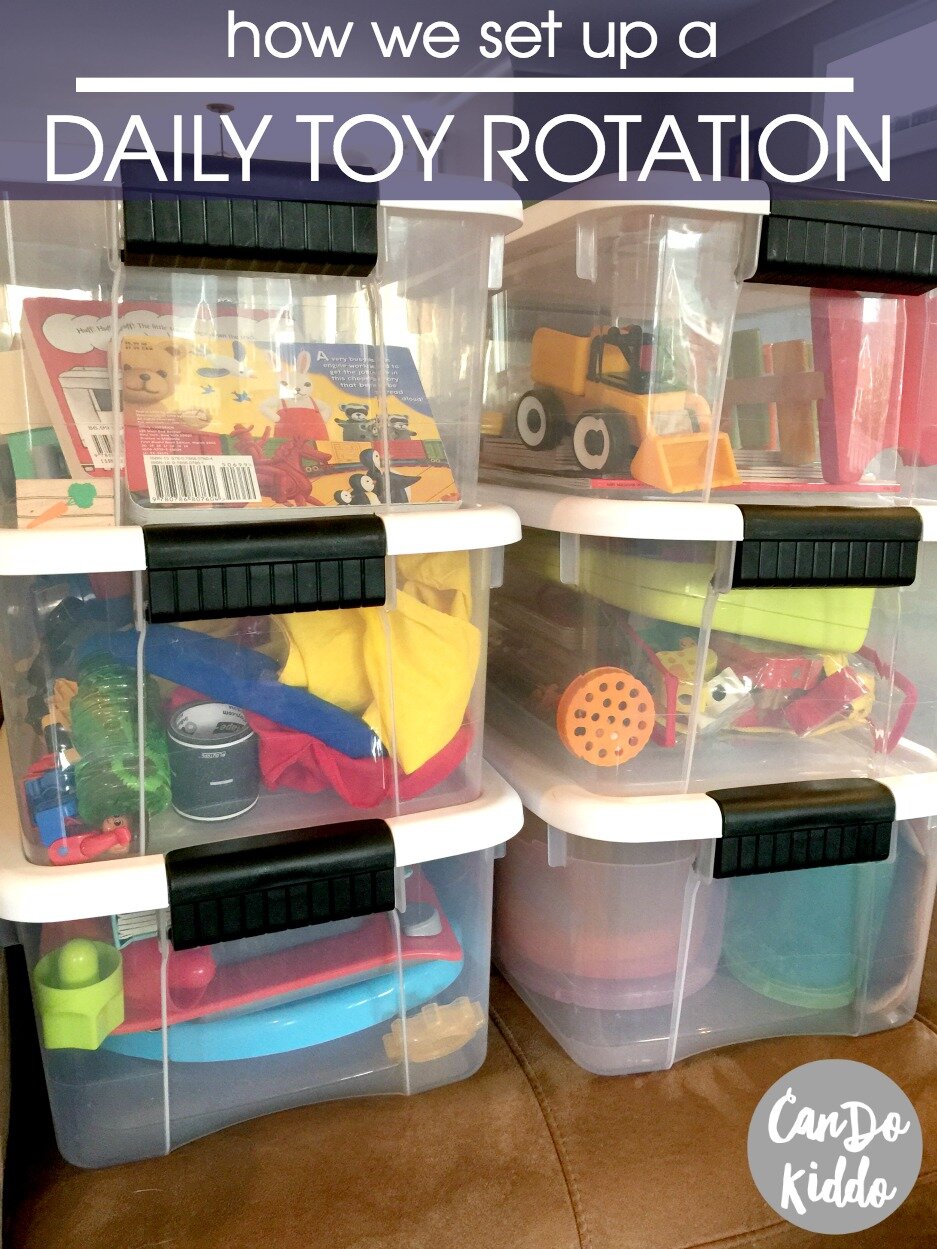
Credit: www.candokiddo.com
Ideal Playtime Duration
Knowing the ideal playtime duration for toddlers helps parents support healthy growth. Play is vital for learning and development. It also keeps toddlers happy and active. Setting the right amount of playtime balances fun and rest. This balance supports physical health and brain development.
Recommended Hours By Age
Toddlers aged 1 to 2 years should play about 1 to 2 hours daily. This time includes different types of toys and activities. For toddlers aged 2 to 3 years, 2 to 3 hours of play is good. Split this playtime into short sessions throughout the day. Variety in play keeps toddlers interested and helps skills grow.
Balancing Play And Rest
Toddlers need plenty of rest alongside play. Too much play can tire them out quickly. Watch for signs of tiredness or fussiness. Break playtime into smaller parts with rest in between. Quiet time or naps help recharge energy. Balanced play and rest improve mood and attention.
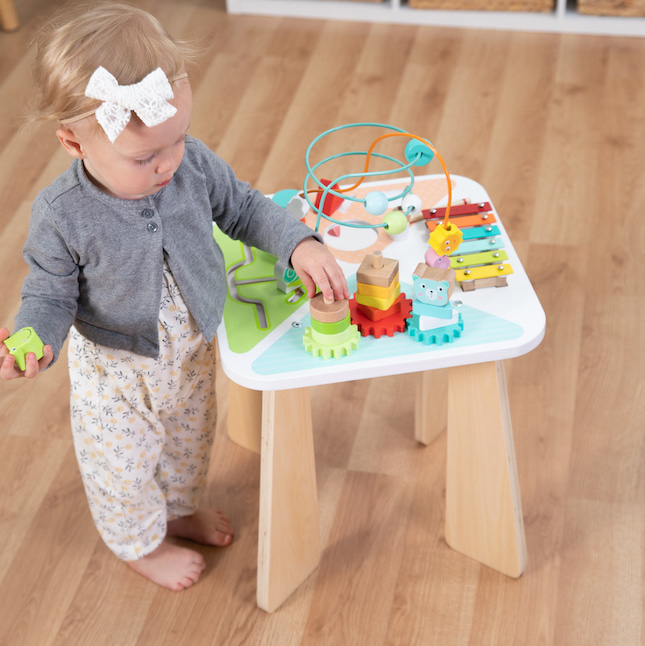
Credit: www.fatbraintoys.com
Benefits Of Play For Toddlers
Play is essential for toddlers. It shapes how they learn and grow every day. Through play, toddlers explore their world and build many skills. This time with toys helps their minds, bodies, and feelings develop well.
Cognitive Development
Playing with toys helps toddlers think and solve problems. They learn to recognize shapes, colors, and numbers. Toys encourage them to imagine and create new ideas. This builds memory and attention skills too.
Physical Growth
Toddlers move their bodies while playing with toys. This strengthens muscles and improves coordination. Fine motor skills grow as they grasp, stack, and push objects. Physical play also helps develop balance and hand-eye coordination.
Emotional Well-being
Play allows toddlers to express feelings safely. They learn to manage emotions like joy or frustration. Playing also builds confidence and independence. Social play teaches sharing and understanding others’ feelings.
Types Of Toys To Encourage Play
Choosing the right toys helps toddlers enjoy playtime and learn new skills. Different toys support various types of growth. Some focus on thinking, others on creativity, and some on moving the body. Offering a mix of toys keeps play interesting and balanced.
Educational Toys
Educational toys help toddlers develop thinking and problem-solving skills. Puzzles, shape sorters, and counting blocks teach shapes, numbers, and colors. These toys improve memory and attention. They prepare children for school tasks.
Creative Toys
Creative toys let toddlers use their imagination. Crayons, play dough, and building blocks encourage art and design. These toys develop fine motor skills and hand-eye coordination. They also help children express feelings and ideas.
Active Play Toys
Active play toys promote movement and physical health. Balls, ride-on toys, and jump ropes build strength and balance. These toys help burn energy and improve coordination. They support healthy growth and active habits.
Signs Of Overstimulation
Toddlers love to play and explore. Toys help them learn and have fun. But too much play can cause overstimulation. This means their brain gets tired from too much activity. Parents should watch for signs to know when to stop playtime.
Behavioral Cues
Children show clear signs when they are overstimulated. They may become fussy or cry suddenly. Some toddlers might refuse to play or seem bored quickly. Others may have trouble focusing or get easily frustrated. Yawning and rubbing eyes can also be signs. These behaviors mean they need a break.
When To Take Breaks
Breaks help toddlers calm down and rest their minds. Stop play if your child looks tired or upset. Quiet time or a nap can help them reset. Keep play sessions short and watch for signs of stress. Regular breaks improve mood and keep playtime fun.
Incorporating Play Into Daily Routine
Play is a key part of a toddler’s day. It helps them learn and grow. Making play a regular part of daily life gives structure and fun. Toddlers feel safe with routine. Parents can guide play times to fit learning and rest. Balance is important to keep toddlers happy and active.
Adding play to daily tasks creates good habits. Both planned and spontaneous play moments help toddlers explore the world. They build skills and enjoy new experiences. Parents can use simple steps to include play in everyday life.
Scheduled Play Sessions
Set specific times for play each day. This helps toddlers expect and enjoy play. Short sessions work best, about 20 to 30 minutes. Choose calm parts of the day, like after breakfast or before dinner. Use this time for focused play with favorite toys. It builds attention and skills. Repeat sessions daily to build routine. Keep the environment safe and free of distractions.
Spontaneous Play Opportunities
Play does not always need a schedule. Let toddlers play anytime they show interest. Use everyday moments for quick play. For example, while waiting in line or during a walk. Carry small toys or books for these times. Respond to your toddler’s curiosity with simple games. This type of play encourages creativity. It also helps toddlers learn to play on their own.
Role Of Parents And Caregivers
Parents and caregivers play a key role in how toddlers use their toys daily. They guide the playtime to be fun and safe. Their involvement helps toddlers learn and grow. They also set rules to keep playtime balanced with other activities.
Engaging With Toddlers
Joining toddlers during play creates strong bonds. It helps children feel safe and loved. Adults can show how to use toys in new ways. Talking and playing together builds language and thinking skills. This time also teaches sharing and patience.
Setting Play Limits
Too much toy time can overwhelm toddlers. Setting clear play limits helps keep daily routines steady. Limits teach toddlers about time and self-control. Caregivers should explain why playtime ends. This practice helps toddlers feel secure and understand boundaries.

Credit: www.littlelifelonglearners.com
Frequently Asked Questions
How Many Hours Should Toddlers Play With Toys Daily?
Toddlers should ideally play with toys for 1 to 2 hours daily. This duration supports development and keeps their attention balanced.
Can Too Much Toy Play Harm Toddler’s Growth?
Yes, excessive toy play can limit physical activity and social interaction. Balance is key for healthy toddler growth and learning.
What Types Of Toys Are Best For Toddler Playtime?
Educational and sensory toys are best. They encourage motor skills, creativity, and cognitive development during playtime.
Should Toddlers Have Structured Or Free Play With Toys?
Toddlers benefit from both structured and free play. Structured play teaches skills, while free play fosters imagination and independence.
Conclusion
Toddlers need time to play with toys every day. Around one to two hours is good for most kids. Play helps them learn and grow strong. Too much screen time can stop this. Parents should watch how their child feels.
Happy, curious kids enjoy play the most. Let children explore toys at their own pace. Playtime is not just fun—it builds skills too. Keep play safe and simple for best results. Balance play with rest and other activities. This daily habit supports healthy, happy toddlers.
