

Have you ever wondered how your child learns to put things in order or understand what comes next? Toys play a bigger role in this than you might think.
They don’t just keep kids busy—they help build important skills like sequencing. When your child learns to arrange steps or events correctly, it boosts their thinking and problem-solving abilities. You’ll discover how simple toys can turn playtime into powerful learning moments.
Keep reading to find out how you can support your child’s growth with the right toys and activities.
Credit: baanarjor.com
Role Of Sequencing In Child Development
Sequencing plays a key role in how children grow and learn. It means understanding the order of events or steps in a task. This skill helps kids organize their thoughts and actions clearly. Toys that encourage sequencing guide children to follow patterns and connect ideas. These experiences support many areas of child development.
Playing with sequencing toys builds strong foundations for learning. It helps children process information and improve their daily skills. Each step in a sequence matters. This teaches focus and patience. Kids learn to predict what comes next. These lessons are important for school and life.
Cognitive Benefits
Sequencing toys challenge the brain to think in order. This practice improves memory and attention. Children learn to recognize patterns and categorize objects. These skills boost overall thinking and learning ability. Playing in this way strengthens logic and reasoning. The brain gets better at solving complex tasks. Sequencing helps children understand cause and effect clearly.
Language Skills
Sequencing supports language development by teaching order in speech. Kids learn to tell stories with a beginning, middle, and end. They practice using words like first, next, and last. These words help describe events clearly. Sequencing also improves listening skills and following directions. Children become better at expressing their thoughts. This makes communication easier and more effective.
Problem-solving Abilities
Toys that focus on sequencing encourage children to plan and solve problems. Kids figure out how to put pieces or steps in the right order. This builds critical thinking and decision-making skills. Children learn patience and persistence through trial and error. They discover different ways to reach a goal. Problem-solving grows stronger as children experiment and adjust.

Credit: skillmaticsworld.com
Types Of Sequencing Toys
Toys that teach sequencing help children learn the order of events and steps. These toys improve memory and logical thinking. Kids enjoy playing and learning at the same time. Different toys focus on different types of sequencing skills. Here are some common types that support learning.
Puzzle Games
Puzzle games require children to put pieces in the right order. This helps them see patterns and understand how parts fit together. Simple jigsaw puzzles are great for young kids. More complex puzzles teach advanced sequencing and problem-solving. These toys boost hand-eye coordination and patience too.
Building Blocks
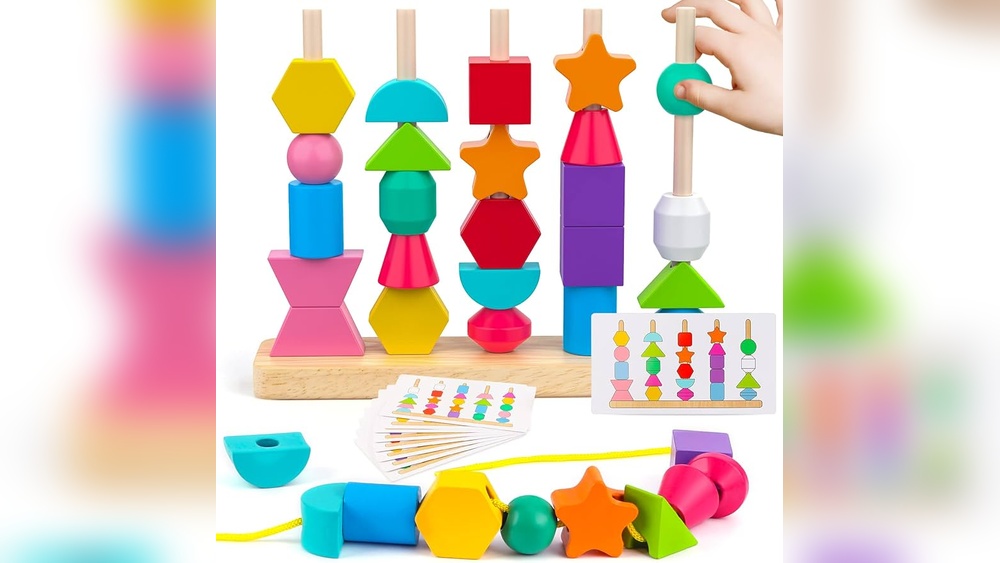
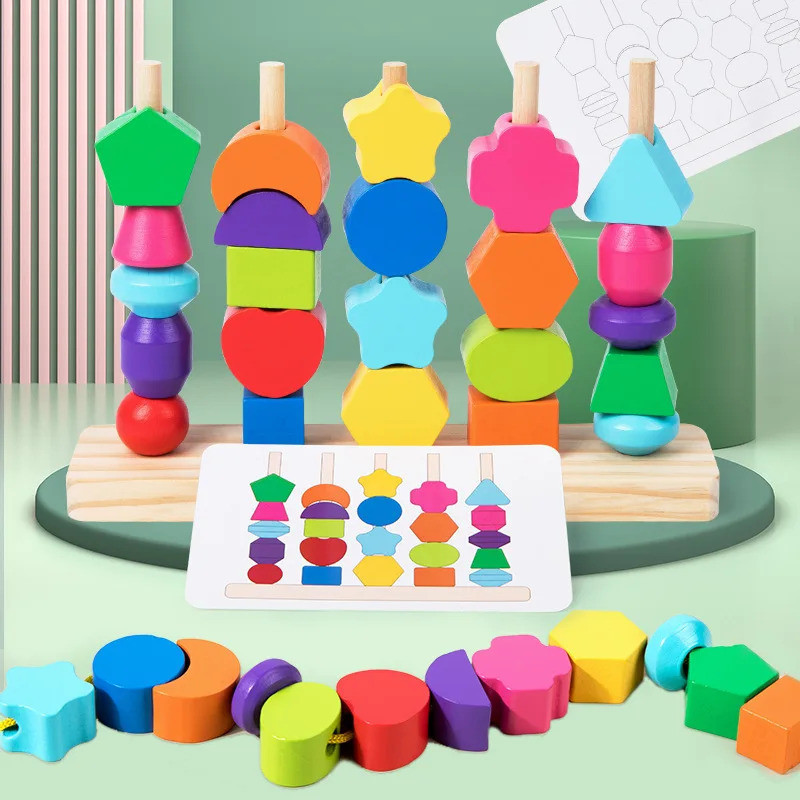
Building blocks allow kids to stack and connect pieces step by step. They learn how to plan and follow a sequence to create structures. Blocks encourage creativity and fine motor skills. Children often copy patterns or create their own sequences. This activity develops spatial awareness and logical thinking.
Storytelling Kits
Storytelling kits include cards or figures that tell a story in order. Kids arrange the parts to make a clear sequence. This helps them understand beginning, middle, and end. These kits improve language skills and memory. Children also practice organizing thoughts and ideas while playing.
How Toys Enhance Sequencing Skills
Toys play a key role in helping children learn sequencing. Sequencing means putting things in the right order. Toys make this learning fun and hands-on. Kids explore patterns, solve problems, and remember steps through play.
Playing with toys helps children build important skills. These skills support their reading, math, and daily tasks. Toys create a safe space for kids to practice and improve sequencing.
Encouraging Pattern Recognition
Toys like blocks and beads show kids repeating patterns. Children learn to spot what comes next. This helps them understand order and predict outcomes. Recognizing patterns strengthens their ability to organize information.
Promoting Logical Thinking
Puzzles and building sets challenge kids to think step-by-step. They figure out how pieces fit together logically. This encourages planning and problem-solving skills. Logical thinking is key for sequencing tasks in school and life.
Supporting Memory Retention
Sequencing toys often require remembering a series of steps. This practice boosts short-term and working memory. Kids recall the order of actions or colors easily. Strong memory helps with following instructions and learning new skills.

Credit: www.amazon.com
Choosing The Right Toys For Different Ages
Choosing the right toys helps children learn sequencing in a fun way. Age matters a lot when picking toys. Toys should match a child’s skills and interests. This makes learning easy and enjoyable. Different ages need different kinds of toys. Each stage builds new skills step by step.
Toddlers
Toddlers enjoy simple toys with clear steps. Stacking blocks or shape sorters work well. These toys teach order and cause-effect. Large puzzle pieces with few parts are good. They help toddlers see how parts fit together. Toys with colors and sounds keep them interested. Toddlers learn best by touching and seeing.
Preschoolers
Preschoolers like toys that tell a story or have sequences. Picture cards or story-building blocks help. These toys encourage memory and planning skills. Simple board games with steps also work. Preschoolers can follow short sequences in play. Toys with patterns or matching tasks suit this age. They start to understand order and timing.
Early Elementary Kids
Early elementary kids enjoy more complex sequencing toys. Building sets with instructions are perfect. They challenge kids to follow steps in order. Puzzle games with many pieces also help. These toys improve logic and problem-solving skills. Story-based games teach cause and effect clearly. Kids at this age enjoy challenges that grow their skills.
Tips To Maximize Learning With Sequencing Toys
Sequencing toys help children learn the order of events. Using these toys well can boost a child’s thinking skills. Simple methods can make playtime both fun and educational. Try to use different ways to engage your child with sequencing toys.
Interactive Play Techniques
Join your child while they play with sequencing toys. Ask questions about what comes next. Use your hands and voice to show excitement. Let your child explain their choices. This makes learning active and helps them remember better.
Incorporating Storytelling
Create small stories around the sequences your child builds. Use simple words to describe what happens first, next, and last. Encourage your child to tell their own story too. This links sequencing with language skills and imagination.
Setting Challenges
Give your child small tasks using the sequencing toys. Start with easy sequences, then increase difficulty step by step. Time the activity or add a small reward for motivation. Challenges keep your child interested and build confidence.
Signs Of Progress In Sequencing Skills
Children show clear signs of progress as they develop sequencing skills through play. These signs help parents and educators understand how well kids organize steps and follow patterns.
Watching these changes can guide adults in choosing the right toys and activities to support learning. Progress in sequencing is not always fast but steady and noticeable.
Improved Task Completion
Kids start finishing tasks more smoothly and quickly. They follow steps in order without skipping or mixing them up. Completing puzzles or building blocks in the right sequence shows this growth clearly.
Enhanced Communication
Children explain actions and stories better. They put events in order when talking, making their stories easier to understand. This skill helps in daily conversations and classroom activities.
Better Focus And Attention
Sequencing tasks require concentration. As skills improve, kids pay attention longer and avoid distractions. They stay on task until all steps are done correctly.
Combining Sequencing Toys With Other Learning Tools
Combining sequencing toys with other learning tools helps children understand order better. It also makes learning more fun and effective. Using different tools together supports various skills. Kids stay interested and learn faster this way.
Digital Apps
Digital apps offer interactive sequencing activities. They show clear steps and give instant feedback. Apps help children practice sequencing at their own speed. Bright colors and sounds keep kids engaged. Parents can track progress easily through app reports.
Hands-on Activities
Hands-on activities let children use their hands to learn. Sorting objects or arranging story cards improves sequencing skills. These activities strengthen fine motor skills too. Kids remember lessons better when they touch and move items. Hands-on tasks add variety to learning routines.
Group Play
Group play encourages kids to work together on sequences. They learn to listen and follow steps in order. Playing with peers builds social skills and teamwork. Group games with sequencing toys make learning lively. Sharing ideas helps children think creatively and clearly.
Frequently Asked Questions
How Do Toys Improve Kids’ Sequencing Skills?
Toys encourage children to recognize order and patterns. Playing with sequence-based toys helps develop memory and logical thinking. These skills are essential for reading, math, and problem-solving.
Which Toys Are Best For Teaching Sequencing?
Puzzle games, building blocks, and story sequencing cards are excellent. They engage kids in arranging events or pieces in the correct order. Such toys enhance cognitive and language development.
At What Age Do Kids Benefit From Sequencing Toys?
Children as young as two years old start benefiting. Early exposure boosts brain development and understanding of cause and effect. Sequencing toys grow with kids, supporting skills at different stages.
Can Sequencing Toys Help With Speech Development?
Yes, sequencing toys support speech by encouraging storytelling and event description. They improve vocabulary and sentence structure as children explain sequences. This practice enhances communication skills.
Conclusion
Toys play an important role in teaching kids how to order events. They make learning fun and hands-on. Kids practice putting things in the right order while they play. This helps improve memory and problem-solving skills. Playing with sequencing toys also builds patience and focus.
Parents and teachers can use toys to support early learning. Simple games and puzzles work well for all ages. Kids enjoy learning when it feels like a game. Small steps lead to big progress over time. Sequencing skills help children in reading and daily tasks.
