

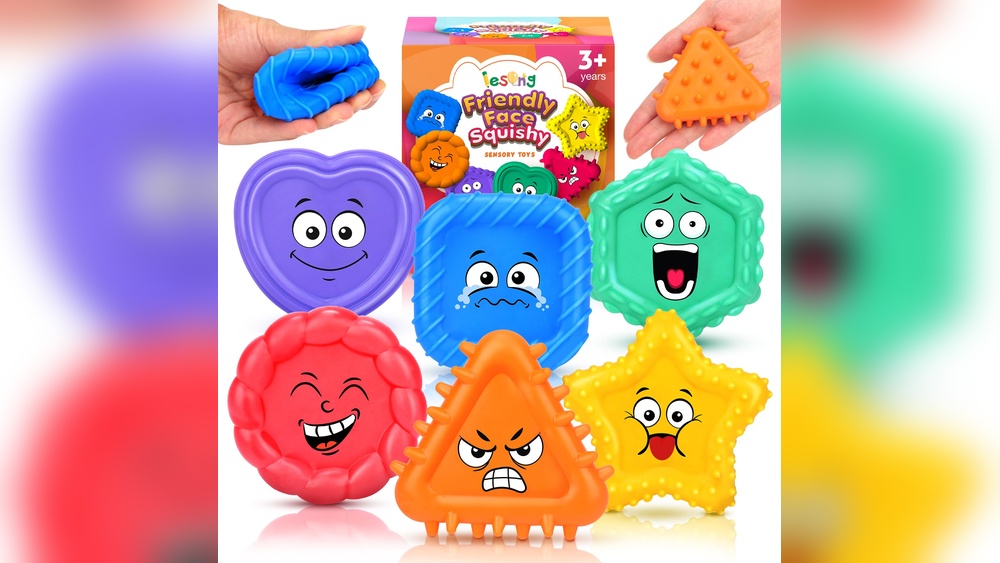
Have you ever noticed how your child clings to a favorite toy when they’re upset or excited? Toys do more than just entertain—they are powerful tools that help kids share what they’re feeling inside.
When words fall short, toys become a bridge between emotions and expression. If you want to understand how your child’s playtime reveals their deepest feelings, keep reading. Discover the surprising ways toys unlock emotions and why this matters for your child’s growth and happiness.

Credit: www.learningresources.com
Role Of Toys In Emotional Expression
Toys help children show their feelings in a safe space. They give kids a way to share emotions without words. Playing with toys allows children to explore what they feel inside. This process supports emotional growth and understanding.
Through toys, kids can act out different emotions like joy, fear, or anger. This helps them recognize and manage their feelings better. Toys also create a bridge between children and adults to talk about emotions.
Toys As Emotional Outlets
Toys serve as tools for children to release strong feelings. A child might squeeze a soft toy to calm down. Dolls or action figures can express sadness or happiness. This helps kids process feelings they cannot explain.
Using toys reduces stress and frustration in children. It gives them control over their emotions. This outlet is important for healthy emotional development.
Encouraging Imaginative Play
Imaginative play with toys lets children create stories. They act out scenes that reflect their emotions. This play helps kids understand complex feelings better. Pretending builds empathy and emotional skills.
When children imagine, they try different roles and perspectives. This practice improves emotional awareness and expression. Toys are key in supporting this creative and emotional learning.
Credit: www.kidsburgh.org
Types Of Toys That Foster Emotions
Toys play a big role in helping children show their feelings. Different toys encourage kids to express emotions in many ways. Some toys let kids act out stories. Others help them create and share their ideas. Some toys give comfort and security. Understanding these types of toys can help adults support children’s emotional growth.
Role-playing Toys
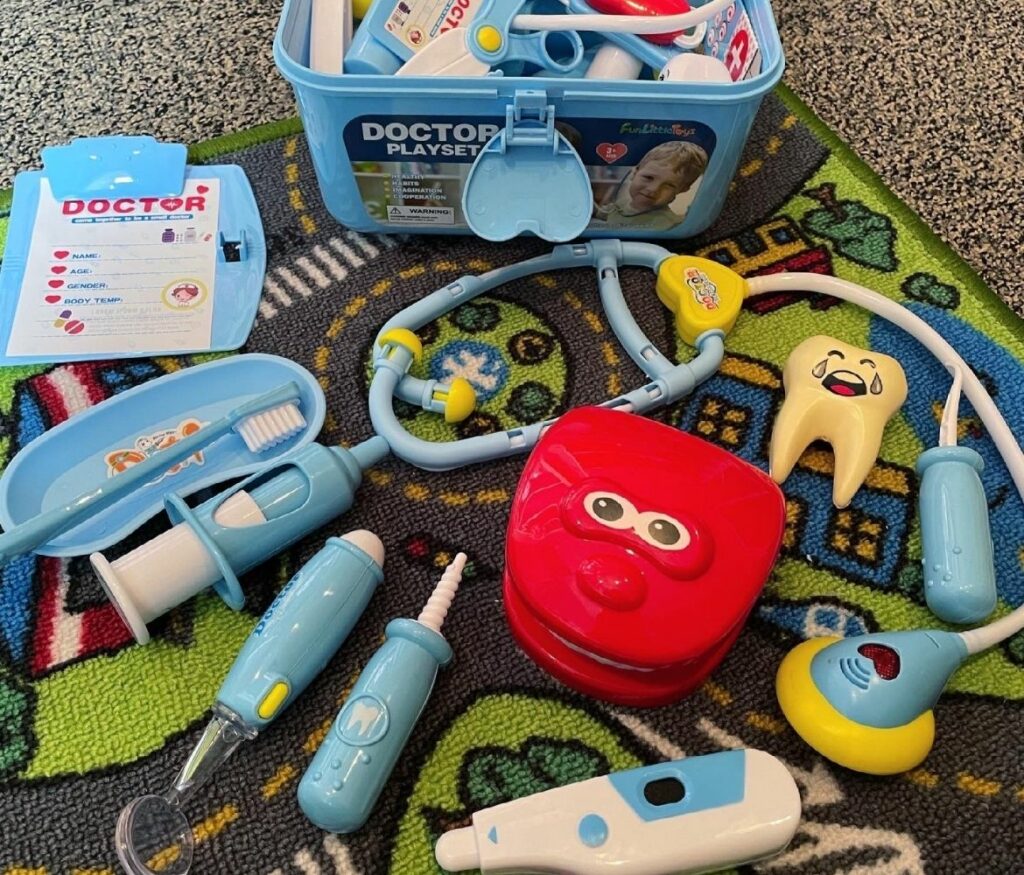
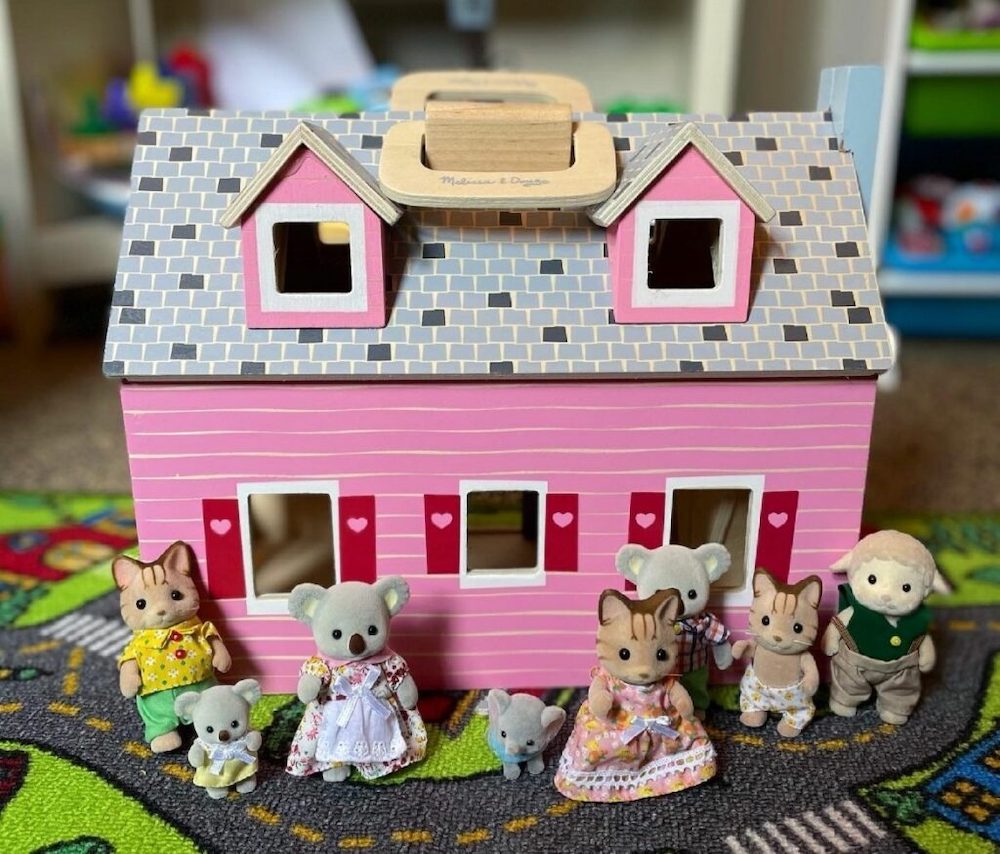
Role-playing toys, like dolls and action figures, allow kids to act out emotions. They create stories that mirror real life. Kids explore feelings like joy, anger, or fear through play. This helps them understand and manage their emotions better. Pretending with these toys also builds empathy and social skills.
Creative Art Supplies
Art supplies such as crayons, paints, and clay let kids express feelings visually. Drawing or molding shapes shows their inner world. This type of play reduces stress and boosts self-confidence. It gives children a safe way to share emotions they cannot say in words.
Comfort Objects
Comfort objects like soft blankets or stuffed animals offer emotional support. Kids use them to feel safe and calm. These toys can ease anxiety during stressful moments. Holding a favorite toy helps children feel secure and loved.
Toys And Emotional Development Stages
Toys play a big role in how children learn to understand and show their feelings. Different toys help at different ages. Each stage in a child’s growth needs specific types of toys. These toys help kids express emotions in ways that match their thinking and feelings.
Children use toys to explore their world and feelings. This helps them learn about themselves and others. Toys guide kids to practice sharing, caring, and understanding emotions.
Toddlers And Sensory Toys
Toddlers learn about feelings through touch and movement. Sensory toys like soft balls, textured blocks, and musical instruments help them explore. These toys calm toddlers and make them feel safe. Sensory play encourages discovery and emotional comfort. It helps toddlers show excitement, curiosity, or frustration.
Preschoolers And Social Play
Preschoolers enjoy playing with others. Toys like dolls, action figures, and play kitchens encourage social skills. Kids act out feelings like kindness, anger, or sadness. Social play teaches empathy and cooperation. Pretend play helps preschoolers understand emotions better.
School-age Children And Complex Narratives
School-age kids create stories with toys like building sets and role-play kits. These toys let them express complex feelings and ideas. Storytelling helps kids work through worries and dreams. It builds emotional intelligence and problem-solving skills. Children learn to control emotions and understand others’ feelings.
Parental Role In Emotional Play
Parents play a key role in helping children express emotions through toys. Toys act as a bridge for kids to share feelings they cannot say with words. Adults can guide this process by joining in play and offering support. This helps children learn to understand and handle their emotions better. Creating a positive space for emotional play builds trust and growth.
Guiding Emotional Conversations
Parents can gently ask questions about the child’s play. Simple questions like, “How does your doll feel?” invite kids to talk about emotions. Listening carefully shows the child their feelings matter. Naming emotions during play helps children recognize and label their own feelings. This builds emotional awareness and vocabulary slowly over time.
Creating Safe Play Environments
Children need a calm and safe place to explore feelings with toys. Parents should allow free expression without judgment or punishment. A quiet corner with favorite toys encourages open emotional play. Respecting the child’s pace and feelings creates security. This safe space supports healthy emotional development through play.
Benefits Of Emotional Expression Through Toys
Toys offer a safe space for children to show their feelings. They help kids understand and share emotions without words. This makes emotional growth easier and more natural. Playing with toys helps children feel heard and understood. It also supports their mental health and social skills.
Building Empathy
Toys encourage children to think about others’ feelings. Role-playing with dolls or action figures helps kids imagine different emotions. This practice builds empathy, the ability to care about others. Empathy improves friendships and teamwork at school. It teaches kindness and respect through fun play.
Improving Communication Skills
Toys help children express thoughts and feelings clearly. Talking to dolls or stuffed animals builds vocabulary and confidence. Children learn to describe emotions, like happy, sad, or scared. This skill helps them talk to parents, teachers, and friends. Better communication reduces misunderstandings and frustration.
Reducing Anxiety
Toys provide comfort during stressful times. Holding a favorite toy calms nervous feelings and worries. Children use toys to act out fears and find solutions. This process lowers anxiety and builds emotional strength. A calm child learns and plays more happily.
Credit: www.kidsburgh.org
Incorporating Toys In Emotional Learning
Toys play a key role in helping children understand and share their feelings. They act as tools for emotional learning. Through play, kids explore emotions in a safe way. Toys make it easier for children to express what they feel inside. This supports their emotional growth and builds confidence.
Using toys in emotional learning helps children recognize different emotions. It also teaches them how to handle feelings like anger or sadness. Play encourages kids to talk about their emotions. This practice improves their communication skills and emotional awareness.
Therapeutic Uses
Toys are often used in therapy to support children’s emotions. Therapists use dolls, puppets, and figures to help kids share feelings. These toys create a safe space for children to open up. Kids act out situations with toys, making emotions clearer. This process helps children understand and manage difficult feelings. Therapy with toys can reduce anxiety and build trust.
Educational Settings
Schools use toys to teach emotional skills. Teachers include role-play toys to show different feelings. This helps children learn empathy and cooperation. Toys in classrooms encourage group play and sharing. Children practice solving conflicts through play with toys. This hands-on approach improves emotional intelligence. It prepares kids for social challenges outside school.
Frequently Asked Questions
How Do Toys Help Kids Express Emotions?
Toys provide a safe way for kids to show feelings. They act as tools for role-play and storytelling. This helps children understand and communicate emotions effectively. Playing with toys encourages emotional growth and self-awareness in a fun, engaging way.
What Types Of Toys Encourage Emotional Expression?
Imaginative toys like dolls, action figures, and puppets promote emotional expression. Art supplies and sensory toys also help kids convey feelings. These toys stimulate creativity and allow children to explore emotions in a controlled environment.
Can Playing With Toys Reduce Emotional Stress In Kids?
Yes, toys help kids manage stress by offering comfort and distraction. They create a safe space for emotional release. Engaging with toys can improve mood and foster emotional resilience in children.
How Do Parents Support Kids Using Toys For Emotions?
Parents can encourage open play and ask about their child’s feelings. Observing play helps parents understand emotional needs. Supporting imaginative play builds trust and helps kids express emotions freely.
Conclusion
Toys give children a safe way to show their feelings. They help kids talk without using words. Playing with toys builds trust and understanding. Kids learn to manage emotions by acting through play. Toys also boost creativity and problem-solving skills.
Parents and teachers can watch play to know kids better. This helps adults support children’s emotional growth. Simple toys often bring out the deepest feelings. Every child benefits from time spent with toys. Emotions become clearer and easier to handle through play.
Toys truly help kids express what’s inside.
