

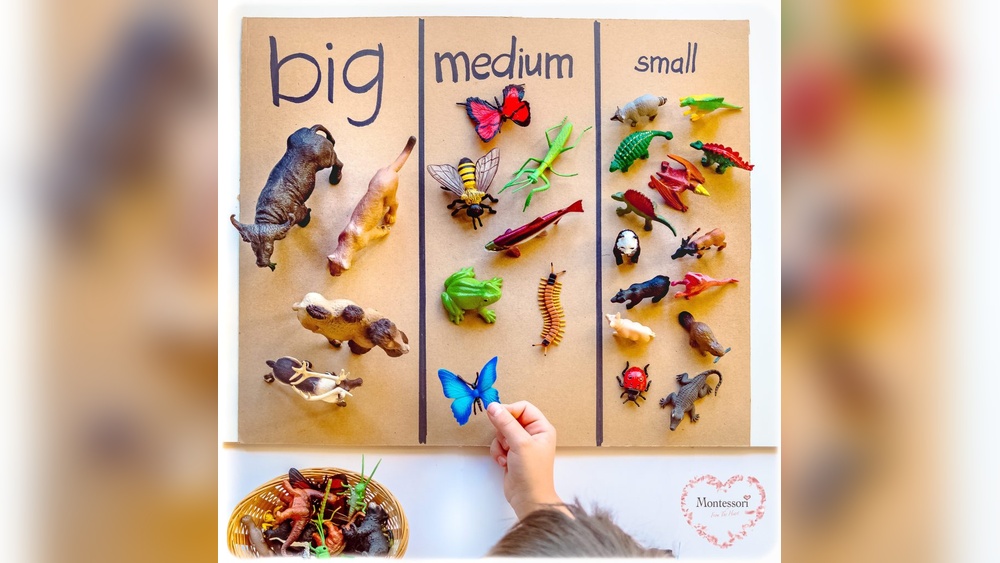
Have you ever watched your child line up their toys from smallest to biggest and wondered why they do it? It might seem like simple play, but there’s more happening behind those careful little hands.
Understanding why kids sort toys by size can give you a surprising glimpse into how their minds work and grow. If you want to unlock the secret behind this common behavior and see how it helps your child learn and develop, keep reading.
This insight could change the way you see playtime forever.
Kids And Size Sorting
Children often show interest in sorting toys by size. This activity helps them understand the world around them. Sorting by size is a natural way for kids to explore differences and similarities. It also builds important skills like observation and categorization.
Sorting toys by size lets children practice thinking and organizing. It encourages focus and patience. Kids feel proud when they arrange objects in order. This simple task supports early learning in a fun way.
Early Signs Of Sorting Behavior
Young children may start sorting toys around age two or three. They often group objects that look alike. Some kids line up blocks from smallest to biggest. Others put cars or animals into size groups. These actions show early awareness of size differences.
Sorting usually begins with objects that catch a child’s eye. Bright colors or familiar shapes attract their attention. Kids repeat sorting to make sense of what they see. This repetition helps them learn and remember size order.
Common Sorting Patterns
Many children sort toys by small, medium, and large groups. Some like to arrange items in a straight line. Others create piles or stacks based on size. Kids may sort by height, length, or width. Each pattern helps develop spatial skills and logic.
Sorting also relates to play and storytelling. Kids might use size order to build towers or set scenes. This adds creativity to their learning process. Size sorting remains a favorite activity that grows with the child’s age.

Credit: www.amazon.com
Cognitive Growth And Sorting
Sorting toys by size is more than a simple play activity for kids. It helps their brain grow and develop key skills. This process supports how children understand the world around them. Sorting boosts their ability to think clearly and solve problems. It also lays the groundwork for learning in school and everyday life.
Developing Categorization Skills
Categorization means grouping things that are alike. Kids start sorting toys by size to practice this skill. They learn to notice differences and similarities. This helps them organize objects in their mind. Sorting builds the ability to classify things fast and correctly. It prepares children for more complex tasks later, like reading and math.
Role Of Size In Cognitive Development
Size is an easy and clear way for kids to sort objects. It helps them compare and judge. Through size, children begin to understand concepts like bigger, smaller, and equal. This understanding improves their visual and spatial thinking. Sorting by size also supports memory and attention. Kids focus more as they sort, which sharpens their brain skills.
Exploring Curiosity
Kids have a natural curiosity about the world. Sorting toys by size is one way they explore their surroundings. This simple act helps them understand how things differ and relate. It sparks wonder and keeps their minds busy.
Natural Drive To Explore
Children are born to explore. They want to know how objects change and fit together. Sorting toys by size satisfies this need. It lets kids see patterns and differences clearly. This process helps them make sense of new information.
How Sorting Fuels Learning
Sorting toys helps children build important skills. It improves their attention and memory. Kids learn to group objects, which is a basic math skill. They also practice decision-making and problem-solving. These skills prepare them for future learning.
Emotional Benefits
Sorting toys by size offers more than just a fun activity for kids. It supports their emotional growth in many ways. Through sorting, children experience feelings that help build their inner world and self-awareness. These emotional benefits play a key role in their development and daily happiness.
Sense Of Control And Order
Sorting toys helps children feel in charge of their space. They create order from what looks like a mess. This control comforts them and reduces stress. It gives a clear structure they can understand and manage. Kids feel safe when they organize their toys by size. This sense of order helps calm their minds and emotions.
Boosting Confidence Through Sorting
Every time a child sorts toys correctly, they feel proud. This success builds their self-confidence bit by bit. The task shows them they can solve problems and make decisions. Kids enjoy seeing their progress and feel more capable. Confidence grows with each small achievement in sorting toys.
Influence Of Environment
The environment around children shapes how they play and learn. Sorting toys by size is a skill influenced by many factors in their surroundings. Kids observe and imitate what they see daily. Their play areas, the people around them, and the toys they use all play a role.
Understanding these influences helps explain why kids sort toys by size. It also shows how adults can support this natural learning process.
Parental Interaction And Guidance
Parents play a big role in how children learn to sort toys. Talking to kids during play helps them notice differences in size. Simple questions like “Which one is bigger?” guide their thinking. Praise and encouragement boost their confidence.
Parents who join playtime often show how to group toys. This hands-on support makes learning fun and clear. Children copy parents’ actions and words. This interaction builds early math skills and language.
Impact Of Toy Design And Variety
Toys come in many shapes and sizes. This variety invites kids to explore and compare. Bright colors and clear size differences attract their attention. Toys that stack or fit inside each other encourage sorting.
Simple designs help children see size contrasts easily. Sets of blocks or nesting dolls are good examples. Toys with clear size steps challenge kids to arrange them correctly. This practice improves their sorting and problem-solving skills.

Credit: www.amazon.com
Supporting Sorting Activities
Supporting sorting activities helps children develop important skills. Sorting toys by size improves their thinking and problem-solving. It also builds focus and patience. These activities turn playtime into learning moments. Adults can guide children gently to make sorting fun and meaningful.
Simple sorting tasks encourage kids to explore and notice details. This exploration boosts their curiosity and creativity. Kids learn to compare objects and understand differences clearly.
Encouraging Exploration Through Play
Sorting toys by size invites children to explore objects actively. They touch, move, and arrange items. This hands-on interaction grows their understanding of size and space. Play becomes a natural way to learn about the world. Children feel free to experiment and discover new patterns. Exploration also strengthens fine motor skills and hand-eye coordination.
Creating Learning Opportunities
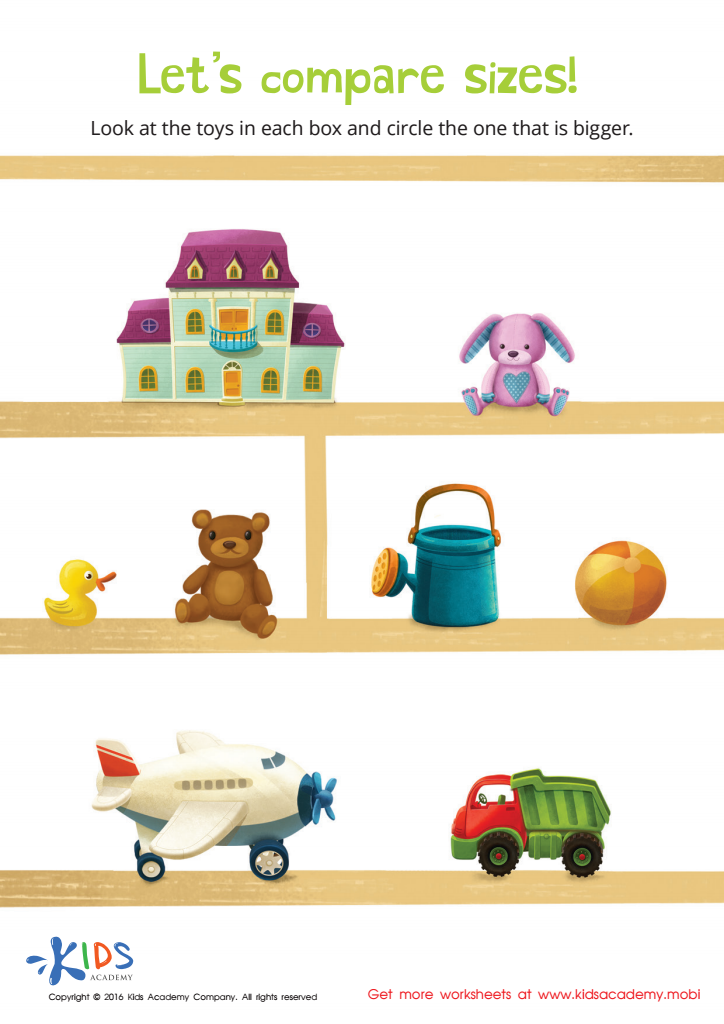
Sorting activities open doors to many learning chances. Children practice counting and categorizing while sorting. These tasks improve language skills as kids describe sizes and shapes. Adults can ask simple questions to deepen thinking. Sorting also teaches order and sequence, important for math readiness. Each session builds confidence and encourages independent thinking.
Credit: www.kidsacademy.mobi
Frequently Asked Questions
Why Do Kids Prefer Sorting Toys By Size?
Kids sort toys by size to develop cognitive skills. It helps them understand differences, improve organization, and build problem-solving abilities. Sorting also supports early math learning by teaching concepts like big, small, and order.
How Does Sorting Toys Benefit Child Development?
Sorting toys enhances critical thinking, fine motor skills, and visual discrimination. It encourages focus, patience, and categorization, which are essential for academic success and everyday decision-making.
At What Age Do Children Start Sorting Toys?
Children typically begin sorting toys between 18 months and 3 years old. This activity aligns with their growing cognitive and motor skills during early toddlerhood.
Can Sorting Toys Improve Early Math Skills?
Yes, sorting toys introduces children to size, sequence, and grouping. These are foundational math concepts that prepare kids for counting, comparing, and pattern recognition.
Conclusion
Sorting toys by size helps kids learn important skills. They practice thinking and organizing in fun ways. This activity also improves their hand-eye coordination. Kids enjoy finding order in their play. Parents can support this by offering different-sized toys. Watching kids sort can reveal how they think and grow.
This simple task builds strong foundations for future learning. It’s a natural part of child development and curiosity. Helping kids sort toys encourages focus and problem-solving too. A small step with big benefits.
