

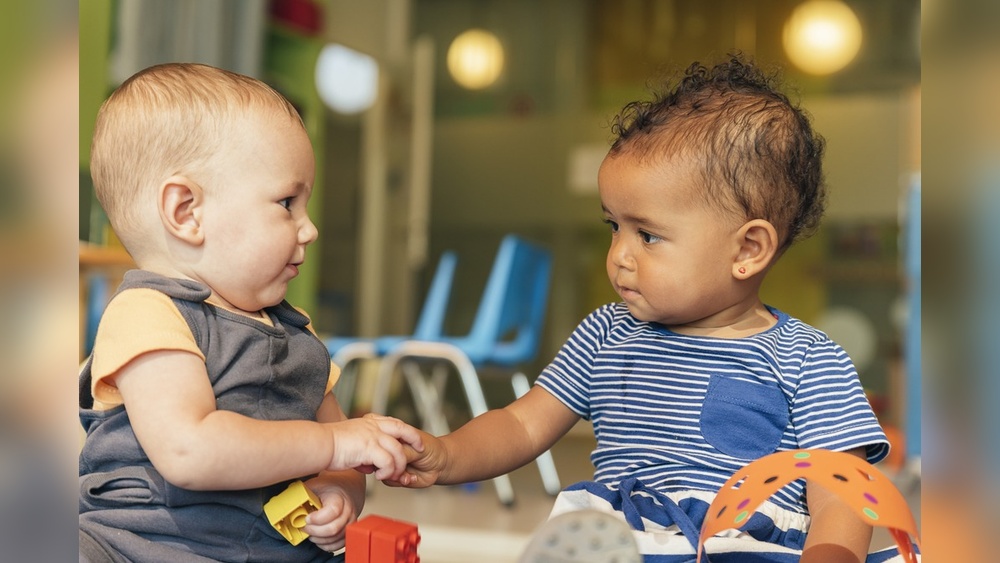
Are you looking for ways to help your child build better social skills? Choosing the right toys can make a big difference in how your kids interact with others.
The right playthings don’t just entertain—they encourage sharing, teamwork, and communication. You’ll discover which toys are proven to boost social interaction and how they can help your child make friends and feel more confident. Keep reading to find out how simple choices can create lasting positive effects on your child’s social life.

Credit: www.amazon.com
Toys That Encourage Teamwork
Toys that encourage teamwork help children learn to work together. They build social skills like sharing, listening, and solving problems. These toys create fun moments where kids support each other.
Playing with others teaches patience and respect. Teamwork toys bring children closer and improve communication. Let’s explore some great options that promote group play.
Board Games For Group Play
Board games invite kids to play as a team or compete in groups. They teach turn-taking and fair play. Games like “Candy Land” or “Sorry!” are simple and fun.
These games help children practice patience and cooperation. Kids learn to follow rules and celebrate together. Playing board games also improves thinking and decision-making skills.
Building Sets For Collaboration
Building sets like LEGO or Mega Bloks encourage kids to work as a team. They plan and build together, sharing ideas and tasks. Kids learn to listen and help each other.
These sets develop creativity and problem-solving skills. Children enjoy making projects that need teamwork. Building sets also boost communication and planning abilities.
Outdoor Sports Equipment
Sports equipment like balls, jump ropes, or frisbees invite group play outside. Kids play games that require passing, catching, and teamwork. Sports teach respect for teammates and opponents.
Playing sports builds physical skills and social bonds. Children develop trust and cooperation through shared goals. Outdoor games provide fun ways to practice teamwork skills.
Role-playing Toys To Spark Imagination
Role-playing toys help children build social skills and creativity. These toys encourage kids to act out different characters and stories. Role-playing fosters cooperation and communication. It also teaches empathy and problem-solving. Kids learn to share ideas and listen to others. These toys create a fun space for social interaction.
Dress-up Kits
Dress-up kits let kids become anyone they want. Costumes and accessories spark imaginative play. Children often take on roles like doctors, firefighters, or chefs. Dressing up helps kids explore feelings and social roles. Playing together in costumes builds teamwork and conversation. It also boosts confidence as children express themselves.
Pretend Playsets
Pretend playsets offer settings for creative stories. Kitchens, stores, and tool benches invite kids to play roles. These sets help children share tasks and ideas. Role-playing with friends encourages cooperation and turn-taking. Kids practice real-life skills through fun activities. Pretend playsets support social growth and imagination.
Puppet Theaters
Puppet theaters inspire storytelling and dialogue. Kids create characters and voices for their puppets. Puppetry teaches listening and speaking skills. Playing with puppets helps children express emotions safely. Group puppet shows promote teamwork and planning. Puppet theaters turn social play into lively, creative fun.
Interactive Tech Toys
Interactive tech toys help kids play and learn together. These toys encourage children to talk, share, and solve problems as a team. They combine fun with skill-building. Kids enjoy technology while improving social skills.
These toys work well for group play. They invite kids to interact and cooperate. Technology adds excitement to social play.
Educational Tablets With Social Features
Tablets designed for learning often include social tools. Kids can chat, share drawings, or play educational games together. These features help children practice talking and listening. They build friendships by working on tasks as a team.
Robots For Group Activities
Robots that respond to commands bring kids together. Children take turns programming the robot or guiding it through challenges. This teamwork builds communication and patience. Robots make group play active and fun.
Games That Promote Communication
Many tech games focus on talking and listening skills. Players must explain clues or answer questions as a group. These games teach children how to share ideas clearly. They also practice taking turns and respecting others’ opinions.
Creative Toys That Bring Kids Together
Creative toys help children play and learn together. They build social skills while having fun. These toys encourage sharing, talking, and teamwork. Kids feel happy and connected when they create as a group.
Choosing the right toys can make a big difference in how children interact. Toys that invite creativity bring kids closer. They spark imagination and friendly cooperation.
Art And Craft Kits
Art and craft kits let children work side by side. Kids share ideas and tools easily. They paint, draw, or make crafts together. This teamwork boosts communication and patience. Creating something as a group makes kids proud and confident.
Music Instruments For Groups
Group music toys invite children to play tunes together. Drums, xylophones, and small keyboards are great choices. Kids listen to each other and keep rhythm. Playing music as a team improves listening and cooperation. It also builds a sense of joy and belonging.
Building And Designing Toys
Building blocks and design kits encourage kids to build as a team. They share pieces and plan designs together. This play helps develop problem-solving and sharing skills. Kids learn to respect others’ ideas. The finished project feels like a group success.
Choosing Toys For Different Age Groups
Choosing toys for different age groups helps children develop social skills step by step. Toys should match their interests and abilities. The right toys encourage sharing, teamwork, and communication. Each age group has unique needs and ways to play.
Toddlers And Preschoolers
Toddlers enjoy toys that promote simple cooperation. Building blocks, puzzles, and pretend play sets work well. These toys invite children to play side by side. They learn to take turns and use words during play.
Group activities with dolls or animal figures boost empathy. Simple board games with clear rules also support social growth. Toys that involve movement help kids play together actively.
Early Elementary Kids
Children in early elementary years prefer toys that challenge their thinking. Board games with strategy teach patience and teamwork. Craft kits and building sets encourage collaboration and sharing.
Role-playing toys spark imagination and group play. These toys help kids practice communication skills. Sports equipment also promotes fair play and group interaction.
Tweens And Preteens
Tweens enjoy more complex games that require planning. Team sports gear helps develop cooperation and leadership. Board games with multiple players build social connections.
Creative kits like model building or art sets encourage joint projects. Electronic games with social features must be used carefully. Encourage balance between screen time and face-to-face play.
Credit: moveupaba.com
Tips To Maximize Social Play
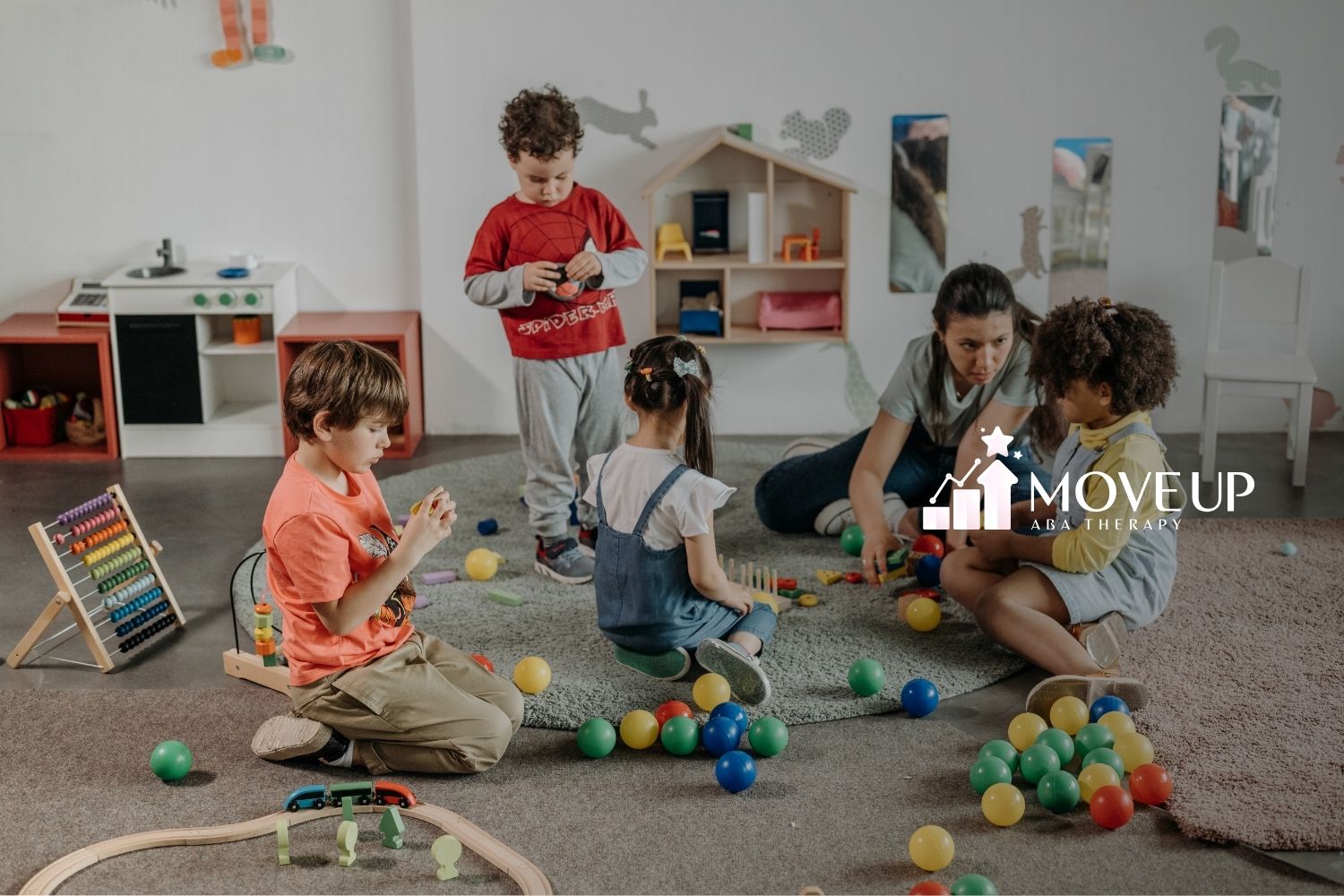
Maximizing social play helps children build strong friendships and learn important skills. Toys alone do not create social interaction. Adults can guide kids to share, take turns, and include others. Simple steps make playtime better for everyone. Here are tips to help kids enjoy social play more.
Encouraging Sharing And Turn-taking
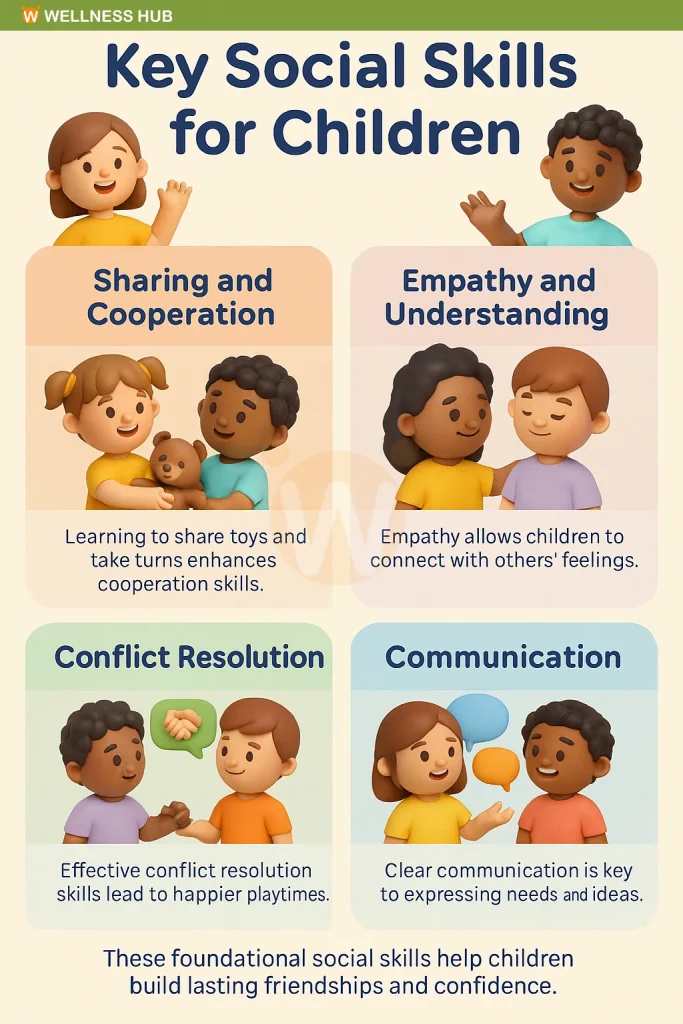
Teach children to share toys during play. Use clear rules like “one person plays first, then the other.” Praise kids when they wait their turn. This practice helps children learn patience and respect. Sharing toys also reduces arguments and helps kids focus on fun together.
Setting Up Playdates
Invite children to play in small groups. Playdates create chances for kids to practice social skills. Choose toys that everyone can use together. Keep playdates short and simple at first. Watch how kids interact and gently guide them if needed. Regular playdates build confidence and friendships over time.
Creating Inclusive Play Environments
Make sure all children feel welcome during play. Include toys that suit different interests and abilities. Arrange play spaces where kids can join easily. Encourage children to invite others who might feel left out. Inclusive play helps children learn kindness and cooperation.
Credit: www.mywellnesshub.in
Frequently Asked Questions
What Types Of Toys Improve Kids’ Social Skills?
Toys that encourage sharing, teamwork, and communication improve social skills. Board games, role-play sets, and building blocks promote interaction and cooperation among children.
How Do Cooperative Games Help Children’s Social Interaction?
Cooperative games require kids to work together towards a common goal. This fosters collaboration, empathy, and effective communication, enhancing social bonds and teamwork abilities.
Can Outdoor Toys Boost Social Engagement In Kids?
Yes, outdoor toys like sports equipment and group playsets encourage physical activity and group play. They create opportunities for children to socialize and develop friendships naturally.
Why Are Role-playing Toys Important For Social Development?
Role-playing toys help kids practice real-life social scenarios. They improve language skills, emotional understanding, and encourage imaginative interaction with peers.
Conclusion
Toys play a big role in helping kids talk and play together. They teach sharing, taking turns, and listening. Playing with others builds friendships and confidence. Choose toys that encourage teamwork and creativity. Simple toys can start great conversations and fun games.
Watching kids interact shows how much they learn. Giving children the right toys helps them grow socially. It’s a small step with big benefits for their future. Keep playtime fun and full of chances to connect. Social skills develop best when kids enjoy their play.
