

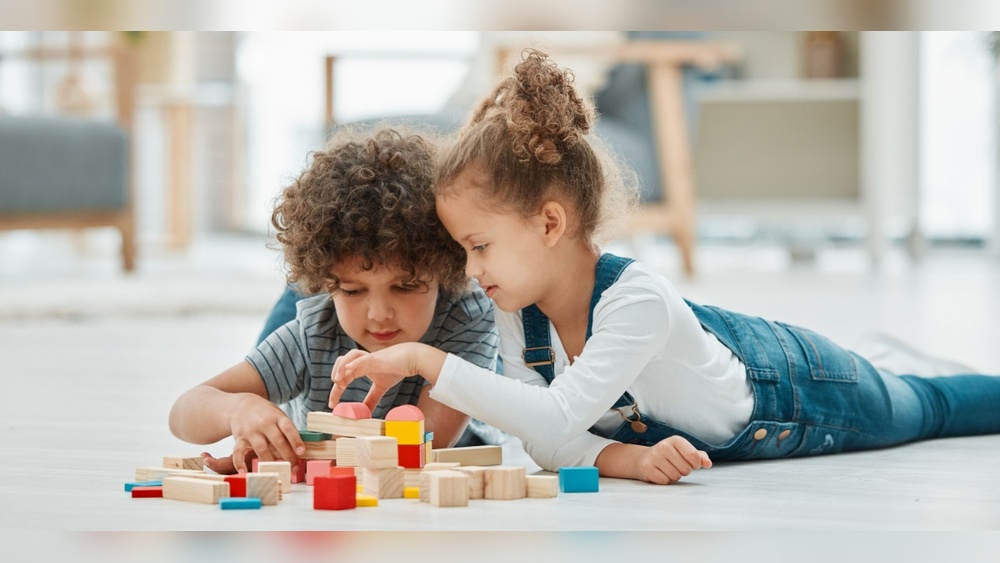
Have you ever wondered how something as simple as toys can teach your child to work well with others? When kids play together, toys become more than just fun—they turn into powerful tools that help them learn cooperation.
Imagine your child sharing, taking turns, and solving problems side by side with friends, all while having a great time. You’ll discover how the right toys can boost your child’s social skills and make teamwork a natural part of their play.
Keep reading to unlock the secrets behind playtime that builds lifelong cooperation skills.

Credit: www.amazon.com
Role Of Toys In Social Skills
Toys play a big role in helping kids learn social skills. Through play, children discover how to interact with others. Toys create opportunities for kids to practice talking, sharing, and understanding feelings.
Playing with toys alongside others teaches important lessons about cooperation. These skills help children build strong friendships and work well in groups.
Fostering Communication
Toys encourage kids to talk and express ideas. Role-playing toys like dolls or action figures help children create stories. This sharing of stories improves their speaking and listening skills. Talking during play helps kids learn to take turns in conversations. Communication grows naturally while having fun with toys.
Encouraging Sharing
Toys teach kids about sharing and taking turns. Playing with friends requires passing toys back and forth. This helps children learn patience and fairness. Sharing toys also reduces conflicts and builds trust. Through sharing, kids see the joy of giving and receiving.
Building Empathy
Certain toys help children understand others’ feelings. Pretend play allows kids to imagine how others think and feel. This practice grows empathy and kindness. Understanding friends’ emotions helps children respond with care. Toys create safe spaces to practice these important social lessons.

Credit: extension.psu.edu
Types Of Toys That Promote Teamwork
Toys play a big role in helping children learn how to work together. Certain toys encourage kids to share, listen, and solve problems as a team. These toys create moments where cooperation becomes fun and natural.
Below are types of toys that promote teamwork and help kids build social skills while playing.
Collaborative Board Games
Collaborative board games require players to work as one group. Kids must plan, discuss, and make choices together. These games teach patience and respect for others’ ideas. They also show how to handle wins and losses fairly. Playing these games builds trust and strong communication skills.
Building Sets And Construction Toys
Building sets invite children to create together. Kids share pieces and ideas to build something new. These toys encourage teamwork by needing cooperation to finish a project. They help kids learn to divide tasks and support each other’s efforts. Teamwork improves as children solve design challenges side by side.
Role-playing And Pretend Play
Role-playing toys spark imagination and social interaction. Kids take on roles and act out stories in groups. This play teaches empathy by seeing things from another’s view. Children practice negotiation and sharing during pretend scenarios. These toys help kids understand cooperation in daily life.
How Cooperative Play Develops Team Skills
Cooperative play helps kids build important team skills. It teaches children how to work well with others. Playing together with toys makes learning teamwork fun and natural. Through these activities, kids practice sharing ideas and solving problems as a group.
Team skills learned during play lay a strong foundation for future social success. Children gain confidence in their ability to listen, speak, and support friends. These experiences prepare them for group work in school and later life.
Problem-solving Together
Kids face challenges while playing cooperatively. They must think of solutions that work for everyone. Toys like building blocks or puzzles encourage children to plan and fix issues together. This process teaches them to listen and consider others’ ideas.
Negotiation And Compromise
Cooperative play requires kids to negotiate rules and roles. Children learn to express their wishes clearly and listen to friends’ opinions. They practice giving and taking through compromise. These skills help avoid conflicts and keep the play fun for all.
Celebrating Group Success
Completing a task or game as a team brings joy to kids. They learn to appreciate the efforts of everyone involved. Sharing success builds a sense of belonging and pride. It motivates children to continue working well with others.
Tips To Enhance Learning Through Toys
Toys offer a great way for kids to learn cooperation. Parents and teachers can help by guiding playtime. Simple tips make learning teamwork fun and clear. These tips focus on clear goals, sharing turns, and adult support.
Using these ideas can improve social skills and create a positive play experience. Children will enjoy playing while learning to work with others.
Setting Clear Group Goals
Start by explaining what the group should do. Clear goals help children focus on working together. Use simple tasks like building a tower or solving a puzzle. Group goals give kids a common purpose. This encourages teamwork and sharing ideas.
Encouraging Turn-taking
Teach children to take turns with toys. Taking turns shows respect and fairness. Use timers or simple rules to manage turns. Praise children when they wait patiently. Turn-taking helps kids practice patience and cooperation.
Guided Play And Adult Involvement
Adults can join play to support cooperation. Guide children by asking questions and suggesting ideas. Help solve conflicts calmly and fairly. Adults model good behavior and teamwork. This support builds children’s confidence and social skills.
Long-term Benefits Of Teamwork Skills
Teamwork skills learned through play have lasting effects. Kids who play with others learn to share, listen, and solve problems together. These abilities help them in many areas of life.
Playing with toys that require cooperation teaches patience and respect. These lessons grow stronger as children use teamwork in different situations. Over time, these skills lead to better success in school and social life.
Improved School Performance
Children who work well in teams do better in school projects. They understand how to divide tasks and support each other. This helps them complete work faster and with better quality.
Teachers notice students who cooperate are more engaged. They participate more in class and handle group work smoothly. These students also develop problem-solving skills that boost learning.
Better Peer Relationships
Teamwork helps kids build strong friendships. Sharing toys and ideas creates trust and respect. Kids learn to handle conflicts in a calm way.
Good cooperation skills make children more popular among peers. They are seen as kind and helpful. These positive traits make social life easier and happier.
Confidence In Group Settings
Playing in teams helps children feel confident around others. They learn their voice matters in a group. This confidence grows as they take on new challenges.
Children who cooperate well are less shy and more willing to share ideas. They enjoy group activities and feel safe expressing themselves. This leads to stronger communication skills and self-esteem.
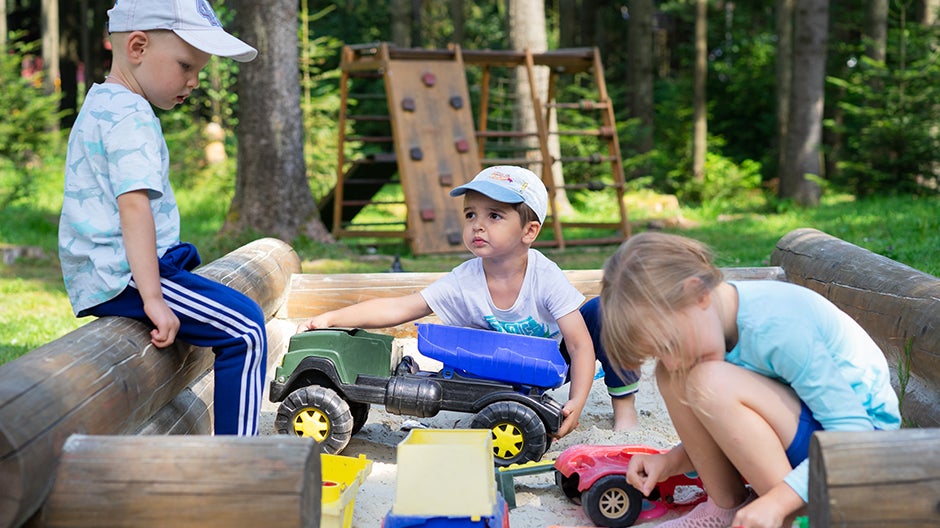
Credit: www.beginlearning.com
Frequently Asked Questions
How Do Toys Encourage Cooperation Among Kids?
Toys create shared goals that require teamwork, communication, and patience. Playing together helps children practice taking turns and resolving conflicts. These skills promote cooperative behavior naturally during fun activities.
Which Toys Best Teach Kids About Sharing?
Board games, building blocks, and role-playing toys encourage sharing. These toys require kids to wait their turn and share resources. This fosters social skills and teaches the value of cooperation.
Can Cooperative Play Improve Social Skills?
Yes, cooperative play enhances communication, empathy, and problem-solving skills. Kids learn to listen, negotiate, and support peers through group play. These skills build stronger friendships and social confidence.
At What Age Do Toys Help With Cooperation?
Cooperation skills start developing around ages 2 to 3. Simple interactive toys and games encourage early sharing and turn-taking. As kids grow, more complex cooperative play promotes teamwork skills.
Conclusion
Toys play a big role in helping kids learn to work together. They teach sharing, taking turns, and listening. Playing with others builds trust and friendship. Kids practice solving problems side by side. These skills help them in school and life.
Parents and teachers should encourage group play often. Simple toys can bring many learning chances. Cooperation starts early and grows with practice. Watching kids play shows how much they learn. Sharing toys means sharing joy and teamwork.
