

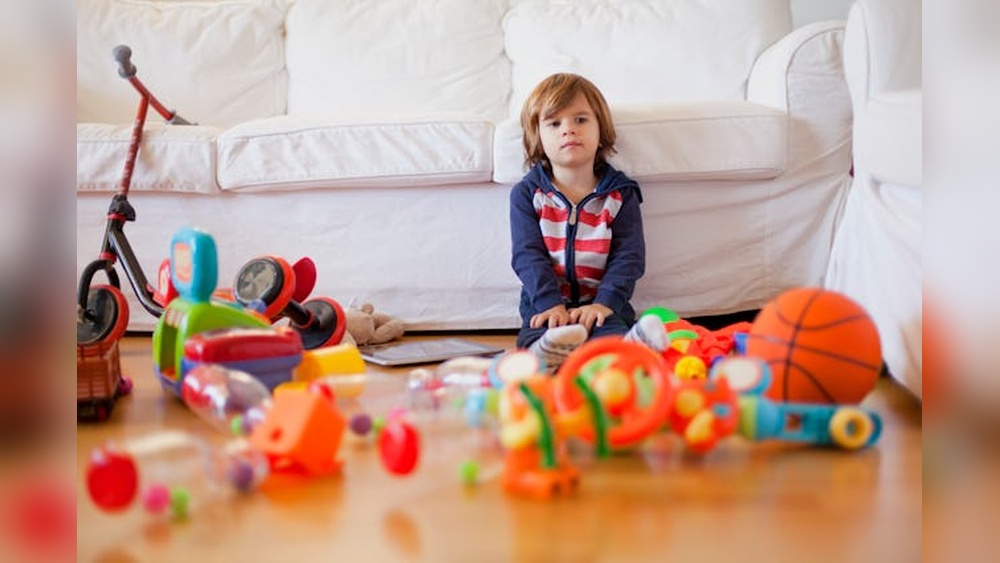
Have you ever noticed how quickly your child loses interest in their toys? One day, a new toy is the most exciting thing in the world, and the next, it’s forgotten in the corner.
It can be frustrating when you see your child’s attention shift so fast. But there’s a reason behind this behavior, and understanding it can help you choose toys that truly engage and last longer in your child’s playtime. Keep reading to discover why kids lose interest in toys so quickly and what you can do to keep their curiosity alive.
Short Attention Spans
Kids often lose interest in toys quickly due to their short attention spans. Young children find it hard to focus on one thing for a long time. Their minds are always curious and eager to explore new things. This natural trait makes toys seem boring after a little while. Understanding why this happens helps parents choose toys wisely.
Impact Of Digital Media
Digital media plays a big role in shortening kids’ attention spans. Bright screens and fast-moving images grab their attention fast. These quick changes make real toys seem slow or dull. Kids get used to instant fun from tablets or phones. This makes it harder for them to stay interested in toys that need patience or imagination.
Natural Developmental Stages
Short attention spans are normal at certain ages. Toddlers and preschoolers often focus on simple or new things only. Their brains are still growing and learning how to control attention. As kids grow, their ability to focus will improve. It is natural for them to switch toys often as they explore the world.
Lack Of Challenge
Kids often lose interest in toys quickly because the toys do not challenge them enough. Children enjoy activities that make them think and solve problems. When toys are too simple, they become boring fast. Kids need toys that keep their minds active and bodies busy. Without challenge, toys fail to hold their attention.
Toys That Grow With Kids
Toys that change as children grow keep them interested longer. These toys offer new challenges for different ages. For example, building blocks can be simple for toddlers but complex for older kids. Toys like puzzles or STEM kits also increase in difficulty. This way, children stay engaged and enjoy playing.
Importance Of Skill Development
Skills like problem-solving and creativity make playtime valuable. Toys that help develop skills are more interesting. They push kids to try new things and learn. Skill-building toys also improve focus and patience. Kids feel proud when they master a new challenge. This pride keeps them coming back for more play.
Too Many Choices
Children often lose interest in toys quickly because they face too many choices. Too many options can confuse and overwhelm them. This makes it hard to focus on one toy. Instead of enjoying a single toy deeply, kids jump from one to another. The variety of toys around can distract their attention and reduce their playtime satisfaction.
Overwhelming Options
Stores and homes filled with many toys create a tough choice for kids. Each toy looks exciting and new. Kids may feel unsure which toy to pick first. This can lead to frustration or boredom. Too many options can stop children from enjoying any toy fully.
Decision Fatigue In Children
Choosing between many toys tires children’s minds quickly. Their brain works hard to decide what is best. This mental tiredness is called decision fatigue. It causes kids to lose interest fast. They may give up picking and start playing with nothing or move to a different activity.

Credit: www.siliconemania.com
Peer Influence
Kids often change their toy preferences because of their friends. Peer influence plays a big role in what children like or dislike. Children want to fit in and be part of their group. This desire can make them lose interest in old toys and seek new ones their friends enjoy.
Trends And Popularity
Children notice which toys are popular among their friends. A toy that was fun yesterday may not be cool today. Trends spread fast in schools and playgrounds. Kids want the latest toys to feel included. This fast change leads them to quickly lose interest in toys that are no longer trendy.
Social Acceptance
Being accepted by peers is very important for kids. They may stop playing with certain toys if friends do not like them. Toys can be a way to show status or belong to a group. Children choose toys that help them make friends and avoid feeling left out. This need for social acceptance can cause quick changes in their toy interests.
Parental Role
Parents play a big role in how children enjoy toys. Their actions and choices can shape kids’ interest in toys. Parents guide children on how to use toys in fun and creative ways. They help kids explore toys beyond just playing. This support keeps toys exciting for longer.
Encouraging Imaginative Play
Parents can boost a child’s interest by encouraging imagination. Toys become more fun when kids use them to create stories and adventures. Parents can join in or suggest ideas to spark creativity. This makes toys feel fresh and new. Imaginative play helps children see toys as tools for fun, not just objects.
Setting Limits On New Toys
Giving children too many toys at once can reduce their interest. Parents should limit new toys to prevent boredom. Waiting before introducing new toys helps kids appreciate what they have. It also teaches patience and value. Fewer toys mean kids spend more time with each toy. This simple rule keeps toys special and exciting.

Credit: en.wikipedia.org
Emotional Connections
Emotional connections play a big role in how kids feel about their toys. Toys are not just objects; they become part of a child’s world. These feelings affect how long a child stays interested in a toy. Strong feelings can make a toy special. Weak feelings can make a toy boring quickly.
Attachment To Favorite Toys
Children often form strong attachments to one or two favorite toys. These toys offer comfort and familiarity. Kids might take them everywhere and play with them daily. Such toys can feel like friends or helpers. This attachment helps kids feel safe and happy. It also keeps their interest alive for a long time.
Effects Of Frequent New Toys
Introducing many new toys can reduce a child’s emotional bond. New toys get attention for a short time. Kids may quickly forget old toys. This constant change can stop deep feelings from growing. Without strong bonds, toys lose their charm fast. Kids then lose interest and move on to the next toy.
Toy Design Flaws
Toy design plays a big role in how long kids stay interested. Many toys lose their charm quickly because they have design flaws. These flaws make toys less fun or hard to use. Kids want toys that keep their attention and are easy to play with.
Lack Of Engagement Features
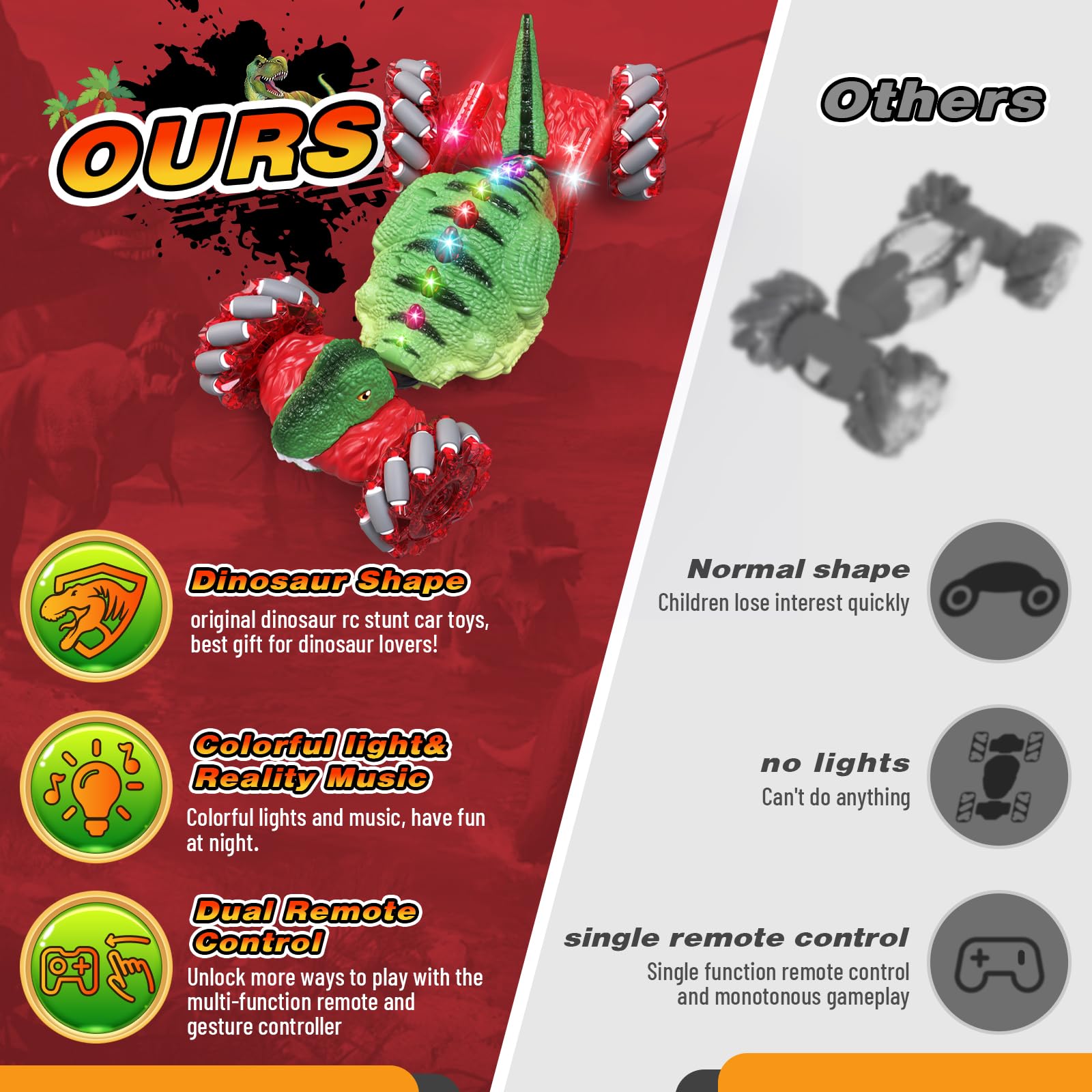
Toys without fun features fail to hold kids’ attention. Simple toys with no lights, sounds, or movement get boring fast. Kids like toys that surprise them or change as they play. If a toy does not interact or challenge them, they stop playing.
Engagement features make playtime exciting and new. Without these, toys feel dull and forgettable. Kids need toys that grow with their skills and imagination.
Durability And Usability Issues
Toys that break easily or are hard to use frustrate kids. Fragile toys lose parts or stop working quickly. Kids want toys that can handle rough play and last long. Poor usability, like difficult buttons or confusing parts, also turns them away.
Good design means toys are simple to operate and tough enough for daily use. When toys fail here, kids lose interest fast and move on to something else.
Credit: www.amazon.com
Frequently Asked Questions
Why Do Kids Lose Interest In Toys Quickly?
Kids lose interest because of novelty fading fast. Their curiosity shifts to new, exciting stimuli. Rapid brain development makes them seek fresh challenges and experiences.
How Does Toy Variety Affect Kids’ Interest Span?
Too many toys can overwhelm children, reducing focus. Limited toys encourage creativity and deeper engagement. Variety should be balanced to maintain interest without causing distraction.
Can Boredom Cause Kids To Stop Playing With Toys?
Yes, boredom happens when toys lack challenge or excitement. Kids need toys that grow with their skills. Toys that adapt keep children engaged longer.
Does Screen Time Impact Kids’ Toy Interest?
Excessive screen time can lower kids’ interest in physical toys. Screens offer instant gratification, making toys seem less appealing. Balancing screen and playtime is crucial for sustained toy interest.
Conclusion
Kids often lose interest in toys because they seek new challenges. Their minds grow fast and need fresh experiences. Toys that stay fun must change or offer variety. Parents can help by rotating toys or adding new ones. Understanding this helps choose better toys for kids.
This keeps playtime exciting and supports learning. Remember, kids’ curiosity drives their play habits. Keep toys interesting to match their growing minds. This way, children stay happy and engaged longer.
