


Are your kids losing interest in their toys faster than you can buy new ones? It’s frustrating to see toys gather dust when just a little change could make playtime exciting again.
What if you could keep your children engaged and curious without spending extra money? Rotating toys is a simple, smart trick that can bring back the fun and keep boredom at bay. You’ll discover easy steps to refresh your child’s playtime by rotating their toys, making every moment feel like a brand new adventure.
Ready to transform your home into a boredom-free zone? Let’s dive in!
Benefits Of Toy Rotation
Toy rotation offers many benefits for children and parents alike. It helps keep playtime fresh and exciting. Rotating toys means children get new experiences without needing more toys. This method supports better learning and less mess at home. Here are some key benefits of rotating toys regularly.
Boosts Creativity And Imagination
Rotating toys encourages children to think in new ways. They use their imagination more when toys feel new again. Different toys inspire different types of play. This variety helps children develop creative skills. It also lets them explore new ideas and stories during playtime.
Maintains Interest Over Time
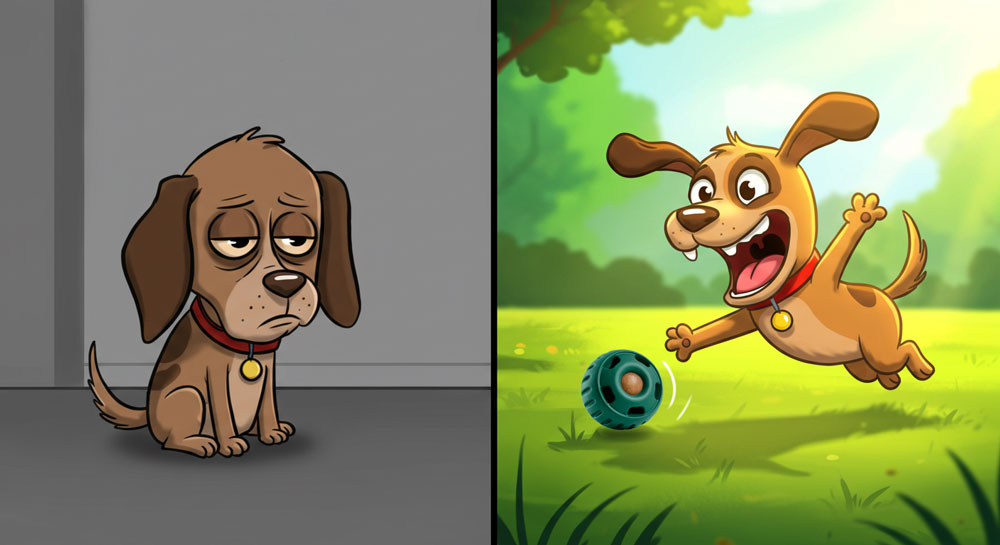
Children quickly lose interest in toys they see every day. Rotating toys keeps their attention longer. Toys feel fresh and exciting after a break. This helps children stay engaged and focused. It also reduces boredom and the need to buy more toys.
Reduces Clutter And Overwhelm
Too many toys can make a play area messy. Rotating toys means fewer toys are out at once. This keeps spaces tidy and easy to manage. Children are less overwhelmed with fewer choices. It also makes cleaning up faster and simpler for parents.

Credit: teis-ei.com
Choosing Toys To Rotate
Choosing the right toys to rotate helps keep children curious and excited. A good selection prevents boredom and supports learning. It also makes playtime more fun and fresh.
Focus on variety and balance. This keeps the rotation interesting and valuable for your child’s growth.
Selecting Age-appropriate Toys
Pick toys that match your child’s age and skills. Toys too hard or too easy can frustrate or bore them. Age-appropriate toys help children explore new abilities. They also ensure safe play without risks.
Balancing Educational And Fun
Include toys that teach and entertain. Learning toys build skills like counting, shapes, and letters. Fun toys spark creativity and imagination. Mixing both types keeps children engaged longer.
Considering Child’s Interests
Choose toys that match your child’s hobbies and likes. If they love animals, add animal figures or books. For kids who enjoy building, include blocks or puzzles. Toys that fit interests encourage deeper play.
Setting Up A Rotation System
Setting up a toy rotation system helps keep playtime fresh and exciting. It stops kids from getting bored with the same toys. A good system also makes it easy for parents to manage toys. The key is to organize toys, set a clear schedule, and track the rotation.
Organizing Toys For Easy Access
Sort toys by type, size, or child’s interest. Use bins, shelves, or baskets for storage. Label each container to find toys fast. Keep only a few toys out at once. Store the rest in a hidden place. This method keeps the play area neat and tidy.
Scheduling Regular Rotation Intervals
Choose how often to rotate toys. Weekly or biweekly works well for most families. Stick to the schedule to build a habit. Changing toys often keeps children curious. It also prevents toys from being forgotten or ignored.
Creating A Toy Rotation Calendar
Make a simple calendar to plan rotations. Mark dates for swapping out toys. Use a paper calendar or a digital app. Remind yourself and family about rotation days. This plan helps keep the system consistent. Kids enjoy the surprise of new toys regularly.
Credit: mywoof.com
Involving Children In Rotation
Involving children in toy rotation helps them feel part of the process. It makes the routine exciting and gives them control over their play. Children learn to manage their toys and enjoy them more. This involvement builds good habits and reduces boredom.
Encouraging Decision Making
Let children choose which toys to keep out and which to store. This choice boosts their confidence and thinking skills. They learn to decide based on what they enjoy the most. It also teaches them to focus on fewer toys at a time.
Teaching Responsibility
Ask children to help put away toys during rotation. This task shows them how to care for their belongings. They learn that toys need attention to stay fun and safe. Taking responsibility builds respect for their things and space.
Making Rotation Fun
Turn rotation into a game or a special event. Use a timer or song to signal rotation time. Celebrate choosing new toys with excitement and praise. Making it fun keeps children interested and eager to rotate toys.
Simple Tips To Keep It Effective
Rotating toys helps keep children interested and reduces boredom. Simple tips make this practice easy and effective. These tips help parents manage toys without stress. They also keep playtime fresh and fun for kids.
Limiting Number Of Toys Available
Keep only a few toys out at a time. Too many toys can overwhelm children. Choose toys that match their current interests. Store the rest in a box or closet. This makes play areas neat and inviting.
Introducing New Toys Gradually
Bring out new toys slowly, not all at once. This way, each toy gets attention and use. Swap toys every week or two. Kids enjoy the surprise of new items. It keeps their curiosity alive and strong.
Observing And Adapting To Preferences
Watch which toys your child likes best. Notice how long they play with each toy. Replace less popular toys with others from storage. Change the mix based on their changing interests. This keeps playtime exciting and tailored to them.

Credit: tailswewin.dog
Frequently Asked Questions
What Is Toy Rotation And Why Use It?
Toy rotation involves cycling toys regularly to keep playtime fresh. It reduces boredom by offering new options without clutter. This method keeps children engaged and encourages creativity, making playtime more stimulating and enjoyable.
How Often Should I Rotate Toys For Kids?
Rotate toys every 1 to 2 weeks to maintain interest. Frequent changes prevent boredom and make toys feel new. Adjust the schedule based on your child’s preferences and reactions for best results.
Which Toys Are Best For Rotation?
Choose toys that encourage imagination, problem-solving, and motor skills. Include puzzles, building blocks, and art supplies. Avoid overwhelming with too many options to keep the rotation effective.
How Can I Organize Toys During Rotation?
Store unused toys in bins or boxes out of sight. Label containers for easy access and rotation planning. This keeps play areas tidy and helps track which toys are currently available.
Conclusion
Rotating toys keeps playtime fresh and fun for kids. It helps prevent boredom and sparks creativity. Kids enjoy exploring different toys regularly. Parents can easily set up a simple rotation system. Toys feel new again after a break. This method also saves money by reducing constant buying.
Try rotating toys to make playtime exciting every day. It creates a happy and engaged environment at home. Simple changes can bring big smiles to children’s faces. Give toy rotation a try and see the difference.
