


Have you ever wondered if kids still need toys today? With screens and gadgets everywhere, it’s easy to think toys might be old-fashioned.
But what if toys do more than just entertain? What if they help your child learn, grow, and connect in ways you didn’t expect? Keep reading to discover why toys could still be one of the best gifts you give your child—and how they shape their world in surprising ways.

Credit: www.reddit.com
Role Of Toys In Child Development
Toys play a big role in how children grow and learn. They help kids develop many skills. Toys make learning fun and keep children interested. Through play, kids discover new ideas and practice important skills. Toys help children understand the world around them.
Every type of toy supports a different part of a child’s growth. Some toys improve thinking skills. Others encourage creativity or help with feelings. Toys give children a chance to explore and try new things.
Enhancing Cognitive Skills
Toys like puzzles and building blocks improve thinking and problem-solving. Kids learn to focus and make decisions. These toys help with memory and understanding shapes and colors. Playing with such toys prepares children for school tasks.
Boosting Creativity And Imagination
Art supplies, dolls, and action figures inspire creative play. Children use their imagination to create stories and new worlds. This type of play builds creativity and helps children express themselves. Toys that encourage pretend play make kids think in new ways.
Supporting Emotional Growth
Toys can help children understand and express feelings. Playing with others teaches sharing and empathy. Soft toys and dolls often provide comfort and a sense of security. Emotional skills learned through play help children build strong relationships.
Toys And Social Interaction
Toys play an important role in how children interact with others. They help kids learn to work together and share. Playing with toys often brings children into groups or pairs.
This time spent playing is valuable. It teaches kids about friendship, patience, and understanding others’ feelings. Toys help make social moments fun and natural.
Encouraging Cooperation And Sharing
Toys often require children to take turns and share space. This encourages cooperation. Kids learn to wait for their turn and respect others’ choices. They understand the value of teamwork.
Sharing toys also builds kindness. Children see the joy in giving and receiving. They grow more patient and less selfish. These lessons help them in school and life.
Building Communication Skills
Playing with toys encourages children to talk and listen. They describe what they are doing and explain rules. This practice boosts their speaking skills.
Children also learn to read body language and tone. These skills help them understand friends better. Toys create a safe space to practice talking and listening.
Physical Benefits Of Playing With Toys
Toys do more than just entertain children. They help kids grow physically. Playing with toys encourages movement and coordination. These activities build strong muscles and improve body control. Physical play also supports healthy development in young children. It helps them learn how to move and use their bodies well.
Improving Motor Skills
Toys help children develop both fine and gross motor skills. Small toys like building blocks improve hand-eye coordination. Kids learn to grasp, hold, and move objects carefully. Larger toys, such as balls and ride-on toys, help with balance and strength. These activities improve a child’s ability to control their movements.
Promoting Active Play
Active play with toys keeps children moving and energetic. Running, jumping, and climbing develop stamina and muscle tone. Toys like balls and jump ropes invite kids to play outside. This physical activity supports heart health and overall fitness. Active play also reduces the risk of childhood obesity.

Credit: physiomommy.com
Digital Vs. Traditional Toys
Digital and traditional toys offer different experiences for children today. Digital toys include tablets, apps, and interactive games. Traditional toys are physical items like blocks, dolls, and puzzles. Both types have unique benefits and challenges. Understanding these can help parents make better choices for their kids.
Balancing Screen Time
Screen time must stay within healthy limits. Too much digital play can affect sleep and attention. Setting clear rules helps control daily screen use. Parents should encourage breaks and mix in offline activities. Balance keeps children active and mentally engaged.
Advantages Of Hands-on Play
Traditional toys support creativity and fine motor skills. Kids learn by touching, building, and exploring. These toys promote imagination and problem-solving. Social skills grow when children share and play together. Hands-on play strengthens brain development and focus.
Choosing The Right Toys
Choosing the right toys is important for a child’s growth and happiness. Toys help children learn new skills and explore their creativity. Picking the correct toys can make playtime both fun and useful.
Parents should think about different factors before buying toys. This makes sure the toys match the child’s needs and interests. Safe and suitable toys help children enjoy play without problems.
Age-appropriate Options
Children need toys that fit their age and abilities. Toys that are too hard or too easy can cause frustration. Younger kids need simple toys with big parts. Older kids enjoy toys that challenge their thinking and skills. Age labels on toys help parents choose wisely.
Educational Value
Toys that teach while playing are very helpful. They improve skills like counting, reading, and problem-solving. Building blocks, puzzles, and art supplies boost creativity and learning. Educational toys keep kids interested and help them grow smarter.
Safety Considerations
Safety is the top priority when picking toys. Check for small parts that can cause choking. Avoid toys with sharp edges or toxic materials. Look for safety certifications on the packaging. Safe toys protect children from injuries and accidents during play.
Long-term Impact Of Toys On Kids
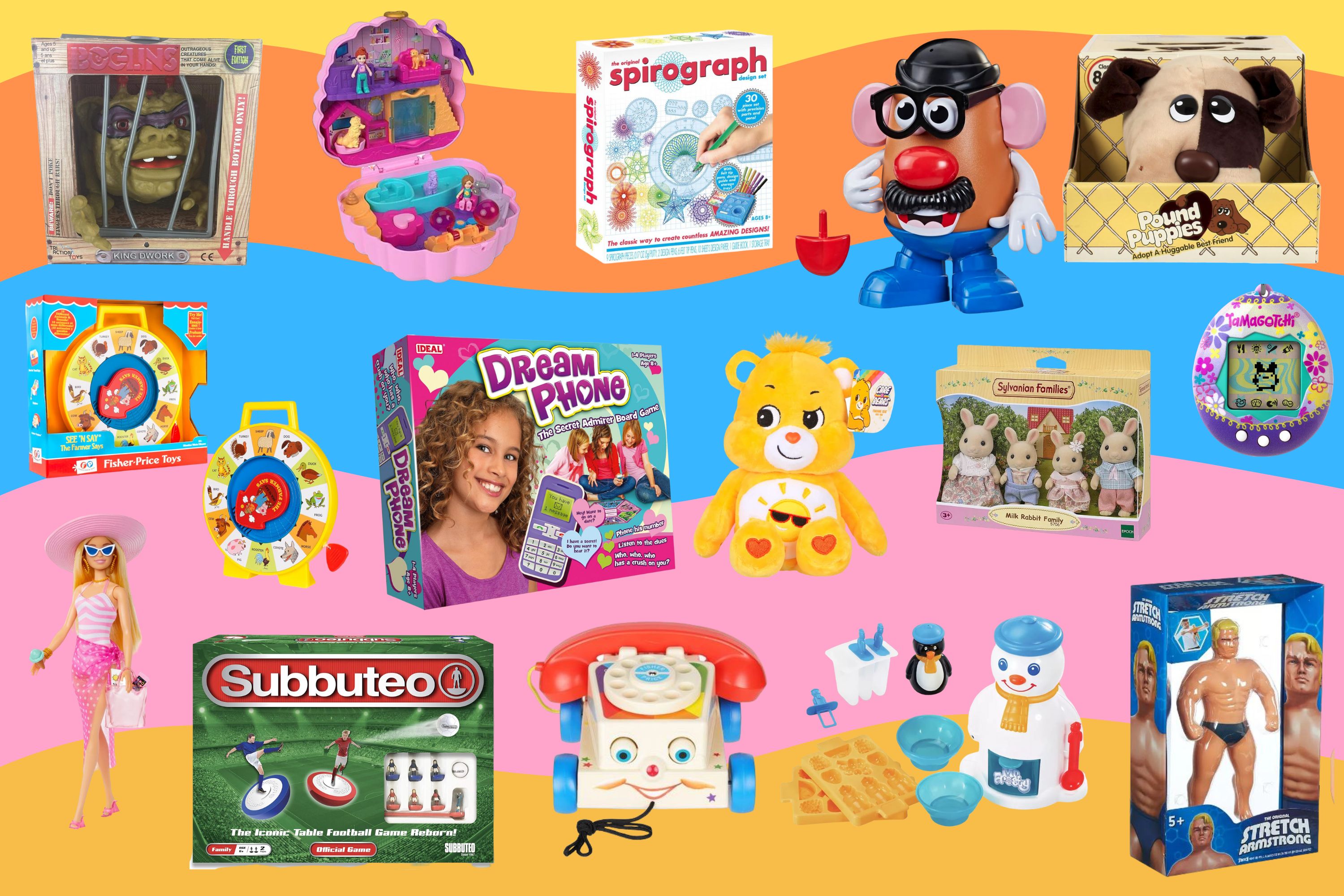
Toys play a big role in a child’s growth beyond just fun. They help shape how kids learn and solve problems. The right toys can influence skills that last a lifetime. Understanding this impact shows why toys still matter today.
Fostering Lifelong Learning
Toys encourage curiosity and exploration. Kids ask questions and try new ideas while playing. This builds a love for learning early on. Learning through play feels natural and exciting. It helps children develop skills that support school and life. Toys can introduce concepts like numbers, letters, and shapes in simple ways. These early experiences make learning easier later.
Building Problem-solving Skills
Toys challenge kids to think and find answers. Puzzles and blocks teach children how to plan and solve problems. They learn patience and persistence by trying different solutions. These skills help in school and daily tasks. Problem-solving toys also boost creativity and confidence. Kids see that mistakes are part of learning, not failure.
Credit: www.goodto.com
Frequently Asked Questions
Do Kids Still Benefit From Traditional Toys Today?
Yes, traditional toys aid creativity, motor skills, and social interaction. They offer hands-on learning and encourage imagination, essential for child development.
How Do Toys Impact A Child’s Mental Growth?
Toys stimulate problem-solving, critical thinking, and emotional skills. They help kids understand the world and express feelings creatively.
Are Digital Toys Better Than Physical Toys For Kids?
Both have benefits; digital toys enhance tech skills, while physical toys boost sensory and motor abilities. Balance between both is ideal.
Can Toys Improve A Child’s Social Skills?
Yes, toys encourage sharing, cooperation, and communication. Playing with others teaches empathy and teamwork, crucial for social development.
Conclusion
Kids still need toys for learning and fun every day. Toys help children grow skills like creativity and problem-solving. They also encourage social play and sharing with friends. Digital screens cannot replace the hands-on joy toys provide. Choosing the right toys supports healthy development and happy childhoods.
Playtime with toys brings smiles and builds memories that last. So, toys remain important in today’s busy world.
