

Have you ever noticed how your child lights up when playing with others? Toys are more than just fun—they are powerful tools that teach your kids how to work together.
When your child shares, takes turns, or builds something as a team, they are learning valuable teamwork skills. These moments shape how they communicate, solve problems, and trust others. Keep reading to discover how the right toys can make teamwork easy and exciting for your child—and how you can support their growth every step of the way.
Credit: slumberkins.com
Role Of Toys In Teamwork
Toys play a key role in teaching kids how to work together. They create chances for children to share, listen, and help each other. Through play, kids learn the value of teamwork in fun and natural ways.
Choosing the right toys can guide children to practice important skills. These skills include cooperation, talking with others, and solving problems as a group. Each of these helps kids grow into better team players.
Encouraging Cooperative Play
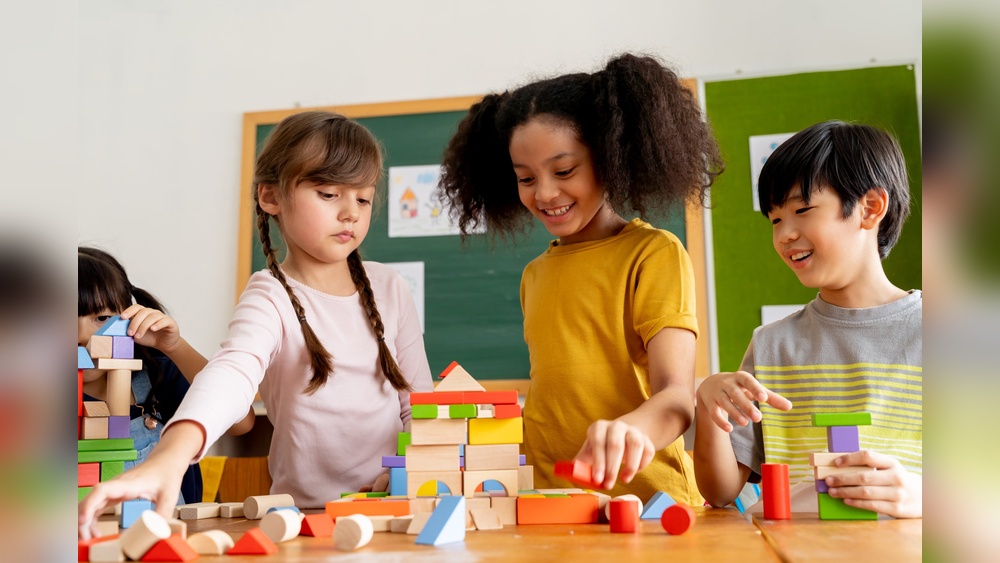
Toys that need more than one player encourage kids to cooperate. Building blocks, board games, and team sports gear require kids to work as a unit. This kind of play teaches sharing tasks and taking turns.
Children learn to trust each other and depend on teamwork. They see how working together helps them reach common goals faster. This shared effort builds a sense of community and friendship.
Building Communication Skills
Playing with others using toys helps kids practice talking and listening. They explain their ideas and understand others’ thoughts. This back-and-forth improves their ability to express themselves clearly.
Kids learn to use words to solve conflicts and make plans. Communication becomes easier as they play more. These skills are key for teamwork in school and life.
Fostering Problem-solving
Toys often create challenges that kids solve together. Puzzle games and construction sets require teamwork to find answers. Children learn to think critically and share solutions.
Working through problems as a group teaches patience and respect. Kids discover different ways to approach tasks. This helps them become confident team players in any setting.
Credit: www.rifton.com
Types Of Toys That Promote Teamwork
Toys play a big role in teaching kids teamwork. Different types of toys encourage children to work together. These toys help kids learn to share ideas, solve problems, and support each other. Teamwork skills are important for school and life. Choosing the right toys can make learning teamwork fun and easy.
Board Games For Collaboration
Board games bring children together around one table. They need to follow rules and take turns. Many board games require players to work as a team. Kids must plan strategies and make group decisions. This helps them practice listening and cooperating. Playing board games also teaches patience and respect for others.
Building Sets And Construction Toys
Building sets like blocks or LEGO encourage teamwork. Kids work in pairs or groups to create structures. They share ideas and divide tasks. These toys help develop communication and planning skills. Building together strengthens trust and problem-solving. Children learn that working as a team leads to better results.
Outdoor Group Toys
Outdoor toys like balls, jump ropes, or parachutes promote group play. Children run, throw, and catch together. These activities need coordination and cooperation. Outdoor toys encourage kids to cheer for each other. Playing outside helps build strong social bonds. Teamwork becomes natural in fun, active games.
Skills Boosted Through Teamwork Toys
Teamwork toys help children grow many important skills. These skills support their success in school and life. Playing with others builds abilities beyond just having fun. Kids learn how to work together and solve problems. They also gain confidence and learn to lead. Teamwork toys create a safe space for these skills to grow.
Each play session brings new chances to practice and improve. Children develop social, emotional, and thinking skills. They also learn how to take responsibility and share tasks. These skills shape how kids interact with others now and later.
Social And Emotional Growth
Playing with teamwork toys helps kids understand feelings. They learn to listen and express themselves clearly. Sharing toys teaches patience and kindness. Children also practice taking turns and cooperating. These social skills build strong friendships and trust. Emotional growth comes from handling wins and losses. Kids learn to stay calm and support others.
Critical Thinking And Creativity
Teamwork toys challenge kids to think and plan together. They find new ways to solve problems as a group. This boosts their critical thinking skills. Creativity grows as children try different ideas. They learn to adapt and be flexible. Children enjoy exploring and inventing while playing. These experiences help them become better thinkers and creators.
Leadership And Responsibility
Teamwork toys give kids chances to lead and follow. They learn how to guide others and share roles. Leadership skills include making decisions and encouraging teammates. Responsibility comes from completing tasks and helping the group. Kids feel proud when they contribute to success. These lessons build confidence and a sense of duty.
How Toys Strengthen Bonds Among Kids
Toys do more than entertain children. They help kids build strong bonds with each other. Playing together with toys creates moments of teamwork and shared fun. These moments help children learn how to connect and cooperate. Through play, kids practice skills that bring them closer.
Sharing toys encourages children to work toward common goals. It teaches them to listen, wait, and help one another. These experiences form the foundation of lasting friendships. Toys act as tools that bring kids together and make learning social skills easier.
Shared Goals And Achievements
Toys give kids clear goals to work on together. Building a puzzle or playing a board game needs teamwork. Kids learn to plan and solve problems as a team. Achieving these goals feels rewarding and creates a sense of unity. This shared success helps children trust and support each other.
Encouraging Empathy And Patience
Playing with toys in groups teaches kids to understand others’ feelings. They learn to wait their turn and share fairly. These moments develop patience and kindness. Kids see how their actions affect friends. This growing empathy helps them build strong, caring relationships.
Creating Lasting Friendships
Toys create happy memories that connect children. Fun playtimes build trust and comfort between kids. These experiences lead to long-term friendships. Toys become symbols of shared joy and cooperation. Friendships formed through play often last beyond childhood.
Tips For Choosing Teamwork Toys
Choosing the right toys can help children learn teamwork naturally. The right toys encourage sharing, communication, and cooperation. Picking toys that suit your child’s needs makes playtime both fun and educational.
Focus on toys that invite group play and require working together. This helps kids build social skills while enjoying themselves. Use these tips to find the best teamwork toys.
Age-appropriate Options
Select toys that match your child’s age and abilities. Younger kids need simple toys with clear rules. Older kids can handle more complex games that require strategy and planning. Age-appropriate toys keep children interested and prevent frustration.
Interest-based Selection
Choose toys based on what your child likes. Sports, puzzles, or building sets can all encourage teamwork. When kids enjoy the activity, they stay engaged longer. This makes learning teamwork easier and more natural.
Safety And Durability Considerations
Pick toys made from safe, sturdy materials. Kids often play hard, so toys must last. Avoid small parts for younger children to prevent choking hazards. Durable toys ensure longer play and better teamwork practice.
Maximizing Learning With Teamwork Toys
Maximizing learning with teamwork toys helps children develop social skills. These toys encourage kids to work together and solve problems. They create a fun space for sharing ideas and listening to others. Using teamwork toys in the right way can boost cooperation and communication.
Adults play a key role in guiding this learning process. Reflection and balance between competition and cooperation also improve the experience. These elements make teamwork toys more effective for kids’ growth.
Guided Play And Adult Involvement
Adults can guide children during play to focus on teamwork goals. They help explain rules clearly and encourage fair play. Adults also model positive behavior like sharing and patience. Their involvement keeps the play organized and meaningful. This support helps kids understand how to work together better.
Encouraging Reflection And Feedback
After playing, children should think about their teamwork experience. Adults can ask questions about what worked well and what was hard. Kids learn to share feelings and ideas about their play. Feedback helps them improve cooperation and communication skills. Reflecting builds awareness about others’ thoughts and needs.
Balancing Competition And Cooperation
Teamwork toys often include both competition and cooperation. It is important to balance these elements for a positive experience. Competition can motivate kids to try their best. Cooperation teaches sharing, helping, and listening. A good mix helps children enjoy play while learning social skills.

Credit: www.youtube.com
Frequently Asked Questions
How Do Toys Promote Teamwork In Children?
Toys encourage kids to share, cooperate, and communicate. They learn to work together to achieve common goals. This builds social skills and empathy through fun, interactive play.
What Types Of Toys Best Teach Teamwork Skills?
Board games, building blocks, and cooperative puzzles are ideal. These toys require collaboration, problem-solving, and turn-taking, fostering teamwork and communication among children.
At What Age Do Toys Effectively Teach Teamwork?
Children as young as 3 years start learning teamwork through play. Preschool and early elementary ages benefit most from group toys that promote sharing and cooperation.
Can Digital Toys Help Kids Learn Teamwork?
Yes, many digital games encourage teamwork and collaboration. Multiplayer and cooperative video games teach strategy, communication, and social interaction in an engaging way.
Conclusion
Toys help children learn teamwork in fun and simple ways. Playing together teaches sharing and listening skills. Kids practice solving problems as a team. They learn to wait their turn and cooperate. These lessons build strong friendships and social skills.
Teamwork through play prepares kids for real life. Choosing the right toys can support this learning. Encouraging group play helps children grow confident and kind. Small steps with toys lead to big teamwork skills. A playful start creates a foundation for future success.
