

Have you ever wondered if your child has too many toys? It’s easy to think more toys mean more fun, but is that really true?
Too many toys can overwhelm your child and even take away from their creativity and focus. What if having fewer, well-chosen toys could actually make playtime more meaningful? You’ll discover how many toys your child really needs to be happy and engaged.
Keep reading, and you might be surprised by what you learn.
The Impact Of Toy Quantity On Children
Children’s toys play a big role in their growth and happiness. The number of toys a child owns can affect how they think, feel, and interact with others. Too many toys might not always be better. It is important to understand how toy quantity impacts children in different ways.
Cognitive Development And Toy Variety
Having a variety of toys helps children learn new skills. Different toys challenge their minds in unique ways. A few well-chosen toys encourage creativity and problem-solving. Too many toys can distract children and reduce focus. Simple toys often promote deeper thinking and discovery.
Emotional Effects Of Toy Overload
Too many toys can cause stress and confusion. Children may feel overwhelmed by choices. This can lead to frustration or boredom. Fewer toys help children appreciate what they have. It builds gratitude and emotional balance over time.
Social Skills And Sharing
With fewer toys, children learn to share and take turns. Sharing toys helps build important social skills. It teaches cooperation and patience. When children have too many toys, they may become less willing to share. Limited toys encourage more interaction and teamwork.
Quality Vs. Quantity In Toys
Choosing the right number of toys for a child can be tricky. It is not just about having many toys. Quality matters more than quantity. High-quality toys offer better play and learning experiences. They last longer and bring more joy. On the other hand, too many toys can cause clutter and distraction.
Benefits Of High-quality Toys
High-quality toys are safe and well-made. They stimulate creativity and imagination. These toys often have simple designs that encourage problem-solving. Kids can use them in many ways, which keeps playtime interesting. They also support fine motor skills and hand-eye coordination. A few good toys can provide more value than many cheap ones.
Avoiding Toy Clutter
Toy clutter can overwhelm children. It can make it hard to focus or enjoy play. Having fewer toys helps kids appreciate each one. It also makes cleanup easier and faster. A tidy play area reduces stress for parents and kids. Choosing quality over quantity helps keep the home organized and calm.
Choosing Durable And Educational Toys
Durable toys survive rough play and last longer. They save money in the long run. Educational toys teach skills and knowledge while playing. They promote learning in fun ways. Look for toys that grow with the child’s age. These toys offer more value and keep kids engaged.
Age-appropriate Toy Selection
Choosing the right toys for children depends on their age and stage of development. Age-appropriate toys help children learn new skills safely. They also keep kids interested and engaged. Picking toys that match a child’s needs supports growth and creativity. It prevents frustration and boredom, making playtime more fun.
Toys For Infants And Toddlers
Infants and toddlers explore the world through their senses. Soft toys, rattles, and teething rings work well. Toys with bright colors and different textures attract their attention. Simple puzzles and stacking blocks help develop motor skills. Safety is key—avoid small parts and sharp edges.
Play Items For Preschoolers
Preschoolers enjoy toys that encourage imagination and problem-solving. Dress-up clothes, building sets, and art supplies fit well. These toys improve social skills and creativity. They also help with hand-eye coordination and fine motor skills. Choose items that challenge their thinking but are easy to use.
Options For School-age Children
School-age children benefit from toys that promote learning and teamwork. Board games, science kits, and sports equipment are great choices. These toys support critical thinking and physical activity. They also encourage friendships and cooperation. Select toys that match their hobbies and interests.

Credit: letoyvan.com
Organizing And Rotating Toys
Organizing and rotating toys help manage the number of toys a child uses daily. It creates a neat play area and keeps toys interesting. This method also reduces clutter and teaches kids to value their belongings. A clean space improves focus and play quality. Parents find it easier to keep track of toys and avoid buying too many.
Effective Toy Storage Ideas
Clear bins allow kids to see their toys easily. Label each bin with simple words or pictures. Use shelves with baskets to keep toys off the floor. Wall-mounted storage saves space and looks tidy. A toy chest with compartments helps sort different types of toys. Keep frequently used toys within reach for easy access.
Toy Rotation Techniques
Divide toys into small groups and store extras away. Rotate toys every few weeks to keep play fresh. Bring out new toys while putting others away. This way, kids feel like they get new toys often. Monitor which toys get ignored and swap them out. Rotation helps reduce overstimulation and keeps playtime focused.
Maintaining Interest With Fewer Toys
Children play more deeply with fewer toys. They use imagination to create new games. Fewer toys mean less distraction and more creativity. Kids learn to share and take care of their toys. Parents save money and reduce cleaning time. Quality playtime improves with a smaller, well-chosen toy collection.
Involving Children In Toy Decisions
Involving children in toy decisions helps them learn important life skills. It also makes the process fair and fun. Kids feel valued when their opinions matter. Parents can guide children to choose toys wisely. This practice teaches responsibility and respect for belongings.
Teaching Decision-making Skills
Children learn to weigh options when choosing toys. They think about what they really want. Parents can ask questions like, “Why do you like this toy?” This encourages children to reflect on their choices. It builds confidence and independence over time.
Encouraging Gratitude And Mindfulness
Discussing toy choices helps children appreciate what they have. They notice the value of each toy. Parents can talk about sharing and caring for toys. This practice grows gratitude and mindfulness in kids. It reduces the desire for too many toys.
Setting Limits Together
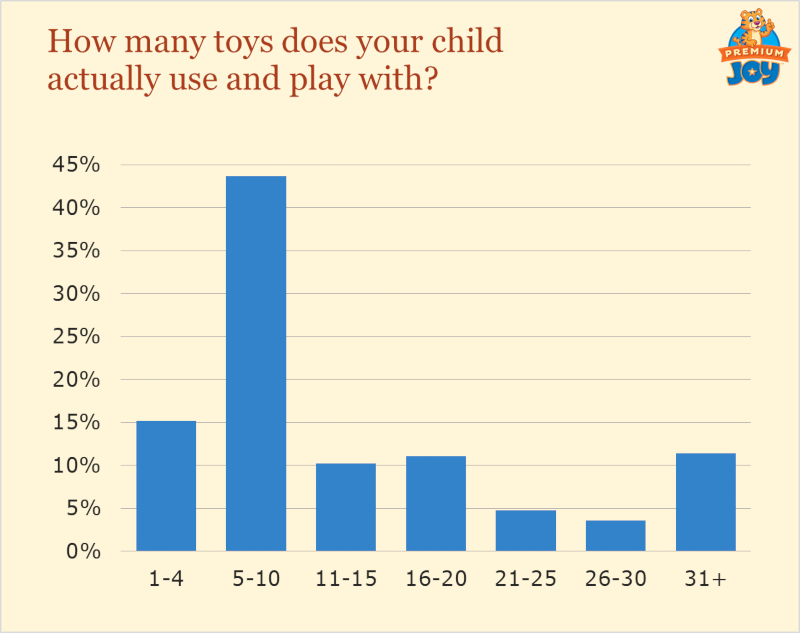
Parents and children can agree on how many toys are enough. Setting clear limits teaches self-control. Kids learn to prioritize their favorite toys. It helps keep play areas neat and organized. Together, they create rules that everyone follows.
Credit: premiumjoy.com
Balancing Gifts And Purchases
Balancing gifts and purchases helps control how many toys a child has. It stops clutter and makes playtime more fun. Choosing the right amount of toys teaches children to value what they get. It also helps parents spend wisely and reduce waste. Planning and clear choices are key to this balance.
Managing Holiday And Birthday Gifts
Holidays and birthdays bring many toys. Too many gifts can overwhelm children. Set a limit on the number of presents. Share this limit with family before events. Prioritize quality and usefulness over quantity. This approach keeps toys manageable and meaningful.
Communicating With Family And Friends
Talk openly with family about gift plans. Suggest ideas that fit your child’s needs and interests. Explain your goal to keep toy amounts balanced. Offer alternatives like books or experiences. Clear communication helps avoid duplicate or unwanted toys.
Experiences Vs. Physical Toys
Experiences create lasting memories. They teach and entertain without adding clutter. Choose outings, classes, or trips as gifts. These moments build skills and family bonds. Balance physical toys with experiences for a richer childhood.

Credit: www.todaysparent.com
Frequently Asked Questions
How Many Toys Does An Average Child Need?
Most experts recommend around 20-30 toys to keep children engaged. This allows variety without overwhelming them. Quality over quantity helps improve creativity and focus.
What Types Of Toys Best Support Child Development?
Educational, open-ended, and imaginative toys foster learning and creativity. Toys that encourage problem-solving and social interaction are ideal for growth.
How Do Too Many Toys Affect A Child’s Behavior?
Excess toys can cause distraction, stress, and decision fatigue. Fewer toys promote better focus, responsibility, and appreciation for possessions.
When Should Parents Rotate Their Child’s Toys?
Rotate toys every few weeks to maintain interest and excitement. This method keeps playtime fresh and stimulates cognitive development.
Conclusion
Children need enough toys to spark their imagination and joy. Too many toys can cause distraction and clutter. Choosing quality over quantity helps kids focus and enjoy playtime. Simple toys often encourage creativity and problem-solving. Parents should observe what their child truly enjoys and uses.
A balanced number of toys supports healthy development and happiness. Remember, playtime is about fun, learning, and connection. Less can be more when it comes to toys. Finding the right amount makes playtime meaningful and stress-free.
