

Have you ever watched a child dive into a world of make-believe and wondered why they love it so much? Pretend play isn’t just fun—it’s a powerful way kids learn and grow.
When your child transforms a simple box into a spaceship or pretends to be a doctor, they’re doing more than playing. They’re building skills, exploring emotions, and boosting creativity. Keep reading to discover why pretend play captures your child’s imagination and how it shapes their development in ways you might not expect.
This insight will change how you see playtime forever.
Role Of Imagination
Imagination plays a big role in why kids love pretend play. It helps them create stories and explore ideas beyond the real world. This mental freedom makes playtime exciting and full of surprises.
Through imagination, children build their own worlds and try out new roles. They learn about themselves and others while having fun. This process boosts creativity and helps their brain grow.
Creating New Worlds
Kids use their imagination to build new places and settings. These worlds can be magical lands, faraway planets, or secret hideouts. This lets children escape everyday life and feel free to explore.
Creating new worlds also helps kids solve problems. They think about how things work and what might happen next. This kind of play grows their thinking skills and curiosity.
Exploring Different Characters
Pretend play lets kids try being different people or creatures. They can be heroes, animals, or even their favorite storybook characters. This helps children understand feelings and actions of others.
Acting as different characters also builds social skills. Kids practice talking, sharing, and cooperating. They learn about roles and relationships in a safe space.
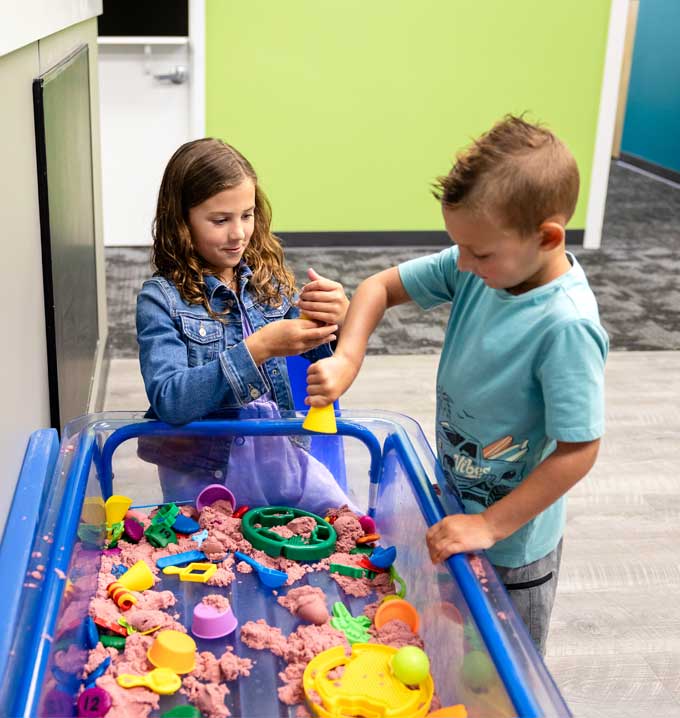
Credit: lighthouseautismcenter.com
Emotional Benefits
Pretend play offers many emotional benefits for children. It helps them understand and manage their feelings. Through play, kids learn about their emotions in a safe way. This boosts their emotional health and helps them grow strong inside. Pretend play also builds their confidence and self-esteem. It creates a space where children feel free to express themselves without fear.
Expressing Feelings Safely
Pretend play lets kids show their feelings without words. They act out emotions like happiness, anger, or sadness. This helps them understand these feelings better. Kids can explore tough emotions in a safe space. They learn to handle emotions without getting upset. It reduces stress and helps kids feel calm. Pretend play is a gentle way to process feelings.
Building Confidence
Playing pretend helps children feel more sure of themselves. They take on roles and make decisions during play. This practice builds their self-trust and bravery. Kids learn to solve problems and face challenges. Each success in play makes them feel proud. Confidence grows as children try new things safely. Pretend play supports strong, happy emotional growth.
Social Skills Development
Pretend play helps children grow their social skills. It gives them chances to talk, listen, and work with others. These skills are very important for school and life. Kids learn by acting out roles and stories with friends or family.
Playing pretend teaches children how to get along and understand each other. They practice being kind, patient, and thoughtful. These moments build strong social habits that last a lifetime.
Cooperation And Sharing
Pretend play asks kids to share toys and ideas. They learn to take turns and work as a team. This helps children see the value of helping others. They discover that sharing makes playtime fun for everyone.
Cooperation grows as children plan and solve problems together. They learn to listen and respect others’ opinions. These lessons are important for healthy friendships.
Understanding Others’ Perspectives
In pretend play, kids become different characters. They imagine how others feel and think. This helps children step into someone else’s shoes. They develop empathy and kindness.
Seeing the world through others’ eyes teaches respect and patience. Children learn to accept different ideas and feelings. These skills improve their ability to connect with people around them.

Credit: www.visualsp.com
Cognitive Growth
Pretend play helps children grow their thinking skills. It lets them explore new ideas and solve simple problems. This play form is more than fun. It supports brain growth and learning.
Children create stories and roles. They use imagination to face challenges. This process builds strong mental skills. It helps them understand the world better.
Problem Solving
Pretend play often puts kids in tricky situations. They must find ways to fix problems. This practice sharpens their problem-solving skills. Kids learn to think of many solutions. They try different ideas until one works.
These experiences teach kids to be patient and creative. They gain confidence in making decisions. Problem solving through play prepares them for real-life challenges.
Language And Communication
Kids talk and listen during pretend play. They use new words and phrases. This helps them improve language skills. They practice clear speaking and understanding.
Conversations in play teach children how to express feelings. They learn to share ideas with friends. These skills are important for school and social life.
Joyful Learning
Pretend play brings joy and learning together for children. It helps them explore new ideas and practice skills. Through play, kids enjoy learning without feeling pressured. They feel free to express themselves and try different roles. This kind of learning is natural and fun.
Children learn important lessons about life, rules, and social skills during pretend play. It builds their confidence and creativity. Each play session is a chance to discover something new and exciting.
Fun With Rules And Structure
Pretend play often has simple rules. These rules guide children and give shape to their play. Following rules helps kids understand limits and fairness. They learn how to take turns and cooperate with others. Rules create a safe space where children can explore freely.
Structure in play helps kids organize their thoughts. It teaches them how to plan and solve problems. This balance of freedom and rules makes play both fun and meaningful.
Sense Of Achievement
Completing a pretend play story gives kids a sense of success. They feel proud when their ideas come to life. This feeling encourages them to try new things. Achievements in play boost self-esteem and motivation.
Children enjoy showing their creations to others. Sharing their stories builds communication skills. The joy of achievement makes learning a positive experience.
Encouraging Pretend Play At Home
Pretend play is important for children’s growth. It helps them learn and be creative. Parents can support this play at home easily. Simple steps make a big difference in how kids enjoy and benefit from pretend play.
Setting up a fun and safe space encourages children to use their imagination. Joining their play shows interest and guides their learning. Both create strong bonds and boost confidence.
Creating A Stimulating Environment
Give children toys and items that inspire stories. Boxes, costumes, and simple props work well. Rotate toys to keep play fresh and exciting. A quiet, comfortable spot helps kids focus. Natural light and soft colors create calmness. Keep the area tidy but flexible for changes.
Participating And Guiding
Join your child’s play without taking control. Follow their ideas and add small suggestions. Ask questions that make them think more. Praise creativity and effort, not just results. Use simple language to help them express feelings. Let them lead, but be ready to step in if needed.

Credit: www.amazon.com
Frequently Asked Questions
Why Do Kids Love Pretend Play?
Kids love pretend play because it sparks creativity and imagination. It helps them explore emotions and social roles. Pretend play also enhances problem-solving skills and communication. This type of play allows children to express themselves freely and build confidence in a fun, safe environment.
How Does Pretend Play Benefit Child Development?
Pretend play supports cognitive, emotional, and social growth. It boosts language skills by encouraging storytelling and dialogue. It also improves empathy by understanding others’ perspectives. Pretend play fosters creativity, critical thinking, and teamwork, all essential for healthy child development.
What Skills Do Children Gain From Pretend Play?
Children develop communication, problem-solving, and social skills during pretend play. They learn to negotiate, share, and cooperate with peers. Pretend play also enhances creativity and emotional regulation. These skills are foundational for success in school and everyday life.
Can Pretend Play Improve A Child’s Emotional Health?
Yes, pretend play helps children process emotions and reduce stress. It offers a safe space to express fears and joys. This play type encourages emotional resilience and self-awareness. Overall, pretend play promotes mental well-being and healthy emotional development.
Conclusion
Pretend play sparks kids’ imagination and joy. It helps them learn about the world. Through play, they practice social skills and solve problems. Kids feel free to express their feelings and ideas. Pretend play builds creativity and confidence step by step.
It is a natural way for children to grow and explore. Encouraging pretend play supports healthy development and happy childhoods. A simple act with great benefits.
