

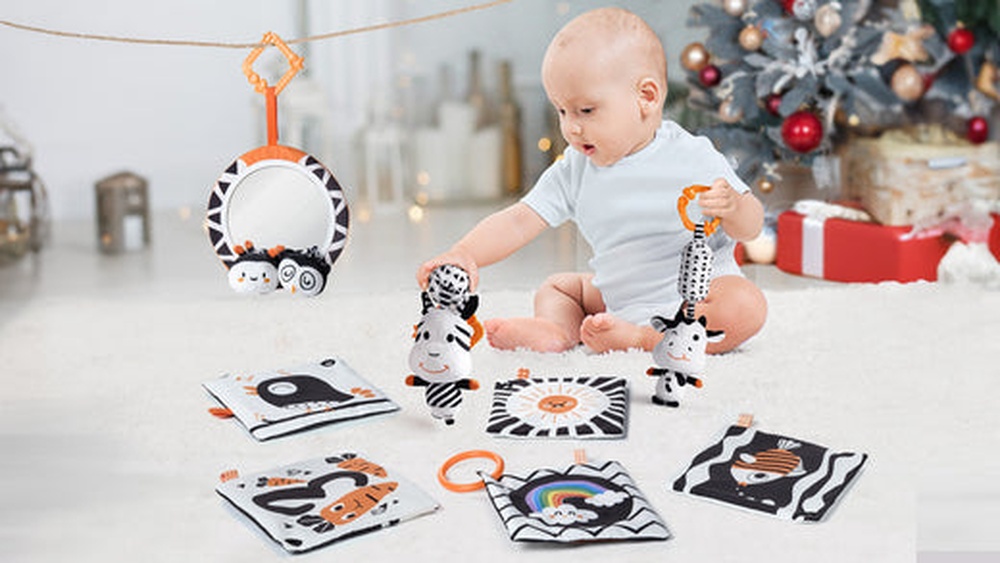
You want the best for your child, and playtime is a big part of that. But how long should kids really spend playing with toys each day?
Too little play might slow their growth, while too much could lead to restlessness or distraction. Finding the right balance is key to helping your child learn, grow, and stay happy. You’ll discover simple, practical advice on how to set playtime limits that work for your family.
Keep reading—you’re about to unlock the secret to making playtime both fun and healthy for your kids.
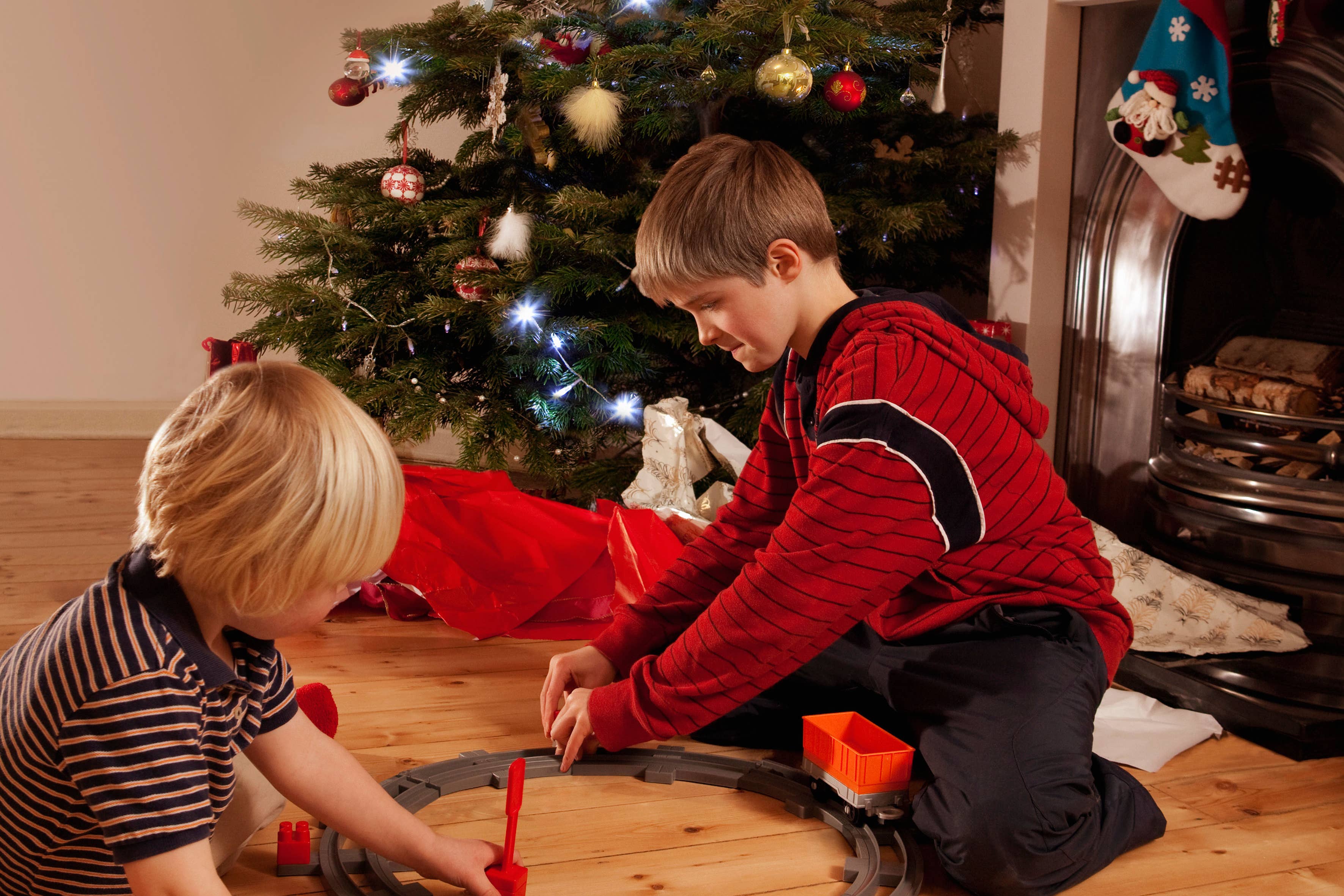
Credit: www.independent.co.uk
Benefits Of Playtime
Playtime is more than just fun for kids. It helps them grow in many important ways. Regular play supports their brain, body, and feelings. It also teaches them how to get along with others. Understanding these benefits shows why daily play matters.
Setting a good amount of playtime helps children develop skills they will use for life. It is a natural way to learn and explore the world safely. Play builds a strong foundation for learning and happiness.
Cognitive Development
Playing helps kids think and learn better. It improves memory, attention, and problem-solving skills. Toys that challenge the brain encourage creativity. Children practice making decisions and understanding new ideas. These mental exercises prepare kids for school and daily tasks.
Physical Health
Active play keeps children healthy and strong. Running, jumping, and moving improve muscles and bones. It also helps with coordination and balance. Regular activity supports heart health and energy levels. Physical play creates habits for a healthy lifestyle.
Social Skills
Playing with others teaches sharing and teamwork. Kids learn to communicate and listen well. They practice taking turns and solving conflicts. Social play builds friendships and trust. These skills help children succeed in groups and communities.
Emotional Growth
Play allows children to express feelings safely. It helps reduce stress and boosts confidence. Kids learn to understand their emotions better. Role-playing toys help them explore different situations. Emotional play supports kindness and self-control.
Age-based Playtime Recommendations
Playtime is essential for children’s growth and learning. Different ages need different amounts of play to support their development. Setting the right playtime helps kids build skills, stay active, and enjoy their childhood.
Understanding age-based playtime helps parents balance fun and rest. It also encourages healthy habits early on. Below are simple guidelines for how long kids should play each day by age group.
Toddlers (1-3 Years)
Toddlers benefit from short, frequent play sessions. Aim for about 1 to 2 hours daily. Break play into small parts throughout the day. Use toys that promote movement and exploration. Simple blocks, soft balls, and puzzles work well. Supervised play supports safety and learning.
Preschoolers (3-5 Years)
Preschoolers enjoy longer play times, around 2 to 3 hours per day. Encourage a mix of active and quiet play. Outdoor play helps develop motor skills and social interaction. Creative toys like art supplies and building sets boost imagination. Play should be fun and not feel like a task.
School-aged Children (6-12 Years)
Children in this group need about 3 hours of play daily. Active play is important for fitness and focus. Sports, riding bikes, and running games are great choices. Include time for screen-free play to improve attention. Social play with friends supports emotional growth.
Teenagers And Play
Teens still need play but in different ways. Aim for at least 1 hour of physical activity daily. Sports, dance, or walking with friends works well. Mental play like puzzles or creative hobbies also helps. Play reduces stress and improves mood for teens.
Types Of Play And Their Impact
Play is not just fun for kids. It shapes how they learn and grow. Different types of play help develop various skills. Understanding these types helps parents decide how long children should play each day.
Play affects creativity, social skills, and physical health. Each kind of play offers unique benefits. Balancing these types supports a child’s overall development.
Free Play Vs Structured Play
Free play lets children explore on their own. They choose toys and decide the rules. This play boosts imagination and problem-solving. Kids learn to be independent and creative.
Structured play has set goals and rules. It often involves adults guiding the activity. This type helps kids learn discipline and cooperation. It teaches following instructions and teamwork.
Solo Play Vs Group Play
Solo play means playing alone. It helps children focus and understand their feelings. Kids learn to enjoy their own company. This play builds self-confidence and patience.
Group play involves playing with others. It teaches sharing, communication, and teamwork. Kids learn to negotiate and solve conflicts. Group play builds social skills and friendships.
Active Play Vs Quiet Play
Active play involves physical movement like running or jumping. It improves strength, coordination, and health. Kids release energy and reduce stress through active play.
Quiet play includes puzzles, reading, or drawing. It helps concentration and fine motor skills. Quiet play calms the mind and encourages focus.

Credit: www.amazon.com
Balancing Play With Other Activities
Balancing play with other daily activities helps children grow well. Play is important, but kids need time for other tasks too. A good balance supports their learning, health, and happiness. Parents should guide kids to divide their time wisely. This helps children enjoy toys and meet their daily needs.
Screen Time Considerations
Too much screen time can harm children’s eyes and sleep. Limit screen use to one or two hours a day. Choose educational programs or apps to make screen time useful. Encourage breaks from screens to rest their eyes. Balance screen time with hands-on play and quiet activities.
Homework And Responsibilities
Homework helps children practice and learn new skills. Set a specific time for homework before playtime. Teach kids to finish tasks before relaxing with toys. Responsibilities like chores also build good habits and discipline. Balancing these tasks with play helps children feel organized and calm.
Physical Activity And Outdoor Play
Physical activity keeps kids strong and healthy. Outdoor play improves mood and creativity. Encourage at least one hour of active play every day. Mix indoor toy time with outdoor games or sports. This balance supports healthy bodies and minds for growing children.
Signs Of Healthy Playtime
Healthy playtime helps children grow and learn. It supports their body, mind, and feelings. Watching how kids play can show if playtime is just right. There are signs parents can see to know if kids enjoy play safely and happily.
Engagement Levels
Kids should show interest in their toys. They play actively, not passively. Focus and excitement mean they enjoy the activity. Short breaks are normal during play. If a child loses interest fast, playtime might be too long or boring.
Avoiding Overstimulation
Too much play or noisy toys can overwhelm kids. Signs include irritability, restlessness, or tiredness. Calm and happy behavior means playtime suits their needs. Changing toys or quiet moments help avoid stress and keep play healthy.
Encouraging Creativity
Healthy play lets kids use imagination. They create stories, build, or pretend with toys. Creativity grows when children make their own fun. Toys that inspire new ideas show playtime is good for development.
Tips For Parents To Manage Playtime
Managing playtime helps children enjoy toys and learn well. Parents can guide play to balance fun and safety. Small changes make playtime better and stress-free. Use clear steps to help kids play happily every day.
Setting Playtime Routines
Set a specific time for play each day. Consistent play schedules help kids feel secure. Use timers or alarms to keep track. Let children know when play starts and ends. Routines teach kids to manage their time well.
Choosing Age-appropriate Toys
Select toys that match your child’s age and skills. Age-appropriate toys keep children interested and safe. Avoid toys with small parts for younger kids. Toys that challenge abilities encourage growth. Check labels to find suitable options easily.
Creating A Safe Play Environment
Clear the play area from sharp or breakable items. Soft mats and child-proof corners reduce injury risks. Keep toys organized and within reach for kids. Supervise playtime to prevent accidents. A safe space lets kids explore freely and confidently.

Credit: www.amazon.com
Frequently Asked Questions
How Long Should Toddlers Play With Toys Daily?
Toddlers should play with toys about 1 to 2 hours daily. This supports their growth and learning while keeping them engaged and active.
Does Playtime Duration Vary By Age Group?
Yes, younger kids need shorter play sessions, while older kids can play longer. Age-appropriate playtime ensures healthy development and focus.
Can Too Much Toy Play Harm Kids?
Excessive playtime might reduce physical activity and social interaction. Balance is key to promoting both mental and physical health in children.
How To Balance Toy Play With Other Activities?
Limit toy play to set periods and encourage outdoor, social, and learning activities. A well-rounded routine benefits overall child development.
Conclusion
Kids need the right amount of playtime every day. Playing helps them learn and grow. Too little play can slow their skills. Too much play may tire them out. About one to two hours of play is good. This time lets children explore and have fun.
Parents should watch how their kids respond. Balance is key for healthy play habits. Enjoying toys daily supports strong minds and bodies. Keep playtime fun, safe, and steady. This helps kids stay happy and active.
