

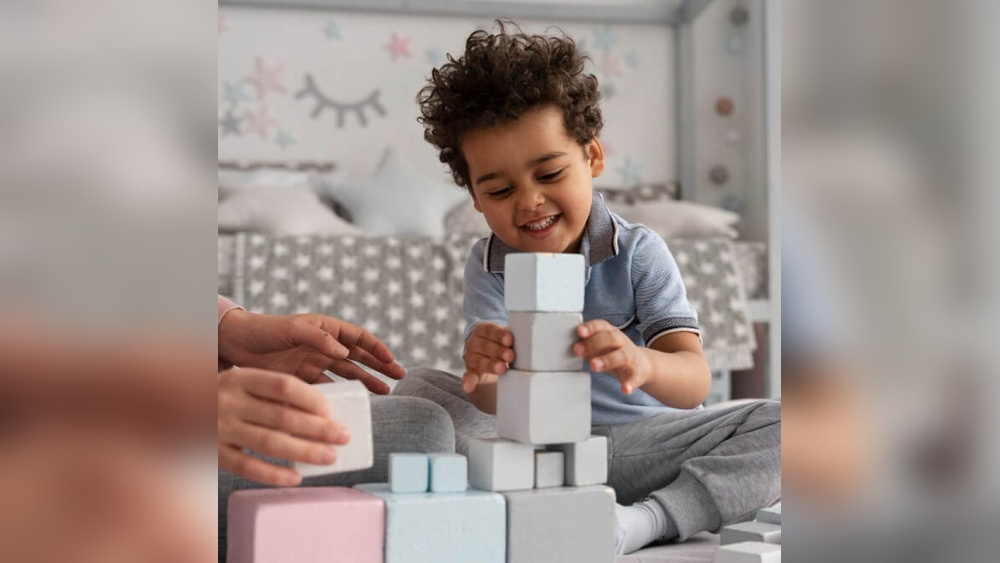
Have you ever noticed how your child loves to press the same button on a toy over and over again? You might wonder why they enjoy doing the same action repeatedly.
It’s not just a simple habit—it’s actually a key part of how kids learn and grow. Understanding why repetitive toy actions captivate your child can help you support their development and make playtime even more meaningful. Keep reading to discover the surprising reasons behind this behavior and how you can turn it into a powerful tool for your child’s learning.
Appeal Of Repetitive Play
Children often enjoy doing the same toy actions over and over again. This kind of play feels safe and fun for them. Repetitive play helps kids learn how the world works. It gives them chances to explore and practice skills. Repeating actions also builds their confidence and focus.
Through repeating, children find joy in familiar movements. It calms their minds and makes them feel happy. This simple play style supports their growth and understanding in many ways.
Predictability And Comfort
Kids love knowing what will happen next. Repetitive toy actions create a clear and steady pattern. This predictability makes children feel calm and secure. They know what to expect, so they relax and enjoy the moment.
Comfort grows from this steady rhythm. It reduces worries and helps kids feel safe. The same actions repeated bring a sense of peace during playtime.
Sense Of Control
Repeating actions gives kids control over their play. They decide how and when to move the toy. This control helps children feel strong and independent.
Having control also teaches cause and effect. Kids see how their actions change the toy’s behavior. This understanding builds their confidence and curiosity.
Cognitive Advantages
Repetitive toy actions help children learn and grow in many ways. These repeated movements build strong brain connections. Kids enjoy these tasks because their minds develop through practice. This section explains the main cognitive benefits of repetitive play.
Memory Enhancement
Repeating actions with toys improves a child’s memory. Each time they repeat, their brain stores the steps better. This makes it easier to remember tasks later. Memory gets stronger with practice and repetition. It also helps children recall details quickly in other activities.
Problem-solving Skills
Repetitive play teaches children how to solve problems. They try different ways to complete the task. This trial and error process builds thinking skills. Kids learn to find solutions on their own. Repetition helps them understand cause and effect clearly.
Emotional Benefits
Repetitive toy actions bring many emotional benefits to kids. These simple, repeated motions help children feel calm and safe. Playing this way gives them a chance to express feelings without words. It supports their emotional growth in a gentle, natural way.
Stress Relief
Repetitive actions help kids reduce stress. The steady rhythm soothes their minds. It creates a feeling of control and comfort. When kids repeat toy movements, their bodies relax. This lowers anxiety and helps them feel peaceful.
Building Confidence
Repeating toy actions builds a child’s confidence. Mastering small tasks gives them pride. Success in these simple steps encourages them to try more. They learn they can solve problems and keep going. This strengthens their belief in themselves.
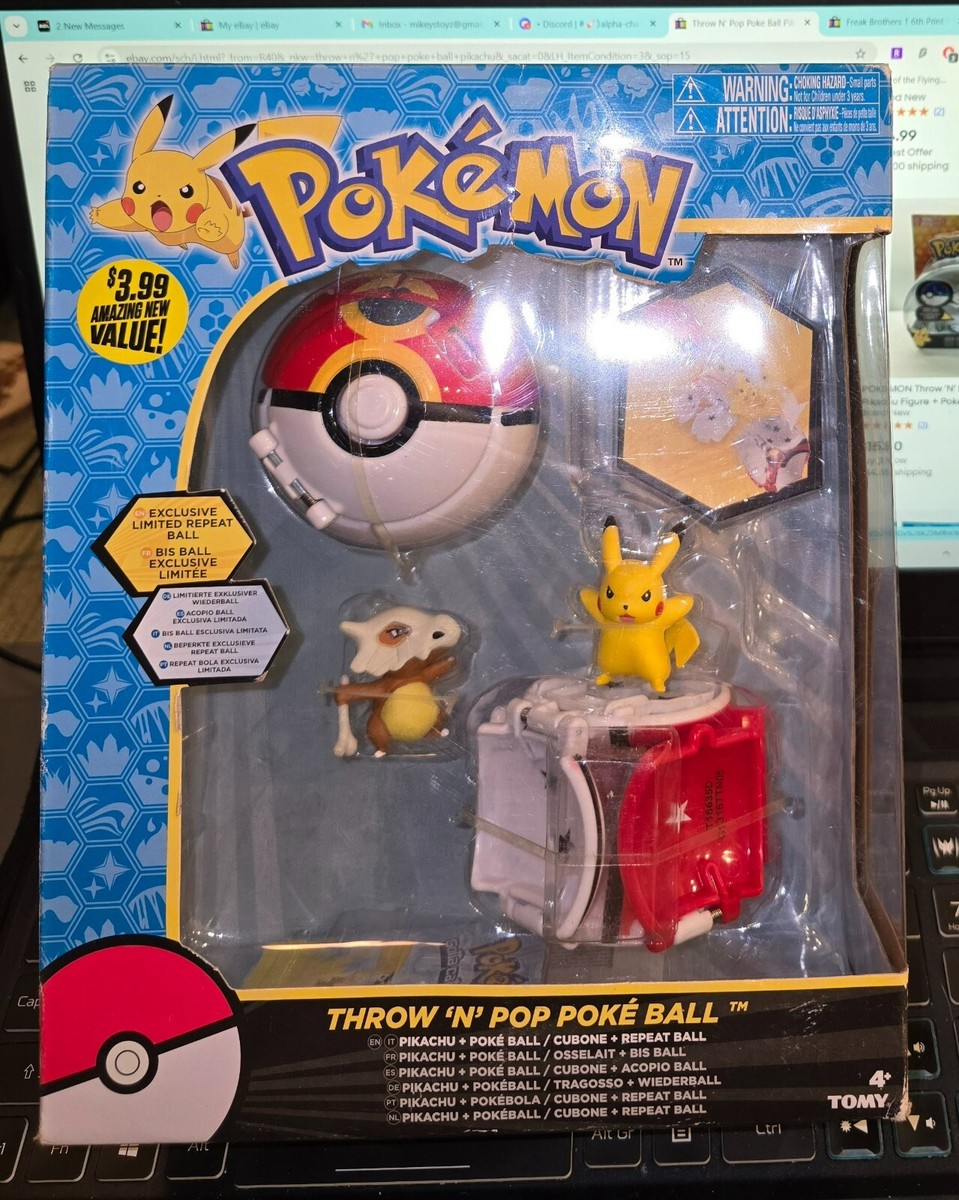
Credit: www.ebay.com
Physical Development
Physical development is a key reason why children enjoy repeating toy actions. This repetition helps their bodies grow stronger and more skilled. Kids learn how to control their small muscles and movements. These skills are important for everyday tasks and future learning.
Through repetitive play, children gain confidence in their physical abilities. They practice moving their hands and fingers in new ways. This practice supports healthy growth and builds a foundation for more complex actions.
Fine Motor Skills
Fine motor skills involve small muscle movements in the hands and fingers. Kids develop these skills by doing the same toy actions over and over. Activities like stacking blocks, fitting puzzle pieces, or pressing buttons improve hand strength.
Repetitive play also improves finger control and precision. These skills help children write, draw, and use utensils later on. The more they practice, the better their fine motor skills become.
Hand-eye Coordination
Hand-eye coordination means using the eyes and hands together smoothly. Repeated toy actions help kids improve this skill. Catching a ball, placing shapes, or threading beads all require good coordination.
When children repeat these actions, their brains learn to guide their hands more accurately. This coordination is important for sports, writing, and many daily activities. Repetition builds stronger connections between the eyes and hands.
Social Interaction Boost
Repetitive toy actions help children connect with others. These actions create chances to play and talk together. Kids feel happy sharing toys and ideas. This makes their social skills grow strong.
Playing with others boosts children’s confidence. They learn to wait, take turns, and listen. These simple steps teach respect and kindness. Repetition helps kids understand social rules better.
Sharing And Cooperation
Repeating toy actions encourages sharing. Kids pass toys back and forth many times. This builds trust and friendship among them. Cooperation grows as children plan their play. They learn to work as a team. Sharing becomes easier with practice through repetition.
Language Development
Talking during repetitive play improves language skills. Kids use words to explain their actions. They ask questions and respond to friends. Repetition helps remember new words. Simple phrases become clear and confident. This strengthens speaking and listening abilities.
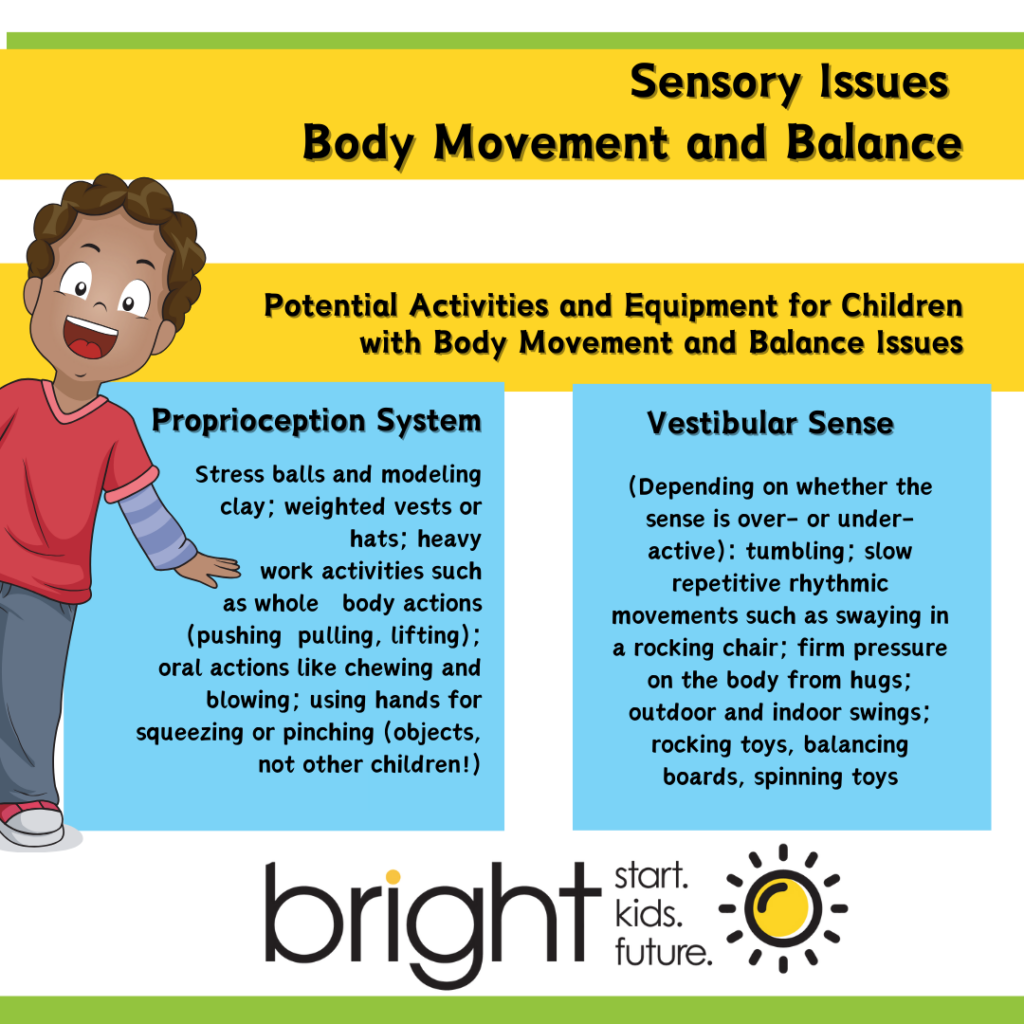
Credit: papromiseforchildren.com
Role Of Imagination
Imagination plays a big role in why kids enjoy repeating toy actions. It helps them build worlds and stories inside their minds. Repetition gives them a safe way to explore ideas and feelings. Through repeating actions, children see new things every time. This keeps their play fresh and exciting.
Creative Storytelling
Kids use repeated toy actions to tell stories. They create characters and adventures with simple moves. Each repetition adds a new detail or twist. This helps children practice language and express emotions. They become little storytellers, shaping their own tales.
Exploring Scenarios
Repetitive actions let kids try different situations again and again. They imagine what happens next or what if something changes. This helps them understand cause and effect. Playing with toys in this way builds problem-solving skills. It also makes kids feel in control and confident.
Selecting Toys For Repetitive Play
Selecting toys for repetitive play means choosing items that children will enjoy using again and again. These toys help kids explore and learn through repeated actions. The right toy keeps children interested and supports their growth.
Repetitive play offers comfort and builds skills. Toys that encourage this type of play are simple but engaging. They often involve actions kids can repeat easily, like pressing buttons or stacking blocks.
Features To Look For
Choose toys with clear, easy-to-understand functions. Toys that respond to a child’s actions, like making sounds or moving parts, attract repeated play. Durable materials are important because kids often use these toys many times. Bright colors and interesting textures also help hold a child’s attention.
Age-appropriate Choices
Select toys that fit the child’s age and abilities. Toys too hard or too easy can cause frustration or boredom. For toddlers, simple toys with large parts work best. Older kids might enjoy toys with more steps or challenges. Age-appropriate toys promote safe and fun repetitive play.

Credit: www.visualsp.com
Frequently Asked Questions
Why Do Kids Love Repeating Toy Actions?
Kids enjoy repeating toy actions because it helps them learn cause and effect. Repetition builds their confidence and understanding. It also provides comfort and entertainment, making playtime engaging and predictable. This behavior supports cognitive development and fine motor skills.
How Does Repetition Benefit Child Development?
Repetition enhances memory and skill acquisition in children. It promotes neural connections and helps kids master tasks. Repetitive play improves focus and problem-solving abilities. It also supports language and social skills by reinforcing learning through practice.
What Types Of Toys Encourage Repetitive Play?
Toys like building blocks, puzzles, and action figures encourage repetition. Interactive toys with buttons or sounds also promote repeated actions. These toys stimulate curiosity and creativity, making children eager to explore and learn through repetition.
Can Repetitive Toy Actions Improve Motor Skills?
Yes, repetitive toy actions improve fine motor skills by strengthening hand-eye coordination. Activities like stacking blocks or pressing buttons enhance dexterity. Consistent practice helps children gain control and precision in their movements.
Conclusion
Kids enjoy repeating toy actions because it helps them learn and feel safe. Repetition builds their skills and boosts confidence. It also brings comfort and joy in a simple way. Watching them play this way shows how important routine is for growth.
Toys that allow repeated actions keep children curious and happy. These small, repeated moments create big learning chances. Understanding this helps parents choose toys that support healthy play. Repetitive play isn’t just fun—it’s a key part of childhood development.
