

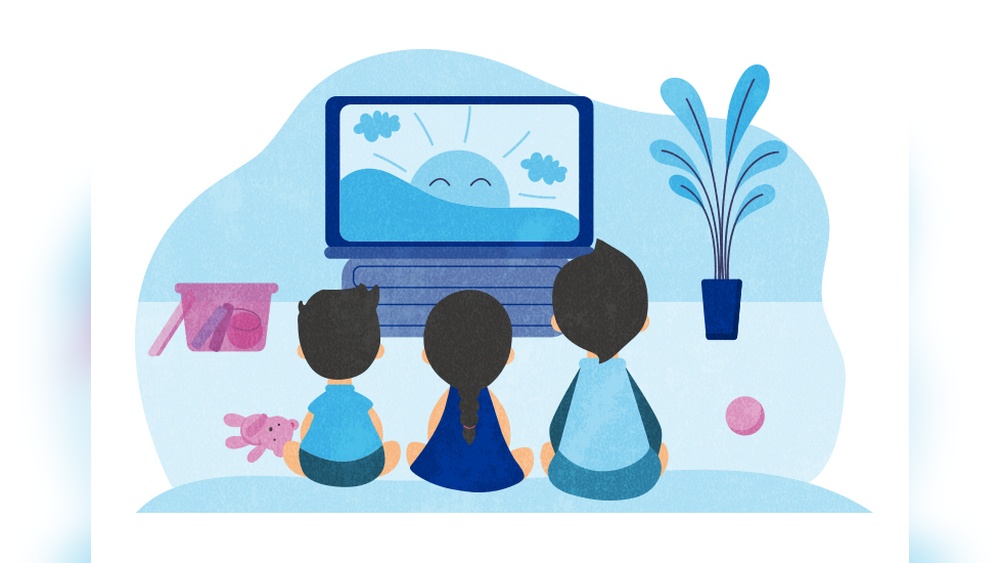
Are you worried that your child spends too much time in front of screens? Finding the right balance between screen time and toy play can feel like a constant struggle.
You want your child to enjoy technology but also to explore, imagine, and learn through hands-on play. What if there was a simple way to create harmony between these two worlds? Keep reading, because you’ll discover practical tips that make balancing screen time and toy play easier—and more rewarding for both you and your child.

Credit: makoons.com
Impact Of Screen Time On Children
Screen time affects children in many ways. It can change how they learn, behave, and sleep. Understanding these effects helps parents find a good balance between screens and toys.
Effects On Development
Too much screen time can slow down a child’s learning. It may reduce chances to practice talking and playing. These skills are key for growing brains. Physical activity often drops when kids spend hours on screens. This can affect muscle and motor skill development. Toys and hands-on play help develop these skills better.
Behavioral Changes
Long screen time may lead to mood swings and irritability. Children might become less patient and more restless. Some kids show less interest in socializing. Screens can make it hard to focus on tasks. Playtime with toys often encourages sharing and cooperation, building better behavior habits.
Sleep Disruption
Screen use before bed can disturb sleep patterns. The blue light from screens tricks the brain. It stops the production of sleep hormones. Kids may take longer to fall asleep and wake up tired. Better sleep comes from quiet, screen-free routines before bedtime.

Credit: www.goodplayguide.com
Benefits Of Toy Play
Toy play offers many benefits for children’s growth and learning. It helps develop important skills that screen time alone cannot provide. Playing with toys allows kids to explore, imagine, and interact with the world around them.
Children gain confidence and joy through hands-on activities. These experiences support their mental and physical development. Understanding the benefits of toy play helps parents balance screen time and active play.
Enhancing Creativity
Toys encourage children to use their imagination. Building blocks, dolls, and art supplies inspire new ideas. Kids create stories and scenarios, boosting creative thinking. This type of play helps children solve problems in unique ways. Creativity grows stronger with regular toy play.
Improving Motor Skills
Playing with toys strengthens hand-eye coordination. Manipulating small pieces, like puzzles or Lego, improves fine motor skills. Physical toys, such as balls or ride-ons, enhance gross motor skills. These movements prepare children for daily tasks and sports. Motor skills develop best through active play.
Encouraging Social Interaction
Toys bring children together to play and share. Group play teaches communication and cooperation. Kids learn to take turns and follow rules. Social skills grow through conversations and teamwork. Toy play creates bonds and helps children understand others.
Setting Screen Time Limits
Setting screen time limits helps children balance digital use and toy play. It keeps their day structured and healthy. Clear rules reduce conflicts and confusion. Kids learn to enjoy both screens and toys without overdoing either.
Age-appropriate Guidelines
Different ages need different screen time limits. Toddlers should have very little screen exposure. Older kids can handle more but still need breaks. Follow recommendations from health experts for each age group. Keep screen use short and focused for young children.
Creating A Schedule
Make a daily plan for screen time and toy play. Set fixed times for using devices and playing with toys. This helps kids know what to expect each day. Balance active toy play with quiet screen time. Stick to the schedule to build good habits.
Using Parental Controls
Use parental controls to limit screen access. These tools can block apps or websites after a set time. They help enforce screen time rules without constant reminders. Choose controls that fit your child’s age and needs. Parental controls support healthy screen habits easily.
Promoting Engaging Toy Play
Promoting engaging toy play helps children enjoy their playtime more. It also supports their growth and learning. Toys can be a great way to balance screen time with active, hands-on activities.
Choosing toys that capture a child’s interest encourages longer play sessions. This makes playtime fun and meaningful. Creative and educational toys help kids develop new skills and stay curious.
Choosing The Right Toys
Pick toys that match your child’s age and abilities. Toys that are too hard or too easy can frustrate or bore them. Look for toys that invite children to explore and create. Simple blocks, puzzles, and building sets work well.
Choose toys that encourage movement and interaction. Toys that require using hands and mind help develop coordination and thinking skills. Avoid toys that only entertain passively.
Incorporating Educational Toys
Educational toys teach new skills while having fun. Look for toys that promote counting, colors, shapes, and letters. Science kits and simple experiments spark curiosity and learning. Educational toys make playtime both fun and useful.
Use these toys to introduce new ideas gently. Let children discover how things work on their own. This method helps build confidence and problem-solving skills.
Encouraging Imaginative Play
Imaginative play helps children use their creativity and emotions. Dress-up clothes, dolls, and action figures invite storytelling and role-playing. These activities improve language and social skills.
Give children space and time to imagine. Avoid directing their play too much. Open-ended toys like clay, art supplies, and simple props work best for this kind of play.
Combining Screen Time With Toy Play
Combining screen time with toy play helps children enjoy both worlds. It supports learning, creativity, and fun. Parents can guide children to use screens and toys wisely. This balance also helps kids develop many skills. The key is to mix both activities thoughtfully.
Interactive Learning Apps
Interactive learning apps make screen time educational. These apps teach numbers, letters, and shapes. Kids can solve puzzles or practice drawing. The apps keep children engaged and curious. They offer lessons that match toy play themes. For example, a building app pairs well with blocks. This blend deepens understanding and holds interest.
Screen Time As A Reward
Using screen time as a reward encourages good behavior. Kids feel motivated to finish chores or homework. Parents set clear rules on screen limits. This method teaches patience and self-control. It also makes screen time more special. Toys remain the main source of play and learning.
Balancing Entertainment And Education
Balance fun and learning in screen activities. Choose apps and videos that teach and entertain. Let children explore creative toys after screen time. This mix helps children rest their eyes. It also stimulates imagination and physical play. Setting a daily routine supports healthy habits. Parents watch for signs of too much screen use.
Creating A Balanced Routine
Creating a balanced routine helps children enjoy both screen time and toy play. It supports their growth and well-being. A clear routine brings structure and reduces conflicts. Children know what to expect and feel secure.
Consistency is important. It helps children learn limits and develop healthy habits. Balance also teaches self-control and time management. Parents can guide children to enjoy different activities without stress.
Establishing Consistent Rules
Set clear rules about screen time and toy play daily. Make limits simple and easy to follow. For example, allow one hour of screen time after playtime. Use a timer to keep track. Explain why these rules matter. Children respect boundaries when they understand reasons.
Involving The Whole Family
Include all family members in the routine. Children see parents and siblings following the same rules. This encourages cooperation and shared fun. Plan family play sessions and screen time together. It builds bonds and models good habits.
Adapting To Your Child’s Needs
Every child is different. Adjust the routine based on your child’s mood and interests. Some days may need more play and less screen time. Watch for signs of boredom or restlessness. Flexibility keeps the routine effective and enjoyable.
Monitoring And Adjusting Habits
Monitoring and adjusting habits is key to balancing screen time and toy play. Kids’ needs and interests change. Parents must watch and adapt limits to keep a healthy balance. This helps children enjoy both screen activities and playtime with toys. It also supports their growth and well-being.
Observing Behavior Changes
Watch your child’s mood and energy levels. Notice if screen time makes them restless or tired. See if toy play brings joy or frustration. Check how they interact with others after screen or toy time. These clues show how habits affect your child.
Adjusting Limits Over Time
Change screen and toy time based on what you observe. Increase toy play if the child feels bored or anxious. Reduce screen time if it causes irritability or poor sleep. Set flexible rules that fit your child’s age and needs. Small adjustments can make a big difference.
Seeking Professional Advice
Talk to doctors or child experts if you notice serious changes. Experts can help find the right balance for your child. They offer tips for managing screen and toy time safely. Getting help early supports your child’s healthy development.

Credit: junglejumparoo.com
Frequently Asked Questions
How Much Screen Time Is Healthy For Children Daily?
Experts recommend limiting children’s screen time to 1-2 hours daily. This helps promote physical activity and social interaction. Balancing screen time with other activities prevents negative effects on sleep and behavior. Consistent limits encourage healthy digital habits from an early age.
What Are Effective Ways To Balance Screen Time And Toys?
Set specific time slots for screen and toy play daily. Encourage interactive toy play to boost creativity and motor skills. Use screen time as a reward after active play. Establish tech-free zones to create a balanced play environment.
Can Toy Play Reduce Excessive Screen Time?
Yes, engaging toys capture children’s attention and reduce screen dependency. Toys stimulate imagination, problem-solving, and social skills. Offering attractive toy options encourages kids to choose play over screens. Consistent encouragement helps children develop a healthy play balance.
How To Create A Daily Schedule Balancing Screens And Toys?
Design a routine with dedicated periods for screen use and toy play. Include breaks and outdoor activities to keep children active. Communicate the schedule clearly to kids for better adherence. Adjust timing based on your child’s age and interests.
Conclusion
Balancing screen time and toy play helps children grow well. Both activities offer fun and learning chances. Parents can set clear limits to keep balance. Toys encourage creativity, while screens teach new skills. Small changes in daily routines make a big difference.
Kids enjoy variety and feel happier with balance. Healthy habits now build strong habits for the future. Keep watching your child’s needs and adjust as needed. Balance creates a happy, active, and smart child. Simple steps lead to a joyful, well-rounded childhood.
