

Are you struggling to keep your kids engaged and their toys organized? Creating a toy routine can be the simple solution you’ve been looking for.
When you have a clear plan for playtime and cleanup, your children learn good habits, and your home stays clutter-free. You’ll discover easy steps to build a fun and effective toy routine that fits your family’s lifestyle. Keep reading, and you’ll find practical tips that make playtime more enjoyable—for both you and your kids.

Credit: us.earlyrider.com
Benefits Of A Toy Routine
Creating a toy routine for kids brings many benefits. It helps children develop good habits and enjoy playtime more. A set routine makes playtime clear and simple. Kids feel safe and happy when they know what to expect. The benefits reach beyond just play and affect daily life positively.
Encouraging Responsibility
A toy routine teaches kids to take care of their belongings. They learn to put toys away after playing. This small task builds a sense of responsibility. Kids feel proud when they keep their space neat. It helps them understand the value of their toys.
Boosting Creativity
Having a toy routine gives children time to explore. They try new ways to play with their toys. Routine play encourages imagination and creative thinking. Kids learn to invent stories and games. This practice supports their brain development and problem-solving skills.
Reducing Clutter
A toy routine keeps toys organized and easy to find. Regular clean-up stops toys from piling up everywhere. Less clutter creates a calm and safe play area. It also helps parents maintain a tidy home. Children learn good habits that last a lifetime.
Choosing Age-appropriate Toys
Choosing age-appropriate toys is key to creating a fun and safe toy routine for kids. Toys should fit the child’s age to match their skills and needs. The right toys help children learn, explore, and grow. This section explains how to pick toys that suit your child’s age well.
Safety Considerations
Safety is the top priority when selecting toys. Check the packaging for age recommendations. Avoid toys with small parts for young children to prevent choking. Look for non-toxic materials and sturdy construction. Toys should not have sharp edges or loose pieces. Always supervise playtime, especially with new toys.
Matching Interests
Children enjoy toys that catch their attention. Notice what your child likes to do. Some kids love building blocks, others prefer puzzles or dolls. Picking toys that match interests keeps kids engaged longer. Changing toys occasionally can help discover new hobbies. Interest-based toys make playtime more meaningful.
Educational Value
Toys that teach skills are very helpful. Choose toys that encourage problem-solving or creativity. Building sets improve hand-eye coordination. Storybooks and puzzles boost language and thinking skills. Educational toys support learning while having fun. Balance play with learning for a healthy routine.
Setting A Daily Play Schedule
Setting a daily play schedule helps children enjoy their toys and learn good habits. A clear plan guides kids on when to play and when to rest. This routine brings balance and makes playtime more fun.
Balancing Play And Chores
Kids need time for both fun and tasks. Assign short chores before or after playtime. This teaches responsibility and keeps the day organized. For example, cleaning up toys before dinner works well.
Incorporating Break Times
Breaks help children relax and stay focused. Include short pauses between play sessions. These moments let kids rest their eyes and minds. A five-minute break after 30 minutes of play is ideal.
Consistency Tips
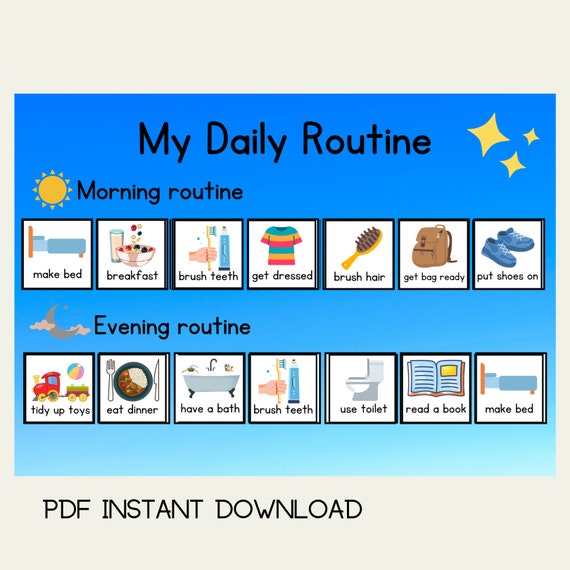
Stick to the same schedule each day. Predictability helps children feel safe and confident. Use reminders like timers or charts to keep on track. Praise kids for following the routine well.
Credit: www.etsy.com
Organizing Toys Effectively
Organizing toys effectively helps keep play areas neat and fun. It makes it easier for kids to find their favorite toys. A good system teaches children responsibility and care for their belongings. Here are some simple ways to organize toys for a smooth toy routine.
Storage Solutions
Choose storage that fits the space and toy types. Bins, shelves, and baskets work well for different toys. Clear containers let kids see what’s inside quickly. Use low shelves for easy access by children. Stackable bins save space and keep toys tidy.
Labeling And Sorting
Label each storage container with words or pictures. This helps kids know where to put toys back. Sort toys by type, size, or use. Group blocks, dolls, and art supplies separately. Simple labels make clean-up faster and teach sorting skills.
Rotating Toy Selection
Keep some toys out and store others away. Rotate toys every few weeks to keep play fresh. This prevents clutter and keeps kids interested. Store unused toys in a box or closet. Rotating toys helps children focus on fewer items at once.
Creating Fun Cleanup Habits
Creating fun cleanup habits helps kids enjoy tidying up toys. It makes cleanup less of a chore and more of a fun part of their day. When kids like cleaning up, they learn to take care of their things. This habit grows with them and helps keep the home neat.
Making Cleanup A Game
Turn cleanup time into a playful activity. Use a timer to see how fast kids can put toys away. Make up simple challenges like “Who can find the most blocks?” or “Can you sort by color?” Games keep kids interested and happy while cleaning.
Reward Systems
Small rewards encourage kids to clean up regularly. Use stickers, extra story time, or a special treat. Rewards don’t have to be big. Praise and smiles also motivate kids to keep good habits.
Involving The Whole Family
Cleanup works best when everyone joins in. Parents and siblings help set an example. Cleanup time becomes a family activity, not just a kid’s job. Working together makes the task faster and more fun.
Adapting The Routine Over Time
Creating a toy routine for kids is not a one-time task. It needs changes as your child grows and their interests shift. Adapting the routine keeps playtime fun and useful. It also helps children stay engaged and learn new skills.
Adjusting For Growth
Children grow fast. Their skills and interests change too. Change the toy routine to fit their new needs. Swap simple toys for ones that challenge their skills. This keeps the routine fresh and exciting. It also helps your child develop better abilities.
Introducing New Toys
New toys can bring excitement to the routine. Add them slowly to see how your child reacts. Choose toys that match their current interests. This helps keep them interested and curious. Rotate toys often to avoid boredom.
Handling Resistance
Sometimes kids may not like changes in their routine. They might resist new toys or new play times. Stay calm and patient. Offer choices to give them some control. Encourage them gently to try new things. Over time, they will adjust and enjoy the new routine.

Credit: www.toothbrushtoys.com
Frequently Asked Questions
What Is A Toy Routine For Kids?
A toy routine organizes playtime by scheduling when and how kids use their toys. It helps develop structure, responsibility, and creativity.
How Do I Start Creating A Toy Routine?
Begin by listing your child’s favorite toys. Set specific playtimes and rotate toys to keep interest high and avoid clutter.
Why Is A Toy Routine Important For Children?
A routine promotes healthy play habits, reduces mess, and encourages kids to focus. It also supports cognitive and emotional development.
How Often Should Toy Routines Be Updated?
Update toy routines every few weeks or months. Adjust based on your child’s interests and developmental needs to keep play engaging.
Conclusion
Creating a toy routine helps kids stay organized and happy. It teaches them how to share and take care of their things. Regular playtime builds good habits and sparks creativity. Keep the routine simple and fun to hold their interest.
Change it as kids grow and their needs shift. A clear plan makes playtime calm and joyful for everyone. Try it step by step and watch the positive change. Simple routines lead to big benefits for your child’s day.
