

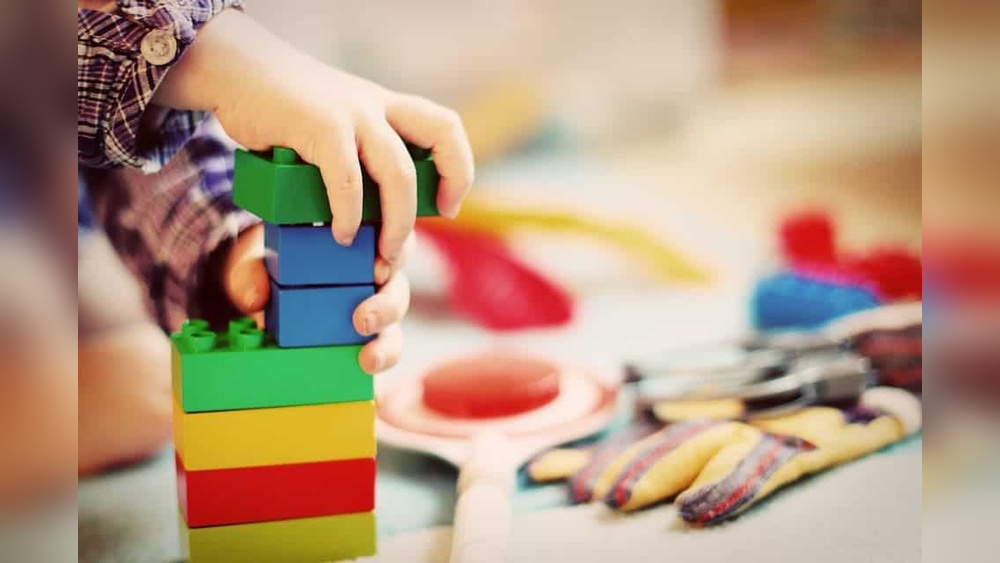
Have you ever wondered why kids often choose a plain wooden block over a flashy, high-tech gadget? It might surprise you how much simple toys can capture your child’s attention and spark their imagination.
When you understand why kids prefer these uncomplicated playthings, you’ll see how they help your child grow, learn, and stay happy. Keep reading to discover the powerful reasons behind this choice—and how you can use it to make playtime more meaningful for your little ones.
Appeal Of Simplicity
Kids often choose simple toys over complex ones. The reason lies in the clear appeal of simplicity. Simple toys provide an easy and fun experience. They do not confuse or frustrate children. Instead, these toys invite kids to explore and enjoy playtime freely.
Simplicity helps children feel in control. It allows their imagination to grow without limits. Simple toys focus on basic fun. They avoid too many rules or complicated parts. This makes playtime more relaxing and joyful.
Ease Of Use
Simple toys are easy to understand and handle. Kids do not need instructions or help to play. This independence boosts their confidence. Toys that are easy to use encourage longer and more frequent play. Children can start playing right away without delay.
Instant Gratification
Simple toys offer quick rewards. Kids see results immediately when they play. This instant feedback keeps them interested and happy. Complex toys may take time to learn, causing boredom or frustration. Simple toys satisfy children’s need for fast fun and success.
Less Overstimulation
Simple toys avoid loud sounds or flashing lights. They do not overwhelm children’s senses. Less overstimulation helps kids focus better on play. Calm and quiet toys create a soothing environment. This supports healthy development and reduces stress during playtime.
Credit: camdenrose.com
Boosting Imagination
Simple toys help kids grow their imagination in many ways. These toys do not have fixed rules or limits. Kids can use them to create stories and new worlds. Imagination is important for learning and problem-solving. Simple toys give children space to dream and explore.
Open-ended Play
Simple toys allow open-ended play. Kids decide how to use them. A block can be a car, a house, or a mountain. No instructions needed. This freedom helps kids think in different ways. They learn to solve problems and think creatively.
Encouraging Creativity
Simple toys encourage creativity by being flexible. Kids can build, draw, or pretend. They mix ideas and try new things. This makes their brain active and sharp. Creative play also helps kids feel happy and confident.
Role Of Minimalism
Minimalist toys have fewer parts and details. This reduces distractions for kids. They focus more on their ideas, not the toy’s design. Minimalism helps kids use imagination more deeply. It teaches them to find fun in simple things.
Emotional Connection
Children often choose simple toys because they create strong emotional bonds. These toys feel special and comforting. They help kids feel safe and happy. Simple toys are easy to understand and use. This makes children connect with them deeply. The emotional connection helps kids enjoy playtime more. It also supports their growth and creativity.
Comfort And Familiarity
Simple toys bring comfort to children. They remind kids of home and family. Familiar toys reduce stress and fear. Kids feel calm when holding a favorite toy. This comfort helps children explore the world. They return to these toys for security.
Sense Of Ownership
Simple toys give kids a sense of control. Children feel proud to care for their toys. They learn to take responsibility by keeping toys safe. This ownership builds confidence and independence. Kids enjoy personalizing their toys too. These feelings make simple toys more meaningful.
Building Memories
Simple toys hold special memories for children. They remind kids of fun times and people. Playing with these toys creates lasting joy. Memories help children feel connected to their past. These toys often become treasures that kids keep growing up.
Credit: marginmakingmom.com
Developmental Benefits
Simple toys offer more than just fun. They help children grow in many ways. These toys encourage kids to use their minds and bodies. They also help children learn how to play with others. Simple toys support important skills for their future.
Enhancing Problem-solving
Simple toys challenge kids to think and find solutions. Puzzles and building blocks make children plan and decide. They learn to try different ways until they succeed. This practice builds strong problem-solving skills early on.
Improving Motor Skills
Using simple toys helps develop hand-eye coordination. Toys that require grasping, stacking, or moving small parts are great. These activities improve fine motor skills needed for writing and daily tasks. Kids gain better control of their hands and fingers.
Supporting Social Interaction
Simple toys encourage sharing and teamwork during playtime. Children learn to communicate and cooperate with friends. They practice taking turns and understanding others’ ideas. These social skills help children build friendships and confidence.
Parents’ Perspective
Parents often prefer simple toys for their children. These toys offer practical benefits that fit well with daily family life. Simple toys make parenting easier and less stressful.
Affordability And Durability
Simple toys usually cost less. This helps parents save money without sacrificing quality. These toys often last longer because they have fewer parts. Parents like toys that can handle rough play. Durable toys mean fewer replacements and less waste.
Reducing Screen Time
Many parents want to limit their child’s screen use. Simple toys encourage hands-on play instead of digital entertainment. Kids can use their imagination more with these toys. This helps their brain develop in healthy ways. Parents feel better when kids spend time away from screens.
Simplifying Play Spaces
Simple toys take up less space. Parents can keep play areas neat and organized. This reduces clutter and makes cleanup easier. Clear spaces also help kids focus on playing. Parents enjoy having tidy rooms and less mess to manage.
Examples Of Simple Toys
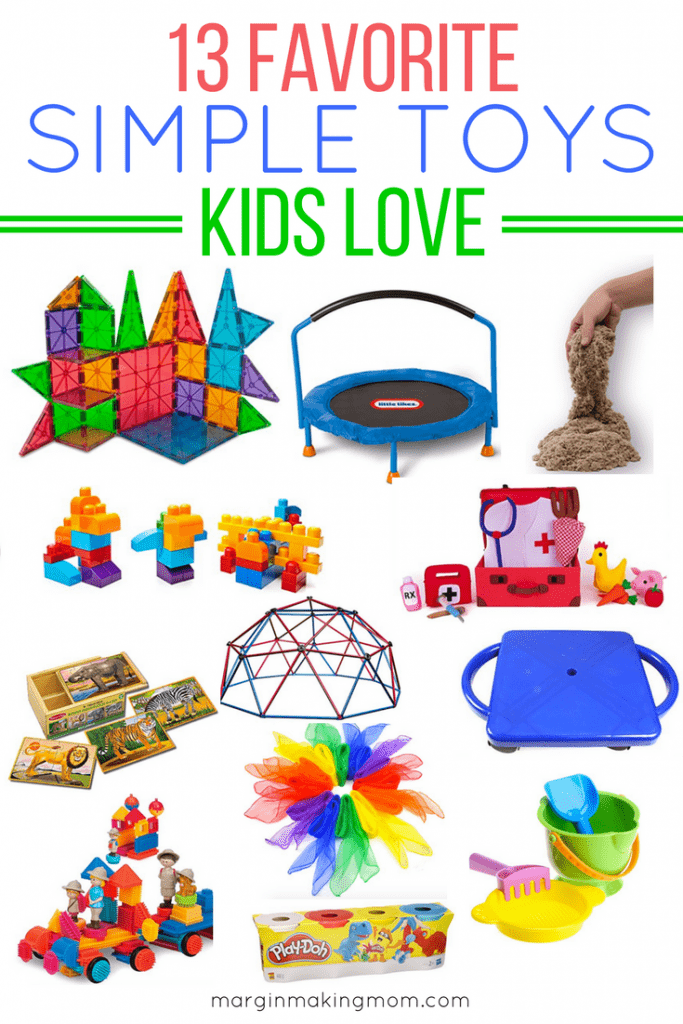
Simple toys have a special place in children’s hearts. They encourage creativity and imagination. Kids enjoy toys that let them explore and invent. Here are some popular examples of simple toys that children love.
Classic Wooden Toys
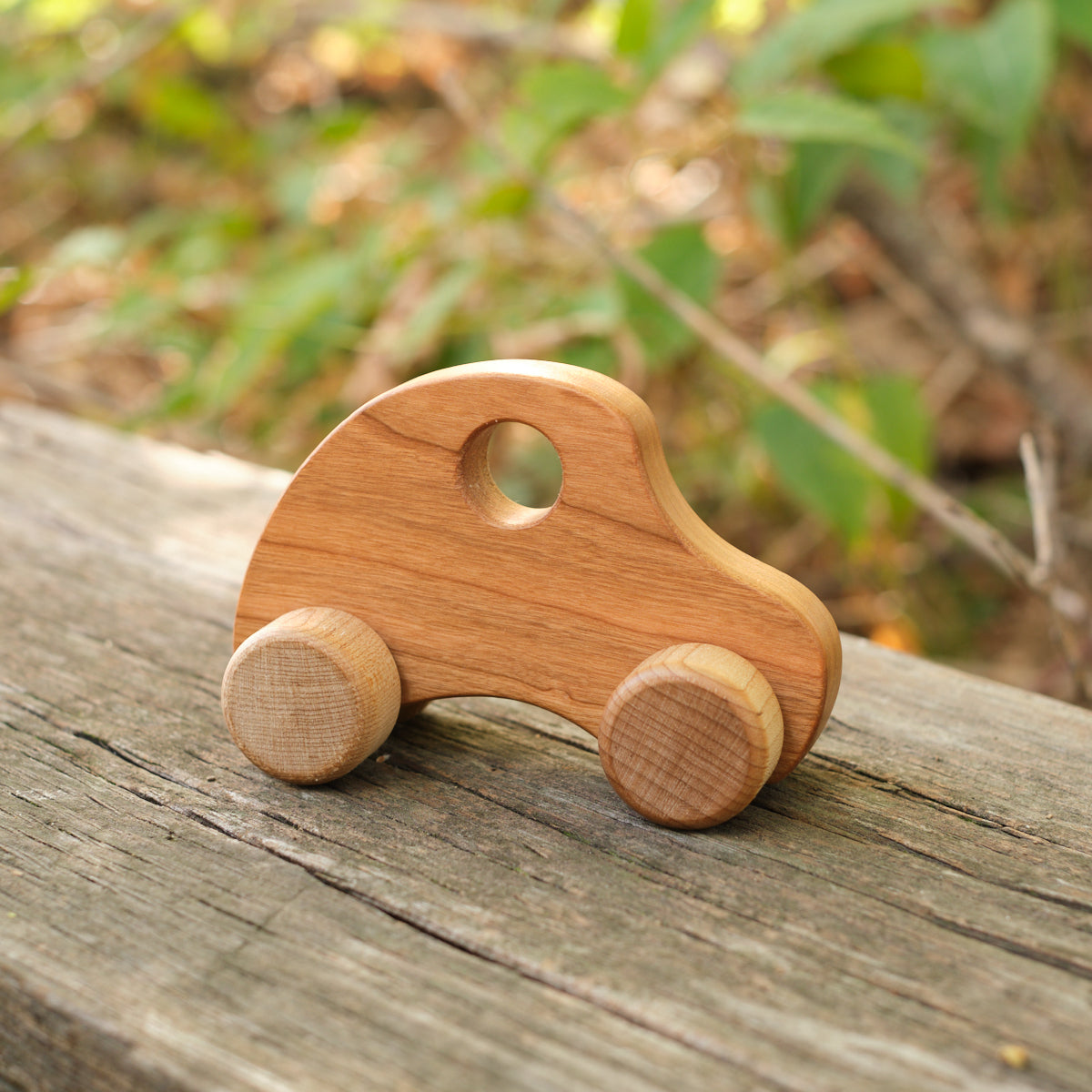
Wooden toys have been loved for generations. They are sturdy and safe for young kids. Shapes like cars, animals, and puzzles spark curiosity. Children can touch and move them easily. These toys help develop motor skills and hand-eye coordination.
Building Blocks
Building blocks are a timeless favorite. Kids stack, sort, and create different shapes. These toys encourage problem-solving and creativity. Children learn to plan and build with their hands. Blocks also help with understanding balance and space.
Art Supplies
Simple art supplies like crayons and paper inspire imagination. Kids love drawing, coloring, and painting freely. These activities boost fine motor skills and self-expression. Art supplies allow children to share their feelings visually. They offer endless possibilities without complex rules.

Credit: www.amazon.com
Frequently Asked Questions
Why Do Kids Choose Simple Toys Over Complex Ones?
Kids prefer simple toys because they are easier to use and spark creativity. Simple toys allow open-ended play, helping kids develop problem-solving skills and imagination without overwhelming them.
How Do Simple Toys Benefit Child Development?
Simple toys promote fine motor skills, cognitive growth, and social interaction. They encourage exploration and creativity, which are crucial for healthy mental and emotional development in children.
Are Simple Toys Safer For Young Children?
Yes, simple toys often have fewer small parts and less complicated mechanisms. This reduces choking hazards and makes them safer for young kids to play with independently.
Do Simple Toys Encourage More Imaginative Play?
Absolutely. Simple toys lack preset rules, allowing kids to invent their own games and stories. This kind of play boosts imagination and critical thinking skills effectively.
Conclusion
Simple toys spark creativity and joy in children. They help kids explore and learn at their own pace. These toys encourage imagination without overwhelming details. Kids enjoy toys they can easily understand and use. Simple toys also promote social play and sharing.
They last longer and stay interesting over time. Choosing simple toys supports healthy growth and fun. It’s clear why kids prefer toys that feel easy and free. Simple really is better for young minds.
