

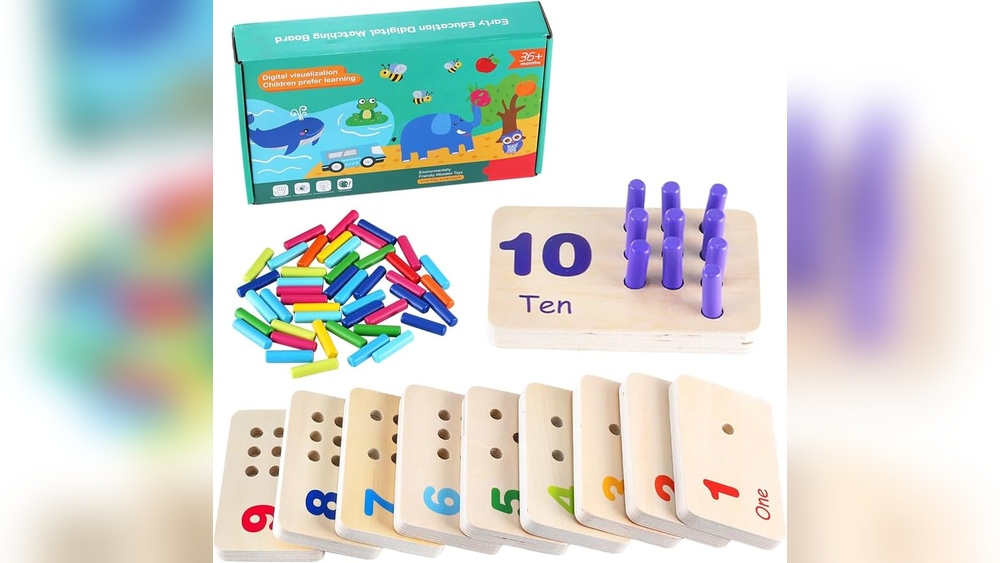
Have you ever wondered what truly grabs your child’s attention more: a colorful toy or a thrilling digital game? It’s a question many parents ask themselves when trying to find the perfect way to keep their kids happy and engaged.
You might think digital games have taken over, but what if traditional toys still hold a special place in your child’s heart? Understanding this can help you make smarter choices for your child’s playtime, boosting their creativity and happiness. Keep reading to discover surprising insights that could change how you look at play forever.
Credit: www.liberia.ubuy.com
Kids And Play Preferences
Children have different ways to enjoy their free time. Some prefer holding a toy in their hands. Others like playing on screens. Both traditional toys and digital games offer fun. Each has its own charm and appeal. Understanding what kids like helps parents choose better playtime options.
Play is important for learning and growth. Kids use toys and games to explore their world. Their preferences show what excites and interests them. These choices also change as they grow older.
Traditional Toys Appeal
Traditional toys are familiar and easy to use. They allow kids to touch and move objects. Toys like dolls, blocks, and cars spark imagination. Kids create stories and adventures with them. These toys encourage hands-on play and creativity. They also help improve motor skills and coordination.
Digital Games Attraction
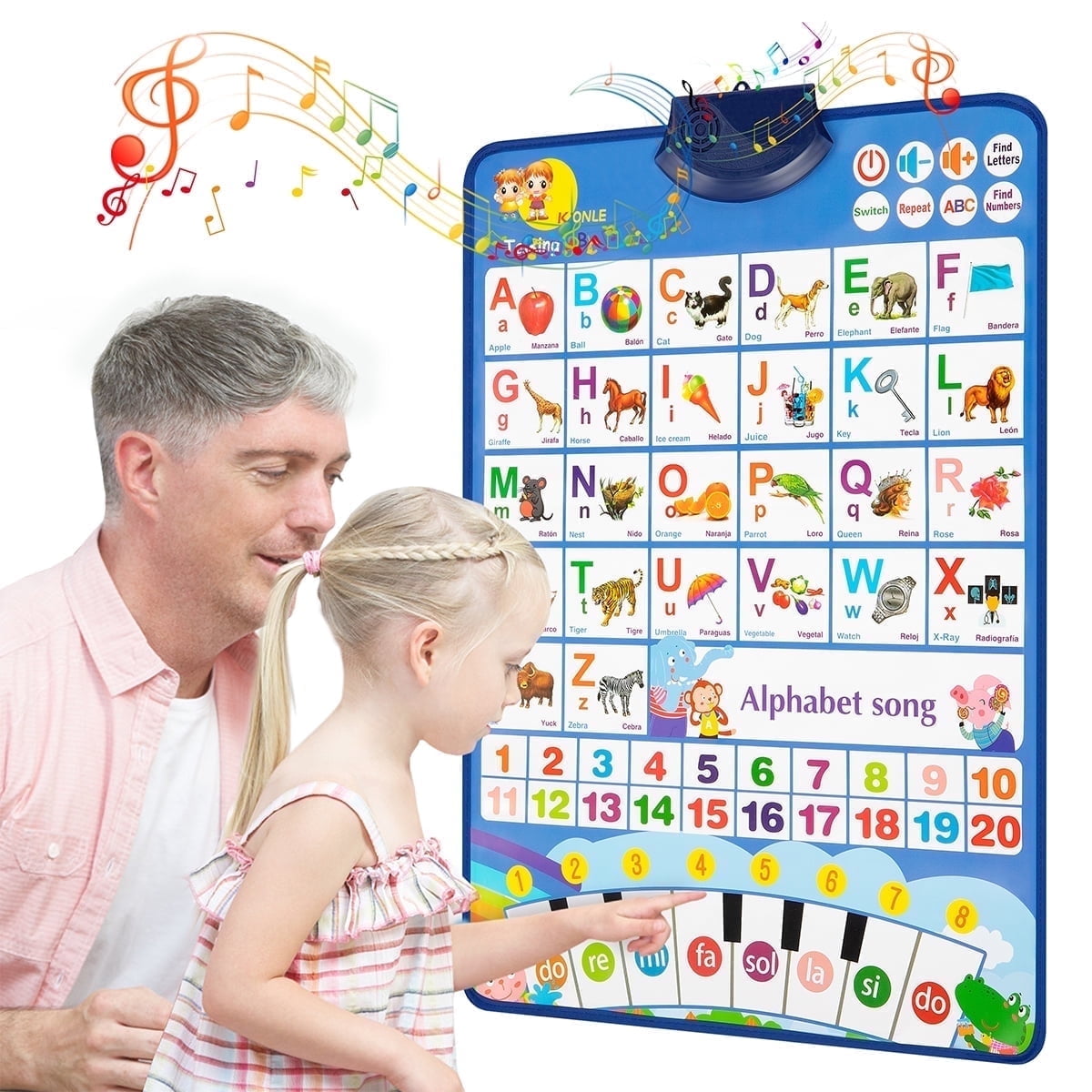
Digital games offer bright colors and sounds. They attract kids with challenges and rewards. Many games include stories that keep kids interested. These games can teach problem-solving and quick thinking. Kids enjoy competing and reaching new levels. Digital play also connects friends in virtual spaces.
Age-related Trends
Young children often prefer simple toys they can hold. Toddlers like plush toys and stacking blocks. As children grow, digital games become more popular. School-age kids enjoy interactive and skill-based games. Teenagers lean towards complex games with stories. Play preferences shift with age and skill level.

Credit: www.amazon.com
Factors Influencing Choices
Children’s preference for toys or digital games depends on many factors. These factors shape what kids find fun and interesting. Understanding these influences helps explain why some kids choose toys and others prefer digital games.
Each factor plays a role in guiding a child’s choice. Family, friends, and what is easy to get all matter.
Parental Influence
Parents guide their children’s playtime activities. They often set limits on screen time or encourage certain toys. Parents’ own habits also affect kids. Children tend to imitate what they see at home. When parents play with toys, kids want to join in. If parents use digital devices often, kids may prefer games.
Peer Impact
Friends have a strong influence on children’s choices. Kids like to share fun experiences with peers. If friends play with certain toys, others want the same. Digital games can spread quickly among friend groups. Playing the same games helps children connect and talk. Peer pressure can push kids toward popular toys or games.
Accessibility And Availability
What is easy to get affects what kids play with. Toys that are nearby and affordable attract children’s attention. Digital games require devices like tablets or phones. Not all children have access to these devices. Availability of internet and apps also matters. Toys can be used anywhere, while games need power and connection.
Benefits Of Toys
Toys offer many benefits that digital games cannot fully provide. They help children grow in different ways. Playing with toys can boost mental and physical skills. It also encourages kids to interact with others. These benefits support healthy development and fun at the same time.
Imagination And Creativity
Toys spark imagination and creativity in children. They create stories and explore new ideas. Building blocks, dolls, or action figures allow kids to invent worlds. This type of play strengthens problem-solving skills and thinking. Digital games often have set rules, limiting creative freedom.
Physical Activity
Toys encourage children to move and be active. Balls, jump ropes, and bikes help develop muscles and coordination. Physical play improves health and energy levels. Sitting for long hours on digital games can lead to inactivity. Toys promote exercise naturally through play.
Social Interaction
Toys bring kids together and help build social skills. Playing with friends or family teaches sharing and teamwork. Children learn to communicate and solve conflicts during play. Digital games can isolate kids or limit face-to-face contact. Toys create a space for real social connections.

Credit: www.pace.edu
Advantages Of Digital Games
Digital games offer many benefits for kids beyond just fun. They help children grow in different ways. These games can support learning and skill development. Kids often gain useful abilities while playing.
Cognitive Skills
Digital games improve memory and attention. They challenge kids to think quickly and clearly. Many games require focus on details and patterns. These activities boost brain function and mental sharpness. Playing regularly can strengthen these cognitive abilities.
Problem-solving Abilities
Games often present puzzles and challenges. Kids learn to find solutions step by step. They try different methods to succeed. This builds critical thinking and creativity. Such problem-solving skills are useful in school and life.
Technological Familiarity
Using digital games helps kids understand technology. They become comfortable with computers and devices. This knowledge is important in today’s digital world. Early exposure prepares children for future learning and work. It also encourages exploration and curiosity about tech.
Balancing Both Worlds
Finding a balance between toys and digital games is important for kids. Both offer different kinds of fun and learning. Too much screen time can tire the eyes and mind. Playing with toys helps develop hands-on skills and creativity. Parents can help children enjoy both worlds in a healthy way.
Combining Playtime
Mixing toys and digital games creates a rich playtime experience. Kids can switch from building blocks to a fun learning app. This change keeps their interest alive. It also helps them use different skills. Combining both types of play supports growth and happiness.
Setting Healthy Limits
Setting clear rules about playtime helps kids stay balanced. Limit screen time to prevent tiredness and poor sleep. Encourage breaks after 20-30 minutes of digital play. Make sure kids spend enough time playing with toys. Healthy limits keep playtime safe and fun.
Encouraging Variety
Offering many play options helps children explore and learn. Toys that involve movement, like balls or puzzles, are great. Digital games that teach numbers or letters add value. Variety stops boredom and boosts brain development. Kids enjoy more when they try different activities.
Future Of Play
The future of play is changing fast. Kids today have many ways to enjoy fun. Toys and digital games both compete for their attention. Understanding how play evolves helps us see what children like most.
Play is not just about fun. It helps kids learn and grow. The tools they use affect how they develop skills. The future holds new trends that blend old and new play styles.
Emerging Trends
Technology shapes how children play. Virtual reality and augmented reality bring new experiences. Kids explore worlds beyond their rooms. Smart toys connect to apps for interactive fun. These trends mix physical and digital play.
Hybrid Toys And Games
Hybrid play combines toys with digital features. A toy might link to a smartphone game. This mix keeps kids engaged longer. It offers hands-on play plus screen interaction. Hybrid play helps balance screen time and physical activity.
Impact On Child Development
Play affects thinking, creativity, and social skills. Digital games boost problem-solving and focus. Traditional toys improve fine motor skills and imagination. Hybrid play supports both mental and physical growth. Choosing the right play tools matters for healthy development.
Frequently Asked Questions
Do Kids Enjoy Traditional Toys More Than Digital Games?
Many kids enjoy both, but traditional toys offer hands-on creativity. Digital games provide interactive experiences. Preferences depend on age and interests.
How Do Toys And Digital Games Affect Child Development?
Toys enhance motor skills and imagination, while digital games improve problem-solving and hand-eye coordination. Balanced play supports overall growth.
Are Digital Games Replacing Physical Toys For Children?
Digital games are popular but haven’t fully replaced toys. Both coexist, offering diverse play options that cater to different developmental needs.
What Factors Influence Kids’ Preference For Toys Or Games?
Age, personality, parental guidance, and social environment affect preferences. Kids often choose based on fun, learning, and peer influence.
Conclusion
Kids enjoy both toys and digital games for different reasons. Toys help them use their hands and imagination more. Digital games offer bright colors and quick fun. Each child has their own choice based on what feels best. Parents can watch and guide to keep playtime healthy.
Balance is key to happy and active kids. Play is important for learning and growing every day. Both toys and games have a special place in childhood.
