

Have you ever wondered how something as simple as a toy can shape your child’s ability to connect with others? Toys are more than just fun distractions—they are powerful tools that help kids learn how to share, communicate, and build friendships.
When your child plays, they’re practicing important social skills without even realizing it. Keep reading to discover how the right toys can make a big difference in your child’s social growth and set them up for success in the real world.
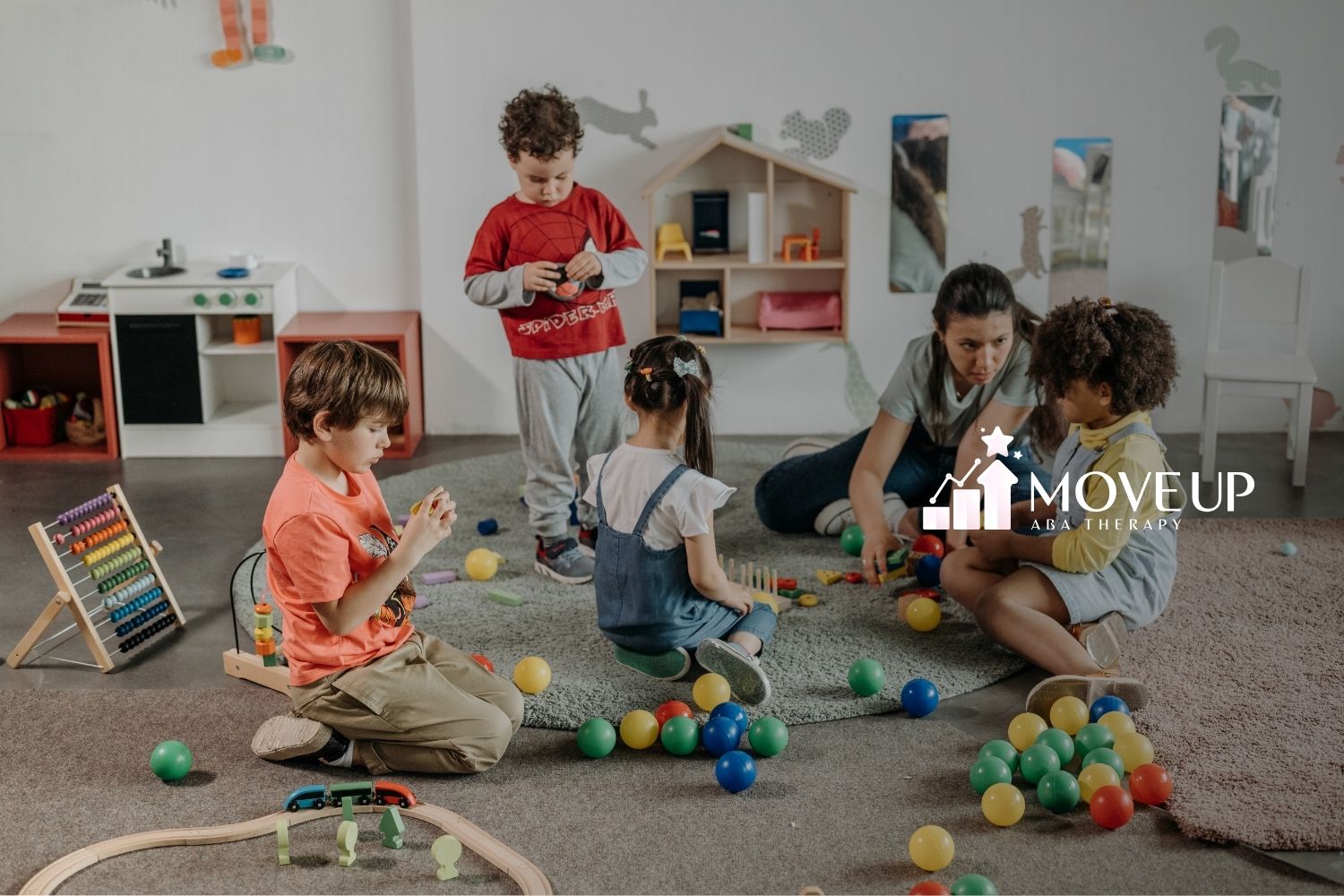
Credit: moveupaba.com
Role Of Toys In Social Growth
Toys play an important role in helping children grow socially. They offer a safe space for kids to practice how to talk, share, and work with others. Through play, children learn how to understand feelings and develop friendships. Toys help kids feel more confident around their peers. Social skills are built step by step during these play moments.
Children use toys to explore social roles and rules. They try out different ways to solve problems and cooperate. These experiences teach kids how to get along with others in real life. Toys act as bridges between children, opening doors to social growth.
Toys As Social Tools
Toys serve as tools that bring children together. Dolls, action figures, and building blocks encourage group play. Kids create stories and scenarios, practicing communication and teamwork. These social tools help children learn to listen and take turns. They also build empathy by imagining others’ feelings.
Using toys as social tools allows children to express themselves. This expression helps them connect with friends. Social skills grow stronger through repeated play with peers. The toys guide children in understanding social cues and rules.
Encouraging Interaction
Toys encourage children to interact in fun ways. Board games and puzzles promote cooperation and shared goals. Kids practice negotiating and problem-solving with others. These interactions are important for building trust and friendships.
Interactive toys help shy children open up. They provide a common focus that reduces social anxiety. Through play, children learn to express ideas clearly. Interaction around toys also teaches respect and patience.
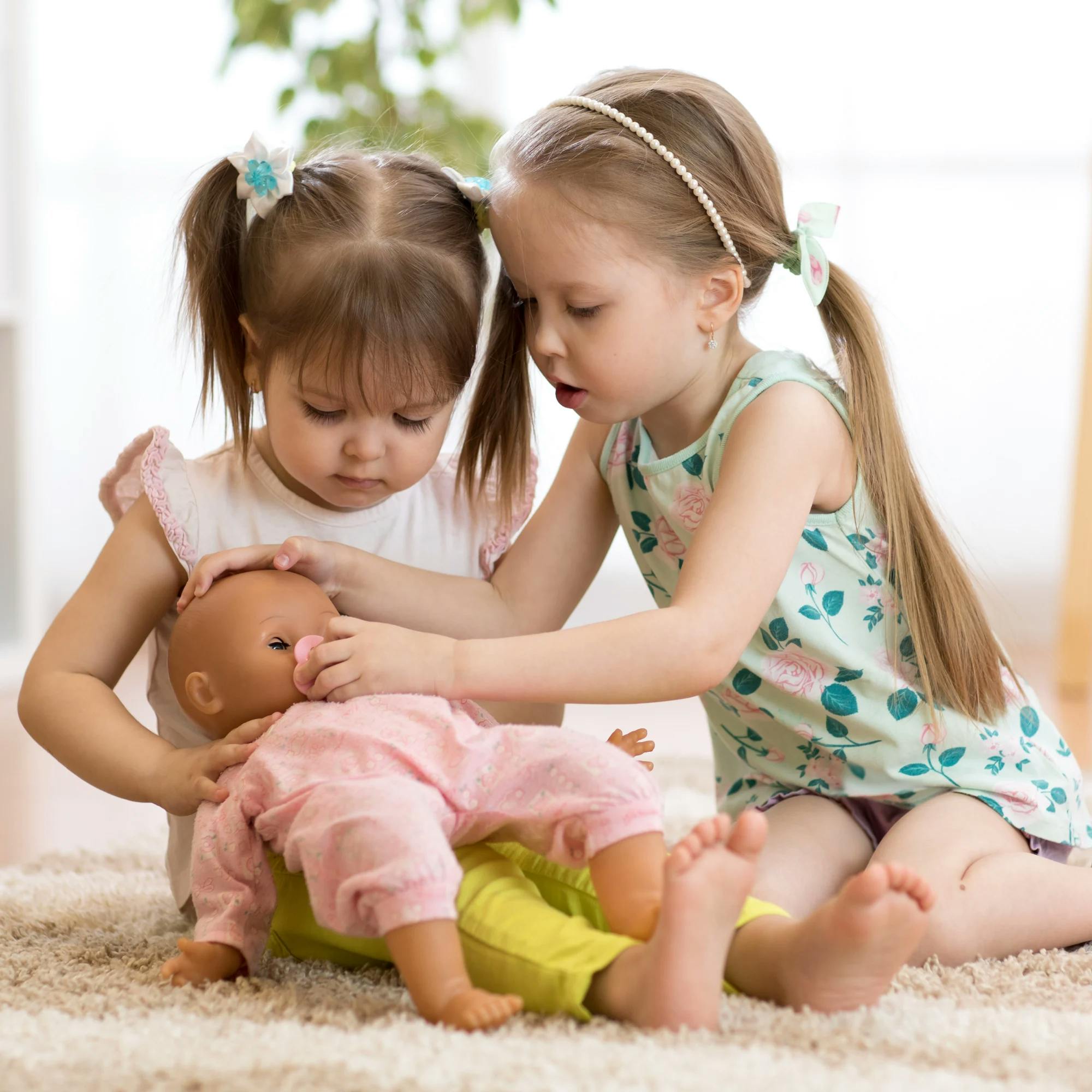
Credit: www.expressable.com
Building Confidence Through Play
Toys are more than fun objects. They help children build confidence. Through play, kids try new things. They learn about themselves and their abilities. Playing with toys gives children a safe space to explore. This exploration helps them feel proud and strong.
Mastering New Skills
Kids learn many skills by playing. Toys encourage creativity and problem-solving. Children practice hand-eye coordination and fine motor skills. Each success boosts their belief in themselves. Small achievements lead to bigger confidence. They try harder and enjoy challenges more.
Overcoming Challenges
Toys often present problems to solve. Puzzles, blocks, and building sets require focus. Kids face setbacks but learn to keep trying. Overcoming these challenges teaches patience and resilience. They realize mistakes are part of learning. This builds a positive attitude toward new tasks.
Types Of Toys That Promote Social Skills
Toys play a big role in helping kids learn how to get along with others. Different types of toys encourage children to share, talk, and work together. These toys make social skills fun and easy to practice.
Here are some popular types of toys that help kids build social skills. Each type teaches children how to interact in a positive way.
Collaborative Games
Collaborative games ask kids to work as a team. They share ideas and make group decisions. These games teach patience and listening skills. Kids learn to wait for their turn and respect others’ opinions. Playing together helps build friendships and trust.
Role-playing Sets
Role-playing sets let kids act out different jobs and situations. They pretend to be doctors, chefs, or teachers. This type of play helps kids understand feelings and social rules. Children practice talking and solving problems with others. Role-playing also boosts imagination and empathy.
Creative Building Blocks
Creative building blocks encourage teamwork and communication. Kids build structures together and share ideas. They learn to cooperate and negotiate roles. These blocks improve fine motor skills and creativity too. Working side by side helps children feel connected and confident.
Toys And Emotional Understanding
Toys play a big role in helping children understand emotions. They give kids a safe space to express feelings. Through play, children learn how others feel and react. This helps build strong emotional skills. Emotional understanding is key to good social interactions. Toys guide kids in recognizing and managing emotions.
Empathy Development
Playing with dolls or action figures helps children see different feelings. They imagine how characters feel in stories. This practice grows their empathy. Children learn to care about others’ feelings. Empathy helps kids connect and be kind. Toys encourage children to think beyond themselves.
Sharing And Taking Turns
Toys teach kids important social rules like sharing. Children learn patience by waiting for their turn. This builds respect for others. Sharing toys also teaches fairness. Playing together with toys helps kids solve conflicts peacefully. These lessons improve emotional understanding and friendships.
Boosting Friendships With Group Play
Group play with toys is a powerful way for kids to build friendships. Playing together helps children learn how to share and take turns. It creates chances to work together and solve problems. These moments teach kids how to connect and trust others. Toys bring children together, making social skills grow naturally.
Kids enjoy group activities that require teamwork and cooperation. These experiences build a strong foundation for lasting friendships. Through play, children discover how to listen and express their ideas clearly. Group play creates bonds that go beyond the playground.
Teamwork Activities
Teamwork activities with toys teach kids to work toward a common goal. Building blocks, puzzles, and board games encourage collaboration. Each child learns to contribute and respect others’ ideas. These activities develop patience and understanding. Children see how their actions affect the group’s success.
Playing as a team helps kids appreciate different strengths. They learn to support friends and solve challenges together. These lessons carry over to real-life friendships. Group play shows kids the value of cooperation and trust.
Communication Practice
Toys in group play boost communication skills. Kids talk, listen, and negotiate during playtime. They practice using words to share thoughts and feelings. Role-playing games help children understand others’ perspectives. Talking with friends builds confidence in social settings.
Clear communication prevents misunderstandings and conflicts. Kids learn to express needs kindly and listen carefully. These skills help children form closer friendships. Group play creates a safe space for practicing talking and listening.

Credit: bighearttoys.com
Parental Role In Toy-based Social Learning
Parents play a key role in helping children learn social skills through toys. Toys are more than just fun objects. They become tools that encourage talking, sharing, and teamwork.
Parents guide children in using toys to practice important social behaviors. This guidance shapes how kids interact with others and understand feelings.
Guided Playtime
Parents can join play sessions to steer social learning. They show children how to share toys and take turns.
Guided playtime helps children learn patience and cooperation. Parents can ask questions to make kids think about others’ feelings.
By playing together, parents model good social habits. Kids watch and copy these behaviors during their own play.
Encouraging Positive Interaction
Parents praise kind actions and teamwork during play. Positive feedback boosts a child’s confidence and desire to cooperate.
Encouraging words help children understand the value of friendliness. Parents can also help solve conflicts by teaching simple words to express feelings.
Setting clear rules about sharing and respect creates a safe play space. Kids learn to play fairly and enjoy social time with others.
Frequently Asked Questions
How Do Toys Improve Kids’ Social Skills?
Toys encourage sharing, cooperation, and communication among children. Playing with others helps kids learn empathy and teamwork. Role-playing toys develop conversation skills and emotional understanding. These interactions boost confidence and build meaningful friendships over time.
What Types Of Toys Promote Social Development?
Collaborative games, board games, and role-playing sets foster social skills. Building blocks and group activities also encourage teamwork and problem-solving. Toys that require turn-taking and communication enhance children’s social interactions effectively.
Can Toys Help Shy Children Socialize Better?
Yes, toys provide a comfortable setting for shy kids to engage. Playing with familiar toys reduces anxiety and encourages interaction. Gradually, kids build confidence and improve communication skills through shared play experiences.
Why Is Pretend Play Important For Social Growth?
Pretend play allows children to express emotions and practice social roles. It enhances imagination, empathy, and understanding of social cues. Role-playing scenarios help kids navigate real-life social situations with ease.
Conclusion
Toys play a key role in helping kids learn how to share and take turns. They encourage talking and working together with friends. Playing with others builds trust and confidence. Kids also learn to solve problems while having fun. Choosing the right toys can support social growth every day.
Parents and teachers can help by joining in playtime. Simple toys often lead to the best learning moments. Social skills gained through play last a lifetime. Let children enjoy play and watch their friendships grow.
