

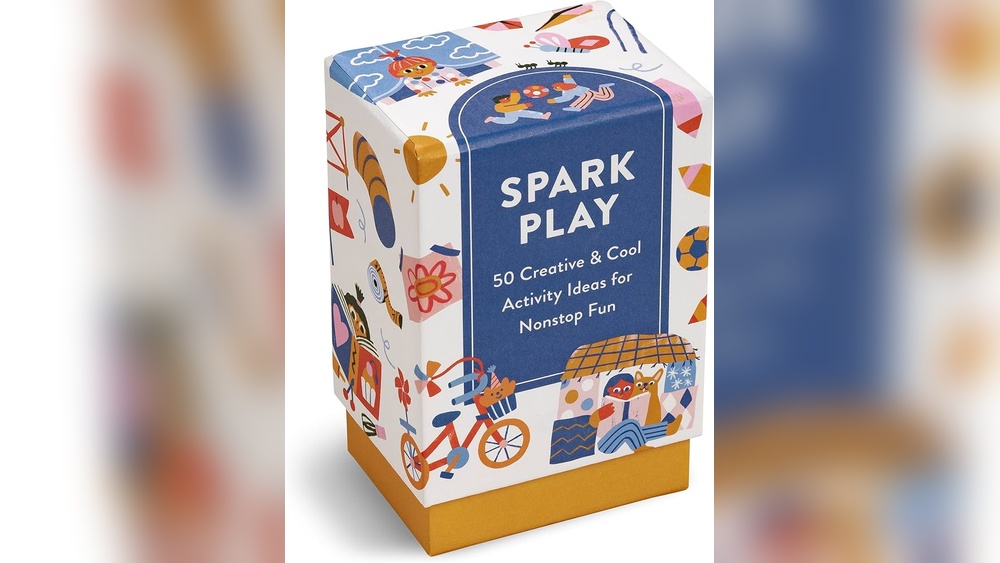
Have you ever noticed how a simple toy can capture your child’s attention for hours? Toys are not just for fun—they are powerful tools that help your kids explore new ideas and learn about the world around them.
When children play, they experiment, imagine, and solve problems without even realizing it. This natural curiosity sparks creativity and builds important skills that last a lifetime. You’ll discover how the right toys can unlock your child’s potential and make learning an exciting adventure.
Keep reading to find out how you can turn playtime into a powerful learning experience for your little ones.
Credit: www.rasmussen.edu
Role Of Toys In Child Development
Toys play a key role in child development. They help children explore new ideas and learn about the world. Through play, kids develop skills that support their growth. Toys encourage creativity, thinking, and emotions in many ways.
Stimulating Imagination
Toys spark a child’s imagination. Dolls, blocks, and action figures invite kids to create stories. Pretend play helps children picture different scenarios. This kind of play grows their creativity and problem-solving skills. Imaginative play also builds language and social skills.
Enhancing Cognitive Skills
Toys challenge a child’s brain. Puzzles and building sets teach logic and planning. Sorting toys improve memory and attention to detail. These activities help children think clearly and make decisions. Cognitive skills gained through play boost learning in school.
Boosting Emotional Growth
Toys help children understand feelings. Playing with dolls or stuffed animals teaches empathy. Role-playing allows kids to express emotions safely. This builds self-awareness and emotional control. Emotional growth from play supports healthy relationships later in life.
Credit: www.walmart.com
Types Of Toys That Inspire Creativity
Toys play a big role in helping kids explore new ideas. Certain types of toys encourage creativity and imagination. These toys let children build, create, and pretend. This kind of play helps their brains grow and learn new skills.
Different toys inspire creativity in unique ways. Some focus on building and shaping. Others let kids express themselves through art. Pretend play toys help children act out stories and roles. Each type supports creative thinking and problem-solving.
Building And Construction Sets
Building sets like blocks and LEGO bricks teach kids to build and design. Kids learn how parts fit together. They try new shapes and structures. This type of play improves spatial skills and planning. It also encourages kids to experiment and solve problems.
Art And Craft Supplies
Art supplies like crayons, paints, and clay allow children to create freely. They can draw, paint, or mold objects. This helps kids express feelings and ideas. Crafting improves fine motor skills and hand-eye coordination. It encourages imagination without limits.
Role-playing And Pretend Play
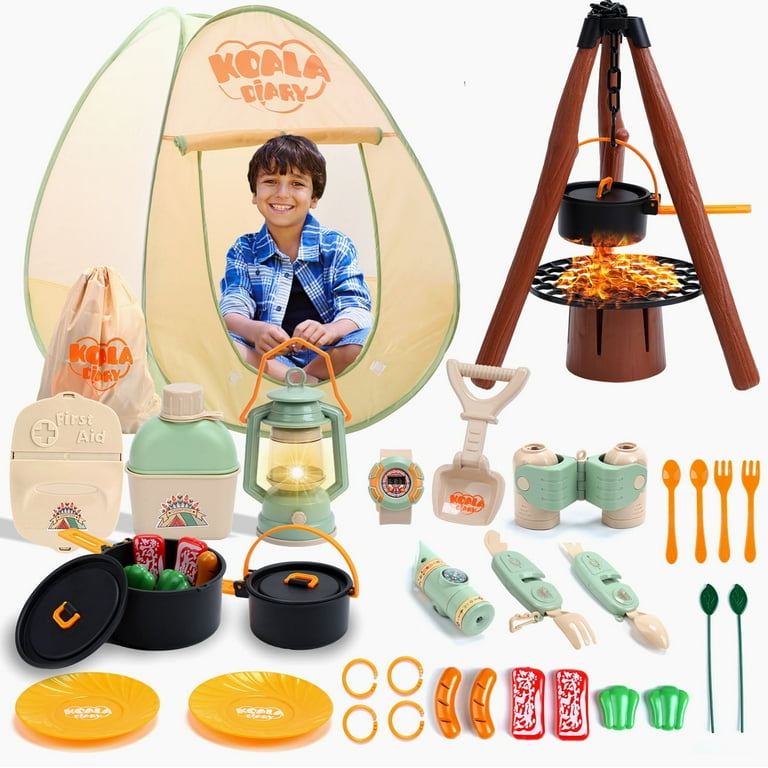
Pretend play toys include costumes, dolls, and play kitchens. Kids act out different roles and stories. This kind of play builds social skills and empathy. It also helps children explore real-life situations safely. Role-playing sparks creativity through imagination and storytelling.
Toys As Tools For Problem Solving
Toys play a big role in helping kids solve problems. They are not just for fun. Toys teach kids how to think and find answers. Problem-solving skills start with simple toys. These toys challenge kids to try different ways to fix a problem.
Through play, children learn to focus and think clearly. They test ideas and see what works best. Toys build patience and creativity. Kids understand cause and effect better. These skills help in school and daily life.
Puzzles And Brain Teasers
Puzzles are great for developing problem-solving skills. Kids learn to see the whole picture. They find how pieces fit together. This helps improve memory and attention to detail. Brain teasers push kids to think in new ways. These toys encourage patience and persistence. Solving puzzles gives a sense of achievement.
Stem-focused Toys
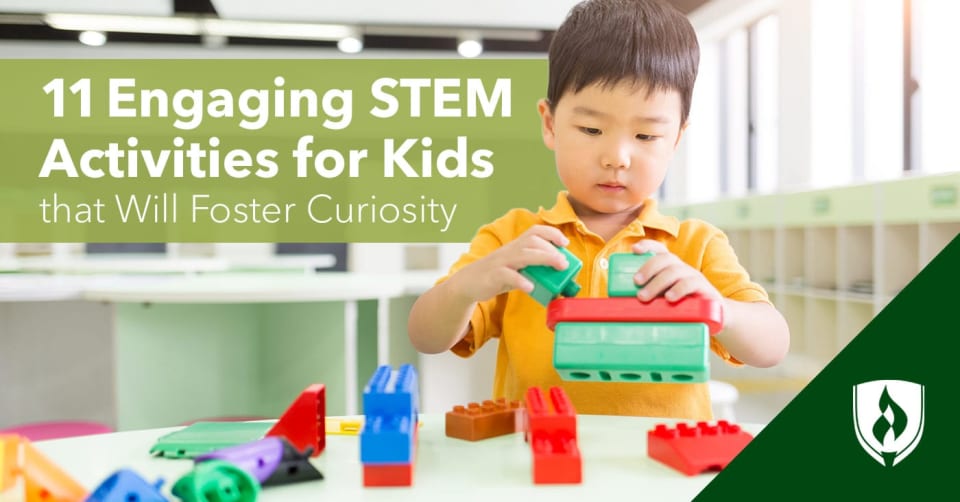
STEM toys introduce kids to science and math. They use building blocks, circuits, and experiments. Kids learn to plan and test ideas. STEM toys teach cause and effect clearly. They help kids learn from mistakes. These toys make learning fun and hands-on. Kids grow their logic and reasoning skills.
Interactive Learning Games
Interactive games offer active problem-solving practice. Kids face challenges that need quick thinking. These games teach decision-making in a safe space. They adapt to each child’s skill level. Interactive games improve focus and strategy. Kids also learn to handle success and failure. These toys make problem-solving exciting and real.
Encouraging Social Skills Through Play
Toys play a big role in helping children learn social skills. Playing with others teaches sharing, teamwork, and understanding feelings. These skills build strong friendships and help kids work well with others.
Social play also encourages talking and listening. Children practice using words and understanding others. This helps them feel confident in social situations and express their ideas clearly.
Collaborative Games
Collaborative games require kids to work together toward a goal. These games teach cooperation and problem-solving. Children learn to listen, take turns, and support each other. Working as a team builds trust and respect among players.
Sharing And Communication
Playing with toys helps children practice sharing. They learn to wait for their turn and use polite words. Sharing toys also encourages talking and explaining ideas. This improves their communication skills and patience with others.
Developing Empathy
Toys often create situations where children understand others’ feelings. Role-playing with dolls or action figures helps kids see different viewpoints. This practice grows empathy, making children kinder and more caring toward friends.
Choosing The Right Toys For Learning
Choosing the right toys for learning helps children grow and explore ideas. The right toy sparks creativity and curiosity. It supports skills like problem-solving and teamwork. Parents and teachers play a key role in picking these toys.
Age-appropriate Selections
Toys should match a child’s age and skills. Younger kids need simple toys with big parts. Older children enjoy puzzles and building sets. Age-appropriate toys keep kids safe and interested. They help children learn without feeling frustrated.
Safety Considerations
Safety is the top priority when choosing toys. Check for non-toxic materials and sturdy design. Avoid small parts for children under three years. Look for safety labels and certifications. Safe toys protect children from harm and accidents.
Balancing Fun And Education
Toys should be both fun and educational. A toy that is boring will not hold attention. Learning happens best when children enjoy themselves. Mix creative, active, and quiet toys for variety. This balance helps children learn new ideas naturally.

Credit: www.amazon.com
Parental Role In Creative Play
Parents play a key role in their child’s creative play. Toys help kids try new ideas and solve problems. But children need some help from adults to grow their creativity. Parents guide without taking control. They encourage kids to explore and ask questions. They also create a space where kids feel free to play and learn.
Guiding Without Controlling
Parents should watch and listen more than direct. Let children lead their play. Offer ideas only when asked or needed. This helps kids think on their own. Avoid fixing problems too fast. Allow kids to find their own solutions. This builds confidence and creative thinking.
Encouraging Exploration
Encourage children to try different toys and games. Praise their efforts, not just results. Ask open questions to spark thinking. For example, “What else can this toy do?” Show interest in their ideas. This keeps them curious and willing to explore more.
Creating A Stimulating Environment
Set up a play area with various toys and materials. Include colors, shapes, and textures. Change toys regularly to keep interest. A quiet, safe space helps kids focus. Let children make a little mess. This freedom supports creative play and learning.
Frequently Asked Questions
How Do Toys Stimulate Creativity In Children?
Toys encourage kids to imagine and build new worlds. They provide tools for problem-solving and experimenting with ideas. This boosts creative thinking and innovation from an early age.
What Types Of Toys Best Help Idea Exploration?
Open-ended toys like blocks, art supplies, and puzzles are ideal. They allow children to create freely and explore concepts without limits. These toys promote critical thinking and curiosity.
Can Toys Improve Cognitive Development In Kids?
Yes, toys enhance memory, attention, and reasoning skills. Interactive and educational toys challenge the brain and support learning. This strengthens cognitive abilities through playful experiences.
How Do Toys Support Social Learning And Teamwork?
Group play with toys teaches sharing, communication, and cooperation. Kids learn to negotiate and solve conflicts during play. These social skills are vital for personal growth.
Conclusion
Toys inspire kids to think and imagine new ideas. They help children learn by doing and exploring. Playing with toys builds creativity and problem-solving skills. Kids discover how things work through hands-on play. Toys also encourage sharing and talking with others.
They make learning fun and exciting every day. Giving kids the right toys supports their growth. Simple play can spark big thoughts and dreams. Toys open doors to endless possibilities for children. Let kids play and watch their ideas grow strong.
